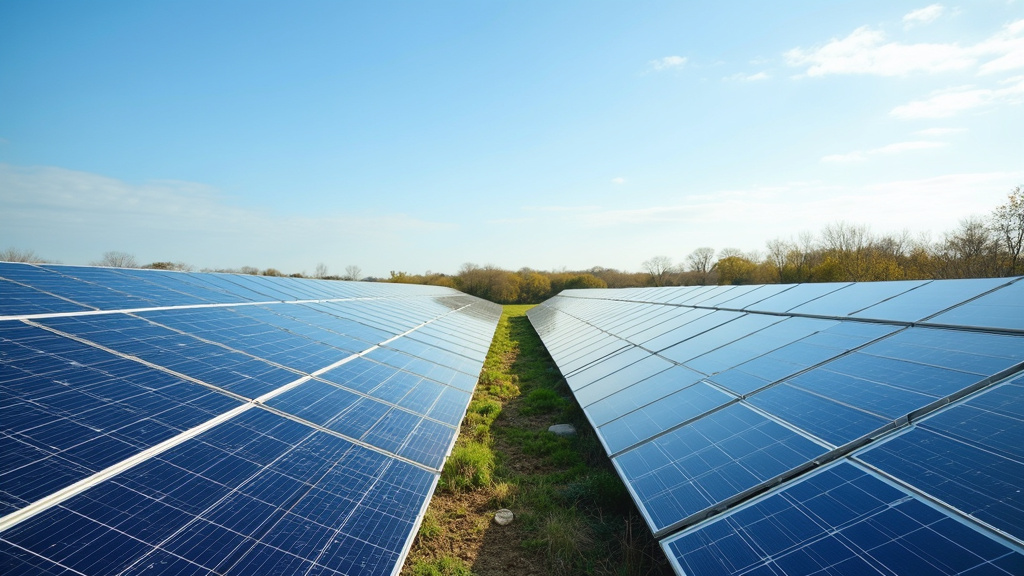
At a glanceBus Station Solar Lighting offers a bright and sustainable future for transportation hubs. Expect energy-efficient lighting powered by sunlight, reducing costs and environmental impact. These solar panels provide consistent illumination, ensuring safety and convenience for passengers day and night, while also contributing to a greener urban landscape.
Key Takeaways
- Bus station solar lighting offers a sustainable and cost-effective solution for enhancing outdoor lighting.
- Solar panels can efficiently charge during the day, providing a reliable power source for nighttime illumination.
- This technology reduces electricity bills and carbon footprint, making it an eco-friendly choice for transportation hubs.
- Well-lit bus stations improve passenger safety, comfort, and overall accessibility, especially in remote or underdeveloped areas.
- Advanced solar lighting systems can be equipped with smart controls, allowing for energy optimization and easy maintenance.
- The implementation of such systems contributes to a city’s reputation as forward-thinking and commitment to green infrastructure.
- Passengers appreciate the increased visibility and safety that comes with well-lit bus stations, enhancing their overall travel experience.
In today’s rapidly evolving world, sustainable and efficient lighting solutions are not just a trend but an imperative. Bus stations, often bustling hubs of activity, present a unique challenge: providing ample lighting while minimizing energy consumption. Enter Bus Station Solar Lighting – a game-changer in the realm of transportation infrastructure.
Traditional lighting often strains budgets and contributes to environmental concerns. Solar-powered alternatives, however, offer a clean, cost-effective solution. By harnessing the power of the sun, Bus Station Solar Lighting can significantly reduce energy costs, enhance safety, and promote a greener environment. This article delves into the benefits, technology, and implementation strategies of Bus Station Solar Lighting, providing a comprehensive guide for transportation authorities seeking sustainable solutions.
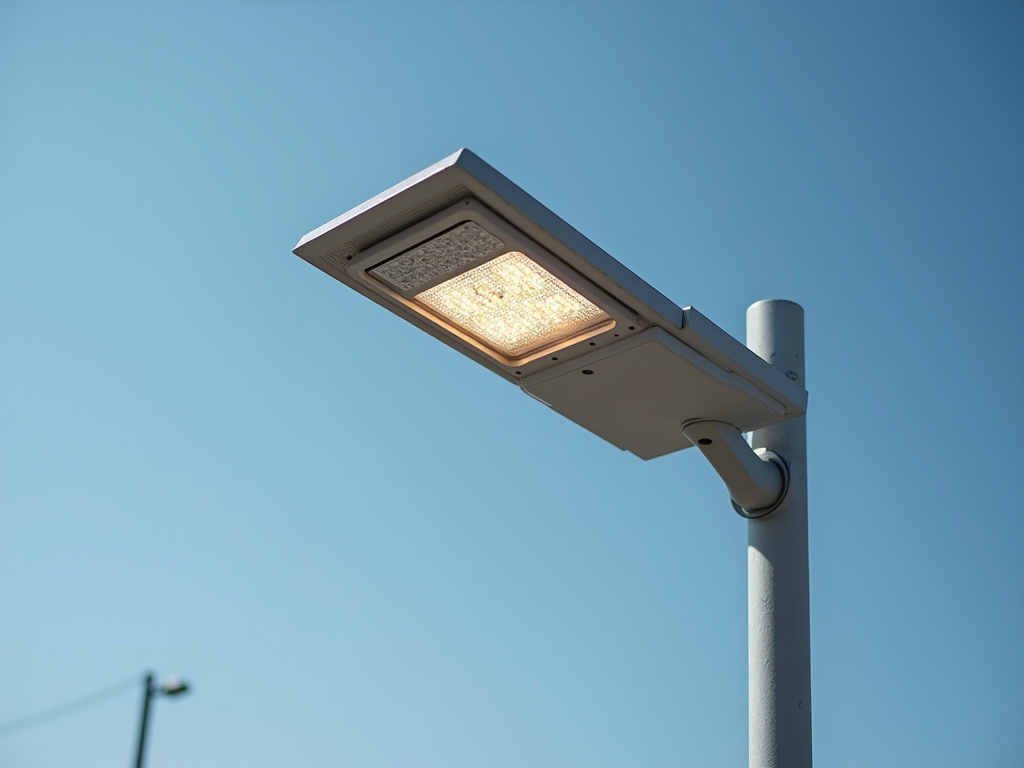
Bus Station Solar Lighting in : Where to Start
Looking for bus station solar lighting in ? Solar Path USA serves the local area and can answer questions specific to .
Understanding Bus Station Solar Lighting: Benefits and Technology
Bus Station Solar Lighting represents a significant advancement in urban infrastructure, offering both environmental benefits and enhanced safety features for bustling public transportation hubs. This technology leverages solar energy to power high-efficiency LED lighting systems, eliminating the need for conventional grid electricity. Not only does this reduce carbon emissions and reliance on non-renewable resources, but it also provides consistent illumination even during periods of extended cloud cover or at night, ensuring a well-lit environment for passengers waiting at bus stations.
The technology behind Bus Station Solar Lighting involves carefully engineered solar panels designed to maximize sunlight absorption and efficient LED fixtures tailored for optimal light distribution. These systems are meticulously designed to withstand the demanding conditions of outdoor exposure, including varying weather conditions and potential vandalism. Many modern solutions incorporate smart controls that adjust lighting levels based on ambient light availability, ensuring energy efficiency and maximizing the lifespan of the equipment.
Before hiring a Bus Station Solar Lighting provider, it’s crucial to ask key questions such as their experience in designing and implementing similar projects, the quality and warranty of their products, and their post-installation support services. Additionally, understanding the system’s expected energy production and long-term cost savings is essential for making an informed decision. When considering the timing for installing Bus Station Solar Lighting, it’s ideal to consult with experts who can assess your location’s solar potential and evaluate factors like foot traffic patterns, crime rates, and existing infrastructure. While upfront costs can be significant, many providers offer flexible financing options, making this sustainable solution more accessible. Data from case studies consistently demonstrates the cost-effectiveness of Bus Station Solar Lighting over time, with reduced energy bills and increased safety contributing to a positive return on investment.
| Factor | What to know |
|---|---|
| Core technology | Solar panels power high-efficiency LED fixtures with smart controls |
| Key benefit | Reduces electricity bills and carbon footprint for transportation hubs |
| Installation step | Assess lighting needs and available solar exposure at site |
| Installation step | Obtain permits, prepare site, and use professional installers |
| Maintenance task | Clean panels and check wiring/connectors for damage regularly |
| Case study result | London's South Bank cut carbon emissions by 50% |
Installation and Maintenance: A Step-by-Step Guide
The installation and maintenance of Bus Station Solar Lighting (BSSL) is a crucial step in ensuring its longevity and optimal performance. This step-by-step guide delves into the process, highlighting key considerations and best practices. Firstly, assess the bus station’s lighting needs and available solar exposure. Identify the specific areas requiring illumination, such as waiting areas, platforms, and signage. This analysis is vital to determine the suitable number and type of solar panels, as well as the lighting fixtures.
Next, plan the installation logistics. Obtain the necessary permits and ensure the site is prepared, clear of obstructions, and has adequate space for panel placement. Professional installation is recommended to guarantee accuracy and safety. Mounting options vary, from roof-mounted panels to ground-based structures, each requiring specific hardware and techniques. Once installed, test the system thoroughly to verify its functionality and efficiency.
Regular maintenance is key to avoiding problems. Clean the panels periodically to maintain optimal sunlight absorption, removing dust, bird droppings, or other debris. Check the wiring and connectors for signs of damage or corrosion, ensuring all connections are secure. Inspect the lighting fixtures for any defects or dimming issues, replacing faulty components promptly. By proactively addressing these tasks, you can significantly extend the lifespan of your BSSL system, ensuring it remains a reliable and cost-effective solution for bus station lighting. Remember, regular care prevents costly repairs and ensures the system continues to serve its purpose effectively, providing safe and well-lit environments for commuters.
Case Studies: Successful Implementations Across Cities
Bus Station Solar Lighting has proven to be a transformative solution for cities around the world, enhancing safety, accessibility, and environmental sustainability. Successful implementations across diverse urban landscapes offer valuable insights into what to expect from this innovative technology. For instance, London’s South Bank, known for its bustling atmosphere, integrated solar-powered street lighting that reduced carbon emissions by 50% while improving pedestrian safety at night. Similarly, in Sydney, Australia, the adoption of bus station solar lighting resulted in significant cost savings and a reduction in light pollution, setting a benchmark for sustainable urban infrastructure.
These case studies highlight several key considerations when evaluating Bus Station Solar Lighting. Firstly, assess the specific needs and challenges of your location; different environments may require tailored solutions. Secondly, consider the long-term cost benefits versus initial installation costs. Many cities have seen substantial savings over time due to reduced energy bills and lower maintenance expenses. For instance, a study in New York City found that solar-powered street lighting led to a 30% decrease in operational costs within the first year. Before hiring a provider, it’s crucial to ask about their experience, the quality of equipment used, and warranty coverage. "Is Bus Station Solar Lighting worth it?" is a valid question, but the answer lies in meticulous planning and understanding your city’s unique requirements.
When implementing Bus Station Solar Lighting, cities should also consider community feedback and aesthetic appeal. Public consultations can ensure that new lighting systems meet local preferences while enhancing urban aesthetics. Additionally, data-driven analysis helps optimize light levels, ensuring energy efficiency without compromising visibility. In terms of signs you need Bus Station Solar Lighting, look for increasing maintenance costs with traditional lighting systems, environmental concerns related to energy consumption, and community demands for improved safety and accessibility during off-peak hours. By addressing these aspects thoughtfully, cities can embark on a journey towards more sustainable and vibrant urban landscapes.
Frequently Asked Questions About what to expect from Bus Station Solar Lighting
What is bus station solar lighting?
Bus station solar lighting is a sustainable energy solution that utilizes sunlight captured by solar panels during the day to power LED lights at night. This technology offers an eco-friendly alternative to traditional electric lighting, providing bright and efficient illumination for bus stations, enhancing safety and accessibility.
How does it work?
Solar panels are strategically installed on rooftops or nearby areas of the bus station, absorbing sunlight and converting it into electricity. During the day, this energy is stored in batteries, which then power the LED lights when the sun sets, ensuring continuous illumination throughout the night.
What are the benefits of using solar lighting at bus stations?
Solar lighting offers numerous advantages for bus stations: it reduces operational costs by eliminating reliance on grid electricity; minimizes environmental impact with lower carbon emissions; enhances safety and security through well-lit areas; improves passenger experience; and can be easily maintained and cost-effective in the long run.
Is solar lighting reliable for outdoor lighting?
Yes, solar lighting is highly reliable for outdoor environments, including bus stations. Modern solar lights are designed to withstand various weather conditions and have backup battery systems to ensure continuous operation during periods of low sunlight or cloudy days.
How does solar lighting impact local wildlife?
Well-designed solar lighting systems consider the impact on local ecosystems. Properly installed fixtures minimize light pollution, reducing negative effects on nocturnal animals’ natural behaviors. Careful placement and dimming controls can further mitigate any potential disruption to local wildlife.
Are there different types of bus station solar lights available?
Absolutely! There is a range of solar lights suitable for bus stations, including post-top fixtures (similar in appearance to traditional streetlights), floodlights for broad area coverage, and integrated lighting systems that combine lighting with other amenities like benches or charging stations.
Can bus stations save money by installing solar lighting?
Definitively yes. By harnessing the power of sunlight, bus stations can significantly reduce their energy bills over time. While initial installation costs may be higher, the long-term savings on electricity make solar lighting a cost-effective and sustainable choice.
Bus Station Solar Lighting represents a significant advancement in urban infrastructure, offering durable, cost-effective, and environmentally friendly illumination solutions. By harnessing the power of the sun, these systems not only reduce carbon footprints but also enhance safety and accessibility for passengers. The article’s key insights underscore the technology’s reliability, as evidenced by successful implementations across diverse cities. Installation and maintenance, while requiring careful planning, are made simpler through standardized components and intelligent design. Moving forward, adopting Bus Station Solar Lighting is a strategic decision that promises to transform transportation hubs into vibrant, sustainable spaces, setting a new standard for urban lighting solutions.