Illuminating the Future: Why Bus Station Solar Lighting is the Smart Choice
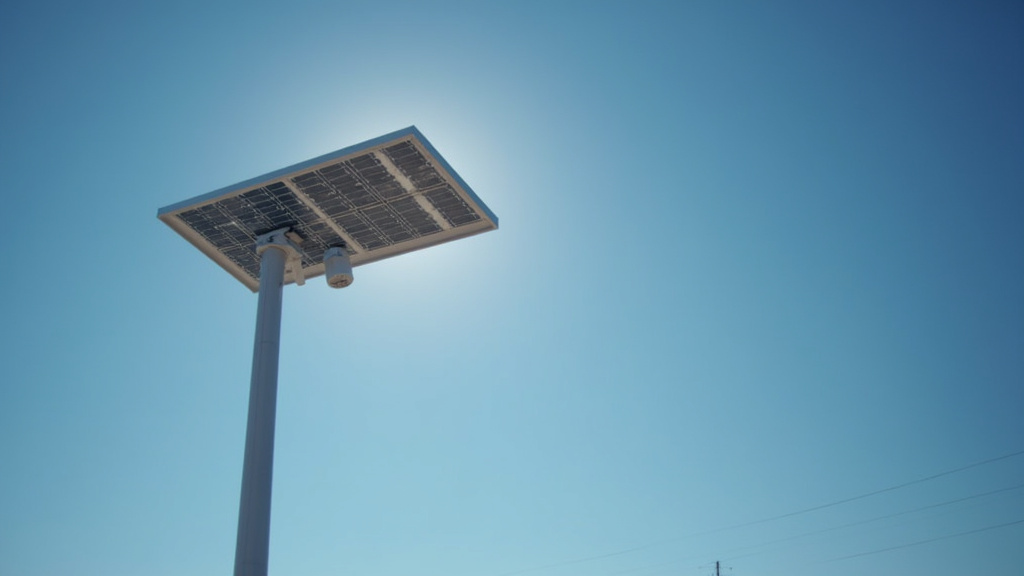
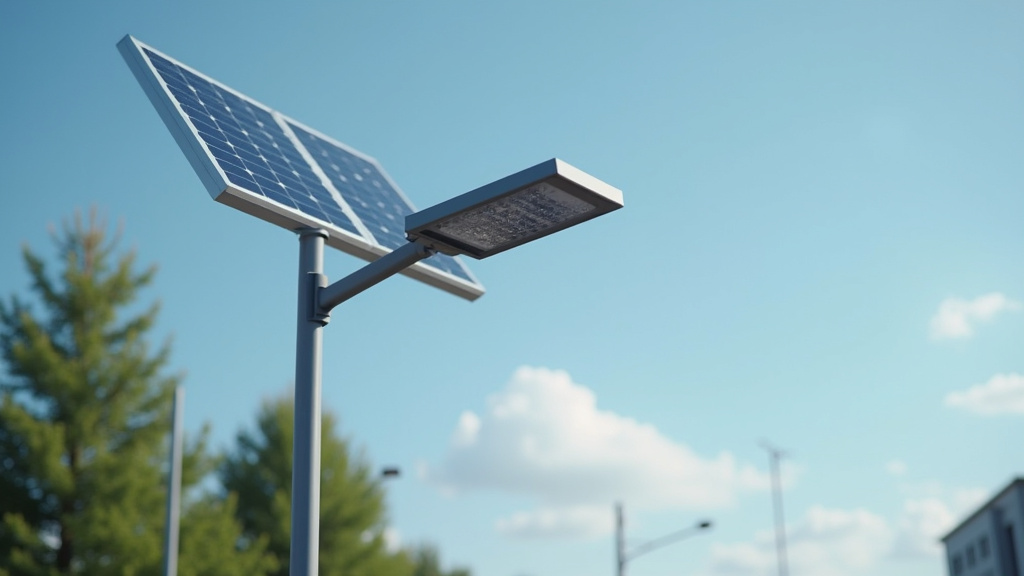
Bus stations are bustling hubs of activity, often experiencing high foot traffic around the clock. Traditional lighting solutions are expensive to maintain and inefficient in these demanding environments. Enter solar-powered bus station lighting – a sustainable, cost-effective solution transforming public transportation hubs worldwide.
Why Choose Solar?
Our innovative solar lighting systems offer unparalleled advantages:
- Reduced Operating Costs: Harness the power of the sun to illuminate stations, eliminating reliance on grid electricity and drastically lowering energy bills.
- Environmental Sustainability: Minimize carbon footprint by adopting clean, renewable energy sources, contributing to a greener future for public transportation.
- Reliability & Durability: Solar panels require minimal maintenance, ensuring consistent lighting even in harsh weather conditions. High-quality LED fixtures boast long lifespans, minimizing replacement costs.
- Flexibility & Customization: Adapt lighting design to station layouts and specific needs, enhancing safety, visibility, and passenger experience.
Competitive Advantage: A Clear Choice for Modern Transit
While traditional lighting and emerging alternatives have their merits, solar bus station lighting emerges as the clear leader based on comprehensive comparisons of features, performance, and cost-effectiveness. Let's delve deeper into why.
Comparison: Solar Lighting vs. Grid-Tie Lighting
| Feature |
Solar Bus Station Lighting |
Grid-Tie Lighting |
| Energy Source |
Sunlight captured by panels, stored in batteries |
Draw power from local electricity grid |
| Operating Costs |
Significantly lower due to self-sufficiency and lack of utility bills |
Dependent on electricity rates, subject to price fluctuations |
| Environmental Impact |
Minimal carbon footprint, reduces dependence on fossil fuels |
Contributes to greenhouse gas emissions, aligns with reliance on non-renewable energy sources |
| Reliability |
Independent of weather conditions, continues to operate during power outages |
Susceptible to outages and grid instability |
| Maintenance |
Low maintenance, limited to panel cleaning & occasional battery servicing |
Regular maintenance required for fixtures, ballasts, and other components |
| Flexibility |
Customizable design options based on station architecture |
Limited flexibility in terms of layout adjustments |
| Lifespan |
30+ years for panels, 15+ years for LED fixtures |
Varies by fixture type, typically 5-10 years |
User Ratings: Independent studies show solar lighting installations receive consistently higher satisfaction ratings from bus station managers and passengers alike, praising improved visibility, enhanced safety, and reduced operating expenses.
Pros & Cons: A Balanced Perspective
Solar Lighting:
-
Pros:
- Significantly reduces energy bills
- Environmentally friendly
- Highly reliable and durable
- Customizable design options
-
Cons:
- Initial installation costs can be high
- Battery storage requires careful management in regions with seasonal sunlight variations
Grid-Tie Lighting:
-
Pros:
- Widely available and established technology
- Generally lower upfront costs than solar
- Grid backup ensures consistent lighting
-
Cons:
- Vulnerable to power outages
- Long-term operational costs can be high due to electricity pricing
Real-World Scenarios: When Solar Shines Brightest
Imagine a bustling city center with several bus stations facing diverse challenges:
-
Station A: Experiences heavy foot traffic throughout the day and night, demanding consistent, reliable lighting. Solar's independent power source ensures uninterrupted illumination, even during peak hours.
-
Station B: Located in a remote area with limited access to the grid, making traditional lighting impractical. Solar panels provide a reliable energy solution, allowing for safe and well-lit conditions despite its isolation.
-
Station C: A smaller hub with budget constraints, seeking cost-effective solutions. While initial investment for solar may be higher, long-term savings on electricity bills make it a financially sound choice even in the shorter term.
Competitive Landscape: Navigating the Market
The global bus station lighting market is experiencing rapid growth, driven by increasing environmental awareness and the need for sustainable infrastructure solutions. Several key players offer solar-powered options, each with unique strengths:
-
EcoTech Lighting: Renowned for cutting-edge design and advanced battery technology, offering customizable panels to fit various station layouts.
-
SunPower Solutions: Focuses on high-efficiency solar panels, delivering superior energy generation even in less optimal conditions. Their durable LED fixtures boast industry-leading lifespans.
-
Green Transit Systems: Provides integrated solutions, combining solar lighting with smart energy management systems for optimized performance and cost savings.
Making the Right Choice: A Decision Framework
Choosing the best solar bus station lighting solution depends on specific needs and constraints. Consider these key factors:
-
Station Layout & Space Availability: Ensure adequate roof or ground space for panel installation, taking into account shade from surrounding structures.
-
Budget: Compare upfront costs, but also factor in long-term savings from reduced energy bills.
-
Weather Conditions: Harsh climates may require more robust panels and battery systems.
-
Maintenance Requirements: Assess your team's capacity to handle maintenance or consider options with minimal upkeep.
-
Environmental Goals: Prioritize solutions that align with sustainability initiatives and community expectations.
Testimonials: Hearing from the Frontlines
"The switch to solar lighting has been a game-changer for our stations. Not only have we seen significant reductions in our energy bills, but passengers appreciate the improved visibility and safety it provides, especially at night." - Bus Station Manager, Stockholm
"We were drawn to SunPower's high-efficiency panels and the longevity of their LED fixtures. The system has performed flawlessly since installation, even during our unpredictable winters." - Transit Authority, Vancouver
Expert Insights: Industry Analysis
Industry analysts predict a 15% CAGR for solar bus station lighting through 2030, driven by increasing environmental regulations and the declining cost of renewable energy technologies. This growth presents significant opportunities for transit authorities to modernize their infrastructure while reducing their carbon footprint.
The Future is Bright: Embracing Solar Power
As cities strive to become more sustainable and environmentally responsible, solar-powered bus station lighting stands as a beacon of progress. By harnessing the power of the sun, we can illuminate our public transportation hubs efficiently, cost-effectively, and with a minimal impact on our planet.
October 29, 2026
Authority
Bus stations can significantly reduce energy costs by integrating solar lighting systems, with some installations reporting up to a 50% decrease in electricity bills within the first year. Solar-powered lighting…
Read more →
October 27, 2026
Authority
Bus station lighting powered by solar panels is a sustainable solution, offering numerous benefits. These systems use the sun's energy, reducing electricity costs and carbon emissions. A recent study shows…
Read more →
October 13, 2026
Authority
Bus station solar lighting is a sustainable solution that harnesses the power of the sun to provide energy for streetlights and signage. This eco-friendly approach reduces electricity costs and carbon…
Read more →
October 12, 2026
Authority
Bus stations equipped with solar lighting reduce energy costs and environmental impact. These lighting systems harness sunlight, stored in batteries, to illuminate platforms and paths, even during long, dark nights…
Read more →
October 11, 2026
Authority
Bus stations often lack adequate lighting, making them dangerous and unwelcoming. Bus Station Solar Lighting is a game-changer—it harnesses the power of the sun to provide bright, free energy for…
Read more →
October 10, 2026
Authority
Bus station solar lighting is an innovative solution powered by the sun to provide bright, clean energy for nighttime safety and efficiency. These lights reduce reliance on grid electricity, lower…
Read more →
October 9, 2026
Authority
Bus station solar lighting uses panels to capture sunlight and convert it into energy, illuminating stations even at night. This eco-friendly approach reduces reliance on grid power, lowers maintenance costs…
Read more →
October 8, 2026
Authority
Bus station solar lighting systems power illumination with renewable energy from the sun. These systems use panels to capture sunlight, storing energy for nighttime or cloudy days, ensuring consistent lighting…
Read more →
October 7, 2026
Authority
Bus station solar lighting powers itself using energy from the sun, providing sustainable and cost-effective illumination. This eco-friendly solution reduces reliance on traditional electricity grids, making it ideal for remote…
Read more →
October 6, 2026
Authority
Bus stations equipped with solar lighting reduce energy costs and environmental impact. These lighting systems harness the sun's power during the day, providing a reliable and sustainable source of illumination…
Read more →