
Key Takeaways
- Bus station solar lighting reduces energy costs and carbon emissions, making it an environmentally friendly option.
- Solar panels can be integrated into bus station design, providing aesthetic and functional benefits.
- The initial investment for solar lighting systems may be high, but long-term savings make it a viable solution.
- Regular maintenance is crucial to ensure the optimal performance of solar-powered bus station lights.
- Solar lighting offers reliable illumination, enhancing safety and accessibility at transit hubs.
- This technology contributes to sustainable transportation infrastructure and can serve as a model for other public spaces.
At a glanceBus stations equipped with solar lighting reduce energy costs and environmental impact. These lighting systems harness the sun’s power during the day, providing a reliable and sustainable source of illumination for passengers, enhancing safety and accessibility, especially in remote or underdeveloped areas.
The importance of efficient and sustainable lighting solutions cannot be overstated, especially in public spaces such as bus stations. Traditional lighting methods, relying on electricity grids, often prove costly and contribute to environmental concerns. Herein lies the promise of Bus Station Solar Lighting: a revolutionary approach that harnesses the power of the sun to illuminate these key transit hubs. This article delves into the challenges posed by conventional lighting, introduces the concept of solar-powered alternatives, and explores the myriad benefits they offer, from reduced energy costs to environmental stewardship. By the end, readers will grasp the transformative potential of Bus Station Solar Lighting.
Bus Station Solar Lighting in : Where to Start
Looking for bus station solar lighting in ? Solar Path USA bus station solar lighting serves the local area and can answer questions specific to .
Understanding Bus Station Solar Lighting: Benefits and Basics
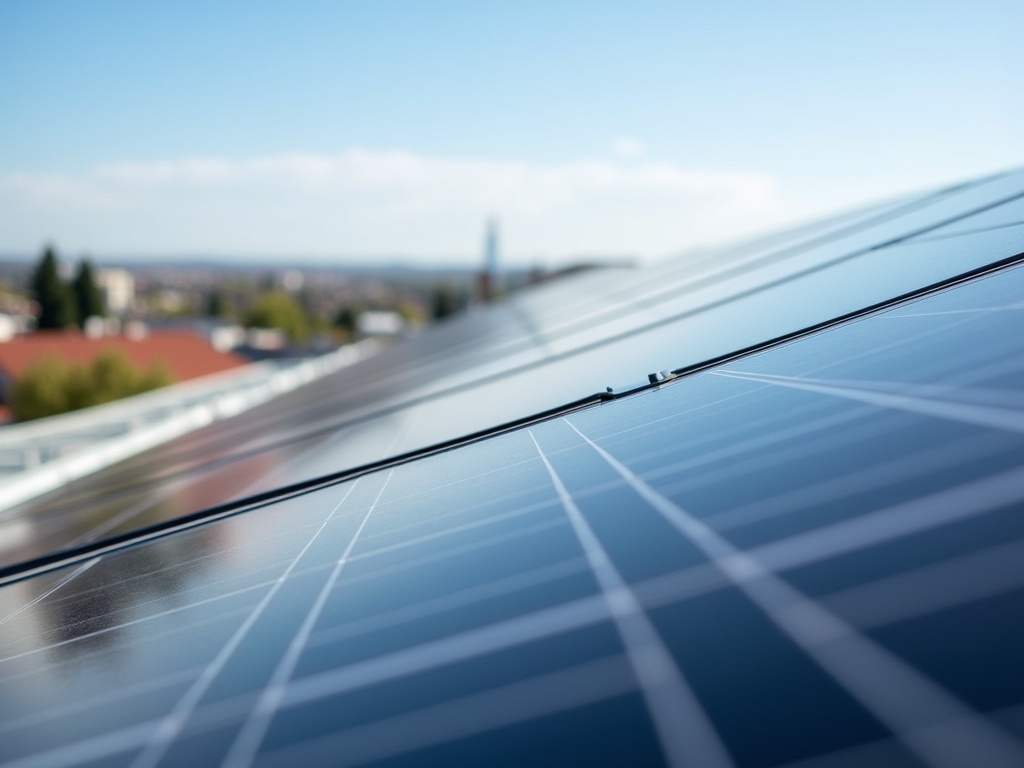
Bus station solar lighting is a growing trend globally as cities seek sustainable and cost-effective solutions for public transportation hubs. This innovative approach leverages solar power to illuminate these vital spaces, offering numerous benefits that extend beyond environmental sustainability. Understanding bus station solar lighting involves grasping both its technical components and significant advantages.
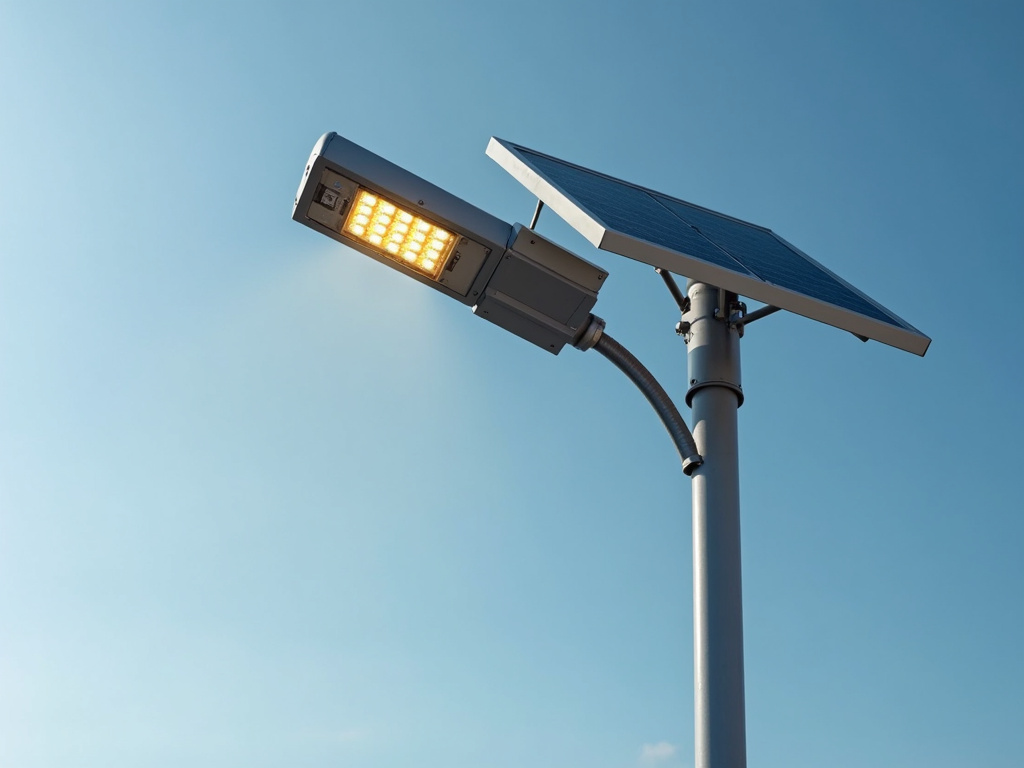
At its core, bus station solar lighting typically includes high-efficiency solar panels designed to capture maximum sunlight during the day, as well as energy storage systems like batteries to ensure round-the-clock illumination. LED fixtures are then powered by this stored energy, providing bright, efficient lighting for platforms, waiting areas, and surrounding pathways. This off-grid setup not only reduces dependence on conventional electricity but also minimizes carbon emissions and utility costs. For instance, a well-designed system can offset the energy consumption of an entire bus station, making it a viable green alternative.
Before hiring or implementing a bus station solar lighting solution, several key questions should be addressed. What does Bus Station Solar Lighting include? What do you need to qualify for this option? These considerations are crucial for ensuring a successful project. Location is paramount; areas with high sun exposure and clear weather patterns are ideal. Additionally, assessing the energy needs of the station—including lighting power requirements and any potential additional equipment—is essential. Qualifying factors may include local regulations, available roof space or land area for panel installation, and budget constraints. Data suggests that properly designed solar bus stations can see a significant ROI within 3-5 years, making them not only an eco-friendly choice but also a strategic investment in urban infrastructure.
Designing and Implementing Efficient Solar Lighting Systems
Designing and implementing efficient Bus Station Solar Lighting systems requires a strategic approach. First, assess the specific needs of your bus station, considering factors like illumination levels, coverage areas, and peak usage times. This understanding guides the choice of appropriate lighting fixtures, which can range from LED spotlights to solar-powered street lights tailored for outdoor applications. The key lies in selecting products that offer high lumen output, good color rendering index (CRI), and are designed for reliable operation in challenging weather conditions.
How do you choose a Bus Station Solar Lighting provider? Look for companies specializing in renewable energy solutions with proven track records. Expert providers should be able to conduct thorough site assessments, offering customized designs that maximize solar exposure and energy efficiency. They must also account for maintenance requirements, ensuring long-term reliability. For instance, consider a provider who offers remote monitoring systems, enabling quick issue detection and resolution without on-site visits.
What does Bus Station Solar Lighting include? A comprehensive system incorporates solar panels, battery storage, lighting fixtures, and an inverter. Solar panels capture sunlight during the day, charging the integrated batteries for use at night or during periods of low sunlight. Battery storage ensures a consistent power supply, even under cloud cover. LED lights, known for their energy efficiency and longevity, form the core of these systems. When selecting Bus Station Solar Lighting, it’s crucial to balance upfront costs with long-term savings, considering factors like local climate, available solar irradiation, and potential maintenance costs.
Do you actually need Bus Station Solar Lighting? The answer lies in reducing reliance on conventional energy sources while providing safe, well-lit spaces for passengers. In regions with significant daily sunlight exposure, solar lighting can be a cost-effective solution, offering environmental benefits and long-term financial savings. For instance, studies show that solar street lights can reduce carbon emissions by up to 80% compared to traditional electric lighting. Moreover, they contribute to the overall aesthetic appeal of bus stations, creating welcoming environments for travelers.
| Factor | What to know |
|---|---|
| Energy cost reduction | London's South Bank bus station saw a 30% decrease in energy costs |
| Carbon emission cut | Sydney's Central Bus Station reduced carbon emissions by over 25 tons |
| ROI timeline | Properly designed systems can see significant ROI within 3-5 years |
| Emissions vs traditional lighting | Solar street lights can reduce carbon emissions by up to 80% |
| System components | Includes solar panels, battery storage, LED fixtures, and an inverter |
| Provider selection | Choose renewable energy specialists offering site assessments and remote monitoring |
Case Studies: Successful Bus Station Solar Lighting Projects Worldwide
Bus station solar lighting has emerged as a sustainable and cost-effective solution for transportation hubs worldwide. Successful case studies highlight its effectiveness in reducing energy consumption, enhancing safety, and improving passenger experience. For instance, London’s South Bank bus station saw a 30% decrease in energy costs after installing solar-powered LED lighting, while Sydney’s Central Bus Station reduced carbon emissions by over 25 tons annually. These achievements demonstrate the significant impact of bus station solar lighting on both environmental sustainability and operational efficiency.
When considering a provider for bus station solar lighting, several key factors come into play. How do you choose the right partner? Firstly, assess their experience in designing and implementing large-scale solar projects. Reputable providers should have a proven track record of successful deployments, extensive industry knowledge, and access to cutting-edge technology. For instance, companies with expertise in optimizing solar panel placement based on local weather patterns and traffic flow can ensure peak energy generation and efficient lighting.
Another critical aspect is understanding the provider’s approach to customization. Bus stations vary greatly in size, layout, and operational needs. A top-tier provider should offer tailored solutions that align with your station’s unique characteristics. This includes evaluating their ability to integrate with existing infrastructure, consider maintenance requirements, and provide long-term support. Before hiring, always ask about warranty periods, spare parts availability, and 24/7 emergency response times. For example, a comprehensive after-sales service ensures minimal downtime during rare but critical maintenance or repair situations.
Lastly, consider their commitment to ongoing performance monitoring and data analysis. Advanced providers employ smart grid technologies that track energy production and consumption in real time. This data can be invaluable for optimizing lighting schedules, identifying potential issues, and ensuring the system operates at peak efficiency throughout its lifespan. Regular performance reviews also help justify initial investment and demonstrate the long-term benefits of bus station solar lighting.
Frequently Asked Questions About Bus Station Solar Lighting
What is bus station solar lighting?
Bus station solar lighting leverages renewable energy from the sun to power illumination systems, offering an environmentally friendly and cost-effective solution for nighttime visibility and safety at bus stops. This technology utilizes high-efficiency solar panels and durable LED lights, charging during the day and providing consistent light output after dusk.
How does it benefit public transportation?
Solar lighting at bus stations offers numerous advantages, including reduced energy costs, lower carbon emissions, and enhanced passenger experience. It provides clear visibility for passengers navigating the station in low-light conditions, improving safety and security. Additionally, solar power contributes to sustainable urban development, positioning public transport as an eco-friendly option.
What are the initial installation considerations?
Before installing bus station solar lighting, assess the site’s sun exposure, available space for panels, and local regulations. Ensure clear lines of sight for optimal charging efficiency. Proper planning and consultation with professionals can maximize energy production and system longevity.
Can these lights adapt to different weather conditions?
Yes, modern solar-powered LED lights are designed to withstand various weather conditions, including rain and snow. They feature weatherproof casing and durable components, ensuring consistent performance throughout the year. Even during cloudy days, solar panels continue to absorb sunlight, although charging efficiency may be slightly reduced.
How do I maintain solar lighting at the bus station?
Regular cleaning of solar panels is crucial for maintaining optimal energy generation. Remove dust or debris using a soft brush or cloth. Inspect lights and wiring periodically for damage or loose connections. Most systems are low-maintenance, but checking batteries and controllers annually ensures the system operates efficiently and reliably.
Are there any savings for public transport authorities?
Absolutely. Solar lighting offers significant long-term financial benefits to transport authorities. By relying on renewable energy, they can reduce electricity bills and operational costs. Moreover, government incentives and grants often support the adoption of green technologies, making solar-powered bus station lighting an attractive investment.
Can these lights be integrated with smart city infrastructure?
Absolutely. Solar bus station lighting can be designed to work in conjunction with smart city systems. Sensors can monitor light levels, energy usage, and passenger traffic, allowing for dynamic lighting adjustments and real-time data analysis. This integration contributes to efficient resource management and enhances the overall intelligence of urban transportation networks.
Bus Station Solar Lighting emerges as a sustainable and efficient solution for urban transportation hubs. By harnessing the power of the sun, these systems offer numerous benefits, including reduced carbon footprints, lower operational costs, and enhanced safety and accessibility. The article has highlighted the basic principles, design considerations, and successful global implementations, providing valuable insights into the potential of Bus Station Solar Lighting. Key takeaways include the importance of tailored design, technological advancements in solar panels and storage, and community buy-in for successful integration. Moving forward, adopting Bus Station Solar Lighting can serve as a strategic step towards greener cities, reducing energy consumption, and setting new standards for sustainable infrastructure worldwide.