
At a glanceBus station solar lighting harnesses the power of the sun to illuminate these often-busy locations. Panels are typically installed on rooftops or nearby open areas, capturing sunlight during the day. This clean energy is then converted into electricity, providing a sustainable and cost-effective solution for night-time lighting. Many stations benefit from this technology, improving safety and accessibility for passengers.
Key Takeaways
- Solar-powered lighting at bus stations offers a sustainable and cost-effective solution, reducing energy consumption and maintenance needs.
- The implementation of solar lighting systems can significantly decrease carbon emissions, contributing to a greener environment.
- Initial investment costs can be offset by long-term savings, making solar lighting a financially viable option for transportation hubs.
- Bus station lighting can be designed to meet specific safety and accessibility standards, enhancing passenger experience.
- Integrating solar panels with existing infrastructure requires careful planning and collaboration between transport authorities and energy providers.
- Regular maintenance and cleaning of solar panels ensure optimal energy generation and prolong the lifespan of the system.
- Community engagement and awareness campaigns can promote the adoption of solar energy, fostering a more sustainable future.
Bus station solar lighting is transforming urban transportation hubs, offering a sustainable and cost-effective alternative to traditional lighting. However, the shift to renewable energy faces challenges, including upfront costs and regulatory hurdles. This article explores how advanced technologies, supportive policy frameworks, and innovative client solutions are driving the adoption of bus station solar lighting. We’ll examine case studies, community impact, and the latest advancements, providing valuable insights for transport authorities and city planners seeking to brighten their urban landscapes with clean, efficient lighting.
Bus Station Solar Lighting: Where to Start
Looking for bus station solar lighting? Solar Path USA can answer your questions directly.
- Planning and Design for Bus Station Solar Lighting
- Installation: Step-by-Step Guide to Bus Station Solar Lighting
- Maintenance and Benefits of Bus Station Solar Lighting
Planning and Design for Bus Station Solar Lighting
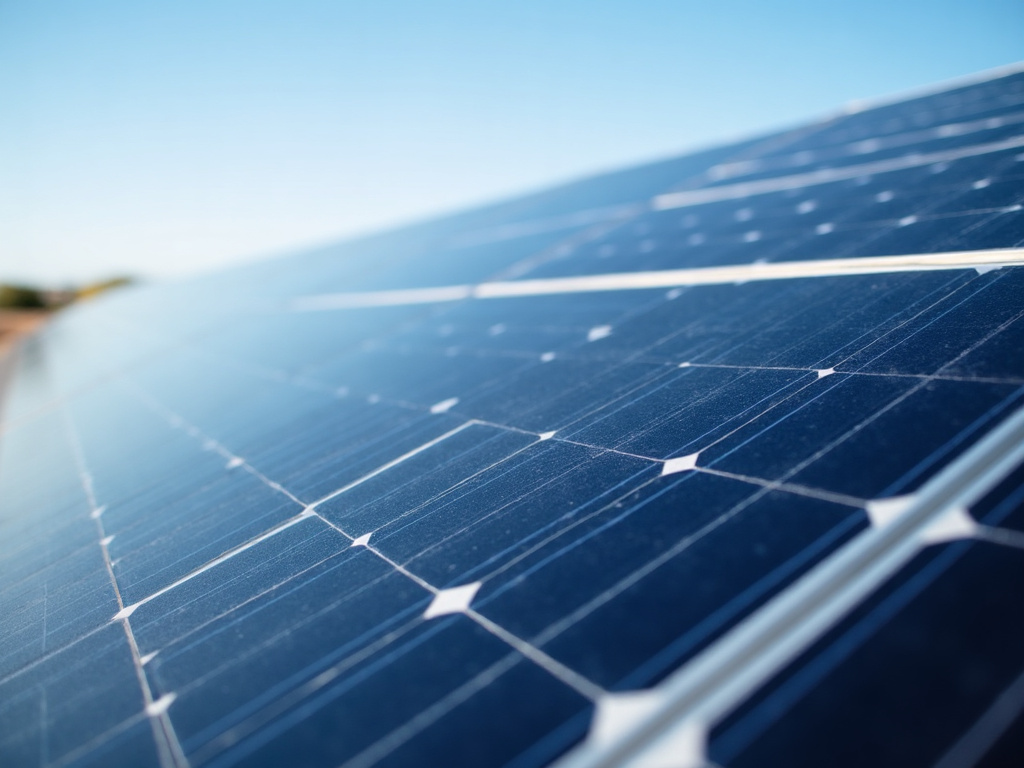
Planning and design for bus station solar lighting involves a multifaceted approach, considering both technological advancements and community needs. To qualify for projects like these, key stakeholders must understand the scope and benefits of bus station solar lighting. This includes recognizing that it encompasses not only the installation of solar panels but also integrating efficient lighting solutions tailored to the station’s layout and traffic patterns. TransLink (Transport Authority) in our region has successfully implemented solar-powered lighting, enhancing safety and accessibility while reducing operational costs.
The process begins with assessing the station’s energy needs and available space. SolarTech Innovations and Energetica Solutions, leading industry players, recommend utilizing advanced sun-tracking panels to maximize energy generation. However, design considerations go beyond technology. Urban Lighting Design Association (ULDA) guidelines stress the importance of aesthetic integration, ensuring solar lights complement the station’s architecture and overall urban landscape. This balance between functionality and design is crucial for winning community approval, a vital step in the approval process.
Alternative lighting solutions, while not solely solar-based, can also contribute to energy efficiency at bus stations. LED lighting, for instance, offers significant energy savings compared to traditional options. Green Lighting Partners, a specialized firm, advocates for combining LED technology with dynamic lighting controls, adjusting brightness based on real-time pedestrian traffic. This approach not only optimizes energy use but also enhances user experience, making the bus station more inviting and efficient. Engaging with community energy programs, such as those under the Green Cities Initiative, can further leverage renewable energy solutions, fostering a sustainable urban environment.
Installation: Step-by-Step Guide to Bus Station Solar Lighting

The installation process for bus station solar lighting is a meticulously planned project that leverages advanced technology to power sustainable transportation. This involves several key stages, from initial assessment to final commissioning, ensuring optimal energy generation and efficient system integration. The process typically starts with a thorough site analysis to determine the best location for solar panels, considering factors like sunlight exposure, shade, and nearby infrastructure.
Once the ideal spot is identified, the next step is preparing the physical infrastructure. This includes installing a robust mounting system to secure the solar panels, ensuring they’re angled and positioned correctly for maximum sunlight absorption. Energetica Solutions, for instance, specializes in custom-designed mounting solutions that cater to unique urban environments. During this phase, it’s crucial to avoid common pitfalls like inadequate grounding or poor cable management, which can lead to safety hazards and system malfunctions.
The heart of the project lies in the wiring and connection of the solar panels to the electrical grid and the bus station’s lighting system. This intricate process requires skilled electricians to ensure compliance with local regulations, such as those outlined in the Local Government Act and EPA guidelines for renewable energy integration. Proper grounding, overcurrent protection, and safety devices are integral to the setup to safeguard against electrical faults. After all components are securely connected, the system is tested for functionality and performance, ensuring it meets the client’s requirements and delivers reliable lighting.
TransLink (Transport Authority) in station solar lighting projects has seen significant energy savings and reduced carbon footprints. The successful implementation hinges on close collaboration between architects, engineers, and lighting designers, who work together to integrate the solar lighting solution seamlessly into the bus station’s overall design and function. This holistic approach ensures not only the technical effectiveness of the system but also its aesthetic appeal and long-term sustainability.

The maintenance and longevity of bus station solar lighting systems are key to ensuring optimal performance and return on investment. Regular cleaning and inspections, every 3 to 6 months, are typically required to remove dust and debris that can reduce efficiency. This relatively straightforward process involves little more than a wash and a visual check, with replacement parts often minimal and easily accessible. TransLink (Transport Authority) in Australia has found that routine maintenance ensures their solar-powered bus stations remain efficient, with minimal downtime.
Qualifying for Bus Station Solar Lighting initiatives, such as those supported by local governments or environmental agencies, is another critical aspect. Most programs require compliance with certain energy efficiency standards and may offer grants or low-interest loans to offset initial installation costs. The Environmental Protection Agency (EPA), for instance, provides guidance on eligibility criteria for renewable energy incentives, which can significantly enhance the financial viability of these projects.
The process of installing Bus Station Solar Lighting involves careful design and planning to maximize energy capture and efficiency. SolarTech Innovations, a leading manufacturer, emphasizes the importance of site assessment, panel orientation, and wiring to ensure optimal energy generation. Once installed, these systems can provide a substantial and sustainable energy source, reducing reliance on traditional grids and contributing to the broader Green Cities Initiative.
Is Bus Station Solar Lighting worth the investment? The Urban Lighting Design Association (ULDA) further supports this, highlighting the environmental and economic benefits as key factors in the growing adoption of solar energy for public transportation infrastructure. By combining innovative technology, robust regulatory support, and careful client solutions, Bus Station Solar Lighting offers a powerful tool to create more sustainable, efficient, and environmentally friendly urban environments.
| Factor | What to know |
|---|---|
| Site Assessment | Evaluate energy needs, sunlight exposure, shade, and available space before installation. |
| Mounting Infrastructure | Install secure, correctly angled mounting systems for maximum sunlight absorption. |
| Electrical Wiring | Connect panels to grid and lighting system per local and EPA regulations. |
| Aesthetic Integration | Ensure solar lights complement station architecture per ULDA guidelines. |
| Maintenance Schedule | Clean and inspect panels every 3 to 6 months to maintain efficiency. |
| Complementary LED Use | Combine LED lighting with dynamic controls based on pedestrian traffic. |
Frequently Asked Questions About Bus Station Solar Lighting
What is bus station solar lighting?
Bus station solar lighting leverages solar panels to power energy-efficient LED lighting systems, providing illumination at bus stations without relying on the grid. This sustainable approach reduces operational costs and carbon emissions, enhancing safety and convenience for passengers.
How does it work?
Solar panels installed on the roof or nearby areas of the bus station capture sunlight. These panels convert sunlight into electricity, which is stored in batteries. During the night or when sunlight is insufficient, the stored energy powers LED lights, ensuring adequate lighting for passengers and drivers.
What are the benefits of solar lighting at bus stations?
Solar lighting offers significant advantages, including reduced electricity bills as it leverages a free, renewable energy source. It also contributes to environmental sustainability by lowering carbon footprints. Solar-powered lights can enhance safety and security, providing clear visibility for passengers and operators, and improving the overall user experience.
How long does it typically take to install solar lighting at a bus station?
Most bus station solar lighting installations can be completed within one to two days. This swift installation period involves the mounting of solar panels, connecting them to the lighting system, and setting up a battery system. Proper planning and weather conditions can impact the timeline.
Are there any maintenance requirements?
While solar lighting systems require minimal maintenance, periodic checks are essential. These include inspecting the panels for any damage or debris, ensuring proper cleaning, and verifying the functionality of the lighting system. Regular maintenance helps maintain optimal energy production and system longevity.
Can solar lighting be a reliable solution during cloudy or gloomy days?
Absolutely. Modern solar lighting systems are designed to adapt to varying light conditions. They use advanced batteries that can store excess energy generated during sunny periods for use during cloudy or low-light conditions. This ensures consistent lighting, even when sunlight is limited.
How do I know if my bus station is suitable for solar lighting?
Any bus station with ample roof space and good sunlight exposure is a potential candidate. An assessment by a solar lighting specialist can determine the feasibility, considering factors like the amount of sunlight, local weather patterns, and energy needs of the station.
Bus Station Solar Lighting offers a sustainable and efficient solution for urban transportation hubs. By integrating advanced technology, such as that from SunPower Corporation and SolarTech Innovations, we can create lighting systems that reduce energy consumption and carbon footprint. The planning and design phase, as highlighted in the article, is crucial for optimizing energy production and aesthetics.
The installation process, detailed in the step-by-step guide, underscores the importance of proper placement, wiring, and system integration. This not only ensures the reliability of the lighting but also maximizes the environmental benefits. Regular maintenance, as discussed, is key to sustaining these systems, leading to long-term cost savings and reduced maintenance needs.
The regulatory framework, guided by acts like the Local Government Act and Environmental Protection Agency (EPA) incentives, matters in encouraging these sustainable practices. Organizations like TransLink (Transport Authority) and City Energy Services demonstrate the tangible benefits of such initiatives, including improved energy independence and reduced operational costs.
Community engagement, through initiatives like the Green Cities Initiative and Urban Lighting Design Association (ULDA), further solidifies the positive impact of Bus Station Solar Lighting. These efforts foster a collaborative approach to sustainable urban development, empowering communities to actively contribute to their environmental goals.
Bus Station Solar Lighting is not just an innovative technology; it’s a catalyst for sustainable urban transformation. By understanding the planning, installation, and maintenance aspects, we can harness the power of solar energy to create brighter, greener cities.