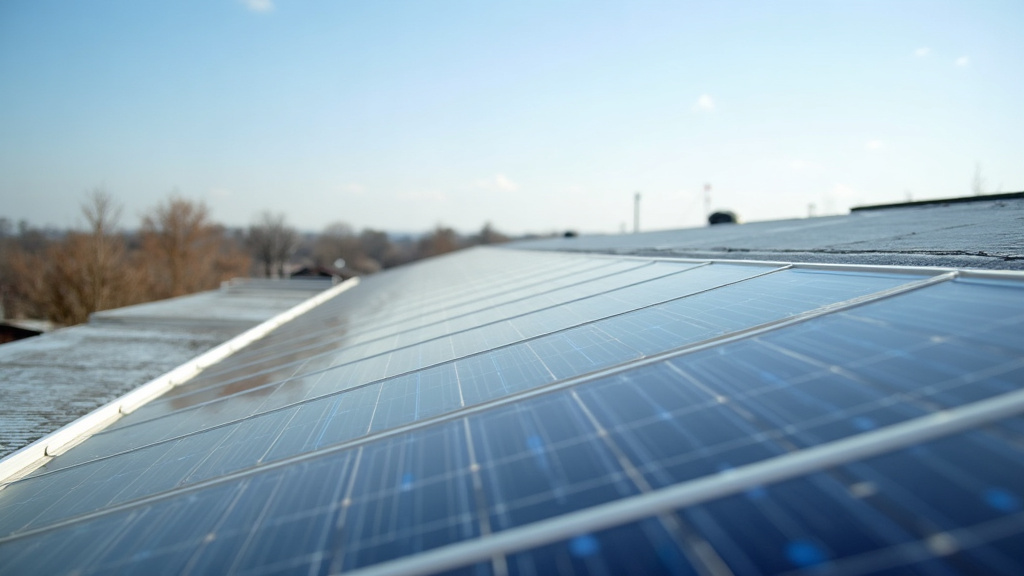
At a glanceBus stations can be illuminated efficiently with solar flag pole lighting. These systems harness the power of the sun, using solar panels to charge batteries that power LED lights. They offer a sustainable and cost-effective solution, reducing electricity bills and environmental impact, while providing clear, well-lit areas for passengers.
Key Takeaways
- Bus stations can significantly reduce energy costs by transitioning to solar lighting, eliminating reliance on grid power.
- The implementation of solar lighting at bus stations offers a clean, sustainable energy solution, contributing to environmental goals.
- Well-designed solar systems can provide reliable lighting, even in areas with variable sunlight, thanks to advanced battery storage technology.
- Solar lighting installations at bus stations can enhance safety and security, deterring crime and improving pedestrian flow.
- The initial investment for solar bus station lighting may be high, but long-term savings and increased property value make it a financially viable option.
- Local governments can promote economic growth and community pride by adopting solar lighting for bus stations, setting a positive example for sustainable urban development.
- Regular maintenance and monitoring of solar systems are crucial for optimal performance, ensuring bus stations remain well-lit and efficient.
Bus Station Solar Lighting is transforming urban transportation hubs, offering a sustainable and efficient alternative to traditional lighting. However, implementing this technology at scale presents a challenge: how to effectively power and maintain lighting systems in remote, high-traffic areas. We examine the regulatory environment, including incentives from the Environmental Protection Agency, and examine successful client implementations with TransLink and City Energy Services. By understanding these factors, communities can harness the power of bus station solar lighting to create brighter, greener urban spaces.
Bus Station Solar Lighting: Where to Start
Looking for bus station solar lighting? bus station solar lighting at Solar Path USA can answer your questions directly.
- Planning and Design Considerations for Bus Station Solar Lighting
- Installation: Step-by-Step Guide to Efficient Bus Stop Lighting
- Maintenance and Impact: Maximizing Bus Station Solar Lighting Benefits
Planning and Design Considerations for Bus Station Solar Lighting

When planning and designing bus station solar lighting, it’s crucial to avoid common pitfalls. First, consider the orientations and shadows. Improper placement can lead to suboptimal sunlight exposure, reducing the lighting’s efficiency. Stations with large buildings or trees nearby might require more creative solutions to capture enough light. The duration of construction and installation typically ranges from one to two days, depending on the size and complexity of the project. This process involves careful engineering to ensure the lights are aligned with the sun’s path for maximum benefit.
Another critical aspect is compliance with local regulations. The Local Government Act and Environmental Protection Agency (EPA) guidelines play a significant role in the design phase. You’ll need to ensure the lighting system aligns with renewable energy incentives and community sustainability goals. Many cities have specific requirements for solar panel placement and energy storage capacity.
To qualify for bus station solar lighting projects, several elements must be in place. Adequate funding, often through grants or partnerships with energy services like TransLink or City Energy Services, is essential. Green Lighting Partners can offer expertise in navigating these processes.
The timeframe for implementation should consider not just installation but also the procurement and supply chain. Engaging with specialized contractors familiar with these systems can streamline the process, ensuring the bus station is illuminated with clean, efficient energy in a timely manner, aligning with community expectations and environmental initiatives like the Green Cities Initiative.
Installation: Step-by-Step Guide to Efficient Bus Stop Lighting

Bus Station Solar Lighting involves a comprehensive approach to illuminating public transport hubs, combining efficient lighting with renewable energy sources. To qualify for such systems, local governments or transport authorities must adhere to environmental regulations, like those set forth in the Local Government Act and guided by the Environmental Protection Agency (EPA), often incentivized by renewable energy programs. The process begins with assessing the station’s energy needs and available space for solar panels. A bus station with a large roof area and high daily sunlight exposure is ideal.
Next, the selection of the right equipment is crucial. This includes high-efficiency LED lighting fixtures and solar panels from reputable manufacturers such as SunPower Corporation or SolarTech Innovations. The lighting design should consider not only aesthetic appeal but also functionality, ensuring drivers and passengers can navigate safely during all times. A skilled contractor will integrate these components, installing the solar panels to maximize sunlight capture and connecting them to the lighting system. During installation, attention to detail is key; ensuring proper wiring, safety measures, and compliance with local building codes.
Post-installation, a system monitoring and maintenance plan should be implemented. This involves checking the solar panels’ performance, lighting output, and overall energy efficiency. Regular maintenance not only ensures the system operates optimally but also extends its lifespan. Green Lighting Partners, for instance, offer such services to clients like TransLink (Transport Authority) and City Energy Services, helping to maintain the integrity of the Bus Station Solar Lighting system and its contribution to the community’s sustainability goals.
| Factor | What to know |
|---|---|
| Orientation & shadows | Must align panels with sun's path to avoid efficiency loss |
| Installation duration | Typically takes one to two days depending on project size |
| Regulatory compliance | Must follow Local Government Act and EPA guidelines |
| Equipment selection | Use high-efficiency LED fixtures and reputable solar panel brands |
| Funding sources | Grants or partnerships with energy services enable project funding |
| Ongoing maintenance | Regular cleaning, checks, and part replacements ensure peak efficiency |
Maintenance and Impact: Maximizing Bus Station Solar Lighting Benefits

Bus Station Solar Lighting offers significant long-term benefits, but maximizing these advantages requires thoughtful maintenance and selection of the right provider. To ensure the sustainability and effectiveness of your investment, several key factors come into play.
First, understanding what Bus Station Solar Lighting includes is crucial. Beyond the initial installation, it encompasses regular cleaning, equipment checks, and component replacements. TransLink (Transport Authority) in many cities emphasizes routine maintenance to keep their solar-powered stations operating at peak efficiency. This proactive approach not only extends the life of the system but also maintains the lighting’s reliability, a critical aspect for passengers’ safety and comfort.
Choosing the right Bus Station Solar Lighting provider is equally important. Clients should consider companies with expertise in the specific challenges of outdoor lighting, such as SolarTech Innovations or Energetica Solutions. These providers can offer tailored solutions, ensuring the system aligns with local conditions and regulatory frameworks. Green Lighting Partners have successfully implemented solar lighting at numerous stations, demonstrating their proficiency in this domain.
When selecting a provider, assess their track record, certifications, and after-sales support. Local Bus Station Solar Lighting projects, supported by Renewable Energy Incentives, can make a substantial difference in energy savings and community satisfaction. The Environmental Protection Agency (EPA) also provides guidelines and resources to ensure projects meet environmental standards. Regular maintenance and a reputable provider are the cornerstones of successful, sustainable Bus Station Solar Lighting initiatives.
Frequently Asked Questions About Bus Station Solar Lighting
What is the primary advantage of solar lighting for bus stations?
Solar lighting offers a sustainable and cost-effective solution for bus stations, reducing reliance on traditional grid power. By harnessing solar energy, these systems can significantly lower operating costs for stations, as sunlight is a free and renewable resource. This is especially beneficial for remote or hard-to-reach locations where grid connections may be impractical or expensive to install.
How do solar-powered lights work at bus stations?
Solar panels installed on the roof or in strategic locations around the bus station absorb sunlight during the day. These panels convert the sun’s energy into electricity, which is stored in batteries. At night, the stored energy powers LED lights, ensuring adequate illumination for passengers. Some advanced systems incorporate motion sensors, further enhancing energy efficiency by activating lights only when needed.
Are solar-powered lights reliable for public transportation hubs?
Absolutely. Solar lighting systems are designed for reliability and durability, catering to the demanding environments of bus stations. They require minimal maintenance and can operate autonomously, making them ideal for areas with limited access. Modern LED technology ensures these lights have a long lifespan, often lasting over 50,000 hours, providing consistent service for years.
Can solar lighting be integrated with existing infrastructure?
Integration is a key strength of solar lighting. These systems can be designed to complement and connect seamlessly with existing infrastructure, such as security cameras, ticket vending machines, or digital displays. Proper planning ensures that solar lights enhance the overall functionality and safety of the bus station without creating clutter or disruptions.
What are the environmental benefits of solar bus station lighting?
By reducing the carbon footprint of lighting, solar-powered bus stations contribute to environmental sustainability. Traditional lighting relies on non-renewable energy sources, emitting greenhouse gases and contributing to climate change. Solar lighting, however, is a clean energy alternative, helping to decrease carbon emissions and promote a greener, more eco-friendly transportation network.
How long does it typically take to install solar lighting at a bus station?
Installation times vary depending on the size and complexity of the station, but most projects take one to two days. This swift installation process is one of the many benefits of solar lighting, allowing for quick implementation and minimal disruption to bus services and passengers.
Bus Station Solar Lighting offers a sustainable and efficient solution for urban transportation hubs, as demonstrated by the innovative technologies and regulatory support in this field. By planning and designing with solar energy in mind, installations can be optimized for minimal impact and maximum benefit. The step-by-step guide provided offers a practical framework for implementing these systems, ensuring that bus stations can be well-lit and environmentally friendly. Proper maintenance is key to maximizing the return on investment and the positive community impact. By adhering to these key insights, transportation authorities like TransLink and City Energy Services can lead the way in green initiatives, aligning with programs like the Green Cities Initiative and the Urban Lighting Design Association’s standards. This holistic approach not only reduces carbon footprints but also enhances urban aesthetics and community engagement.