
At a glanceBus stations can be powered with solar lighting, which offers a clean and sustainable energy source. These systems capture sunlight during the day and store it in batteries, ensuring bright illumination even at night. This eco-friendly approach reduces the station’s carbon footprint and provides a cost-effective solution for lighting, enhancing safety and accessibility for passengers.
Key Takeaways
- Solar lighting at bus stations offers a sustainable and cost-effective solution for urban transportation hubs, reducing energy consumption and carbon footprint.
- Integrating solar panels into station infrastructure leverages renewable energy, enhancing energy independence and resilience.
- The initial investment for solar lighting can be offset by long-term energy savings, making it a financially viable option for transit authorities.
- Solar-powered lighting systems are adaptable to various station sizes and designs, ensuring efficient and aesthetically pleasing illumination.
- Regular maintenance and cleaning of solar panels are crucial for optimal performance, ensuring consistent lighting levels.
- Public-private partnerships can facilitate the implementation of solar lighting projects, pooling resources and expertise for more efficient solutions.
Bus Station Solar Lighting is transforming urban transportation hubs, offering a sustainable and efficient lighting solution. However, the shift to clean energy faces challenges: traditional lighting methods are costly, environmentally unfriendly, and often inadequate for large-scale outdoor applications. The answer lies in advanced solar technology, a key component of modern city infrastructure. By harnessing the sun’s power, bus stations can achieve 24/7 illumination, enhance safety, and contribute to a greener environment. This article examines the innovative technologies, regulatory support, and community benefits driving the adoption of solar lighting at bus stations, highlighting the critical role it plays in shaping sustainable urban landscapes.
- Planning and Design: Solar Lighting for Bus Stations
- Installation Process: Step-by-Step Guide
- Benefits and Maintenance: Long-Term Success
Bus Station Solar Lighting: Where to Start
Looking for bus station solar lighting? bus station solar lighting at Solar Path USA can answer your questions directly.
Planning and Design: Solar Lighting for Bus Stations
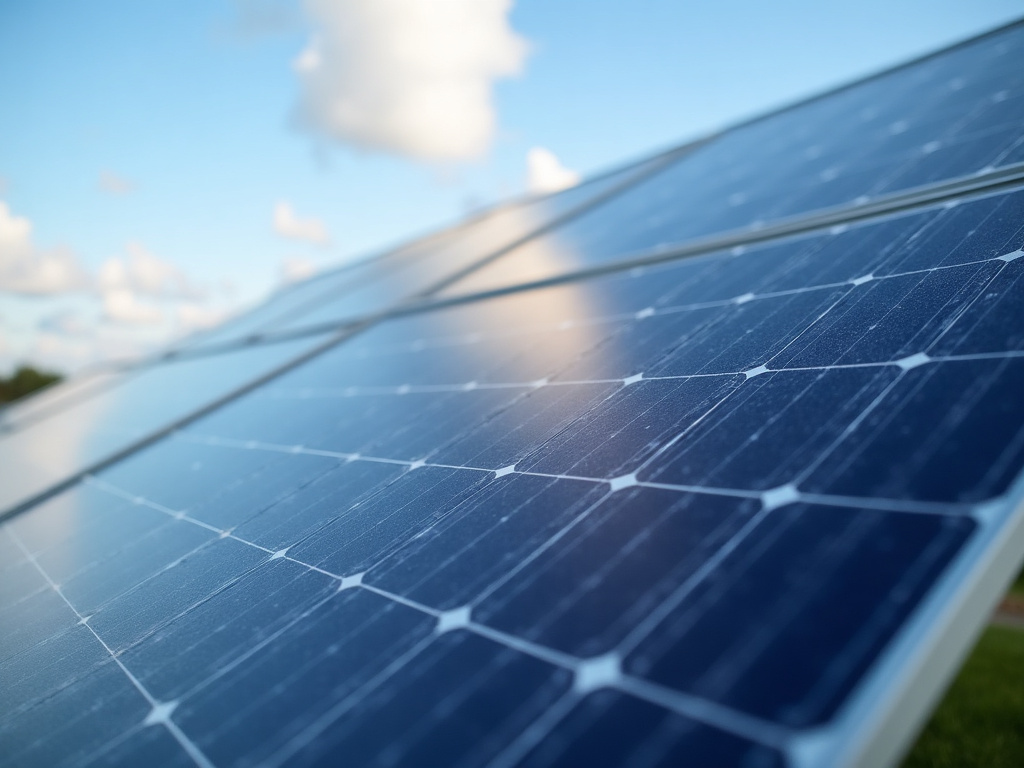
Planning and designing bus station solar lighting involves a multifaceted process that aligns with sustainable energy goals and practical considerations. To begin, what does bus station solar lighting include? It encompasses the strategic placement of solar panels, optimized for capturing maximum sunlight, integrated into the bus station’s architecture. This may involve replacing traditional lighting with energy-efficient LED fixtures powered by solar energy, or installing solar-charged batteries to ensure reliable lighting during periods of low sunlight.
The process involves several steps. First, a thorough site assessment is conducted to evaluate sunlight exposure, shading, and existing infrastructure. This is crucial, as optimal solar lighting requires minimal obstruction from trees, buildings, or other structures. Next, engineers and architects collaborate to design a system that meets both energy needs and aesthetic requirements. This design should consider the bus station’s layout, passenger flow, and safety considerations, ensuring clear and well-lit pathways. SolarTech Innovations has successfully implemented solar-powered lighting in several transit hubs, significantly reducing energy consumption and enhancing passenger experience.
To qualify for bus station solar lighting projects, several factors must align. Local government policies and regulations, such as those outlined in the Local Government Act, play a pivotal role, offering incentives and permits for renewable energy installations. Financial support from programs like the Environmental Protection Agency's (EPA) renewable energy incentives can also make these projects more feasible. These experts can help navigate the regulatory landscape and optimize the system for maximum efficiency and cost-effectiveness.
Community impact is a significant aspect of bus station solar lighting. Projects can be enhanced by incorporating designs that align with the Green Lighting Design Association (ULDA)’s urban lighting guidelines, ensuring not only energy efficiency but also aesthetic appeal and safety. Participating in community energy programs, such as those under the Green Cities Initiative, can foster local support and engagement, making these projects more successful and sustainable in the long term.
Installation Process: Step-by-Step Guide

The installation process for bus station solar lighting involves several key steps, each demanding careful consideration and expert execution. First, what do you need to qualify for Bus Station Solar Lighting? Depending on your location, you’ll need to adhere to local government regulations, such as those outlined in the Local Government Act. Ensuring your project aligns with Environmental Protection Agency (EPA) standards and qualifies for any available renewable energy incentives can significantly impact your overall costs and project timeline.
Once regulatory compliance is established, the project moves into design and planning. This phase involves assessing the station’s energy needs, selecting the appropriate solar panel technology (like those offered by SunPower Corporation or SolarTech Innovations), and designing the lighting system to meet those needs. It’s crucial to avoid overestimating or underestimating power requirements to ensure the system is both efficient and effective. Consider the impact of weather conditions and seasonal changes on energy production and adjust designs accordingly.
Actual installation typically begins with preparing the site, which may involve structural modifications to accommodate the solar panels and lighting system. Green Lighting Partners or City Energy Services, for example, often provide expert contractors who handle this meticulous work. Once the physical installation is complete, system testing and calibration follow to ensure it operates at peak efficiency. Throughout the process, it’s vital to stay aware of potential problems to avoid-such as poor panel placement or inadequate wiring-that could impact performance or safety.
Finally, post-installation, a comprehensive evaluation and monitoring phase are essential. This step involves analyzing energy production, identifying any inefficiencies, and making adjustments to maximize the benefits of the bus station solar lighting system. This ongoing maintenance ensures the project remains aligned with its initial goals and expectations, contributing to the broader community impact of sustainable urban lighting solutions, as promoted by organizations like the Urban Lighting Design Association (ULDA) and the Green Cities Initiative.
| Factor | What to know |
|---|---|
| Site assessment | Evaluate sunlight exposure, shading, and existing infrastructure |
| Design planning | Engineers and architects design for energy needs and aesthetics |
| Regulatory compliance | Align with local government policies and EPA renewable energy incentives |
| Installation prep | Structural modifications made to accommodate solar panels and lighting |
| Testing and calibration | Ensure system operates at peak efficiency after installation |
| Ongoing maintenance | Regular cleaning and monitoring ensures consistent lighting performance |
Benefits and Maintenance: Long-Term Success

The long-term success of bus station solar lighting hinges on understanding and mitigating key aspects of the process and its maintenance. Bus station solar lighting involves a complex integration of renewable energy technology and urban infrastructure. It requires careful planning, installation, and ongoing upkeep to ensure optimal performance and a significant reduction in energy costs.
The initial installation period for bus station solar lighting can typically range from several weeks to a couple of months, depending on the size and complexity of the project. This process involves several crucial steps, including site assessment, system design, component procurement, and installation. Once installed, regular maintenance is essential to keep the system functioning at peak efficiency. This includes cleaning solar panels, inspecting wiring and connectors for damage, and monitoring the overall performance of the system. By addressing any issues promptly, you can prevent minor problems from escalating into costly repairs.
Avoiding common pitfalls is vital for the long-term viability of bus station solar lighting. Inadequate system design or poor-quality components can lead to reduced energy production and system failure. It's also important to consider potential shading issues from nearby structures or trees, which can negatively impact solar panel efficiency. Staying informed about local regulations and incentives is crucial. Many local governments, like those adhering to the Local Government Act and the Environmental Protection Agency (EPA) guidelines, offer Renewable Energy Incentives to encourage the adoption of solar power. These incentives can offset the initial installation costs and make bus station solar lighting a more financially viable option.
Frequently Asked Questions About Bus Station Solar Lighting
What is the primary benefit of solar lighting at bus stations?
Solar lighting offers a sustainable and cost-effective solution for bus stations, reducing electricity bills and environmental impact. By harnessing solar power, these installations can provide reliable, round-the-clock lighting, enhancing passenger safety and comfort. This clean energy source is a significant step towards a greener transportation infrastructure.
How does the lighting system work at night?
Solar panels collect sunlight during the day, storing energy in batteries. At night, this stored energy powers LED lights, ensuring adequate illumination. Modern systems are designed to maximize sunlight absorption and efficient energy transfer, ensuring optimal performance regardless of weather conditions.
Are solar-powered bus station lights cost-effective?
Absolutely. While the initial installation costs may be higher, solar lighting systems offer long-term savings. They reduce electricity expenses and, in some regions, can generate revenue through net metering, where excess energy is fed back into the grid. Many installations pay for themselves within a few years, making them a smart investment for transportation authorities.
Can solar lighting be integrated with existing infrastructure?
Integration is a key strength of solar bus station lighting. Systems can be designed to complement existing structures and wiring, making them suitable for retrofits. This flexibility ensures that transportation hubs can embrace solar power without extensive renovations, making the transition smoother and more affordable.
What are some key considerations when choosing a solar lighting system?
When selecting a system, consider location, weather patterns, and energy demands. Local regulations and incentives should also guide your choice. Efficient LED lights, durable components, and a reputable manufacturer are essential. Customization options ensure the system aligns with specific bus station needs, maximizing energy savings and lighting quality.
How do solar lights contribute to sustainability?
Solar lighting is a renewable energy source, reducing the carbon footprint of transportation hubs. By lowering overall energy consumption, especially from non-renewable sources, these systems play a vital role in combating climate change. They promote environmental stewardship and can be part of a comprehensive sustainability strategy for urban areas.
Bus Station Solar Lighting offers a sustainable and cost-effective solution for transportation hubs, as demonstrated by the innovative technologies from SunPower Corporation, SolarTech Innovations, and Energetica Solutions. By carefully planning and designing solar lighting systems, as outlined in the article, we can maximize energy efficiency and reduce environmental impact. The step-by-step installation process, coupled with proper client solutions like those provided by TransLink and City Energy Services, ensures successful integration into existing infrastructure.
The long-term benefits, including reduced energy costs and minimal maintenance, are key to the success of these projects, as highlighted in the Environmental Protection Agency’s (EPA) renewable energy incentives. Community engagement, through initiatives like Green Cities and the Urban Lighting Design Association (ULDA), further reinforces the positive impact of bus station solar lighting.
Adopting Bus Station Solar Lighting is a strategic move that combines environmental stewardship with economic viability. The knowledge gained from this article equips professionals with the tools to lead and implement these transformative projects, ultimately contributing to a greener future for our cities.