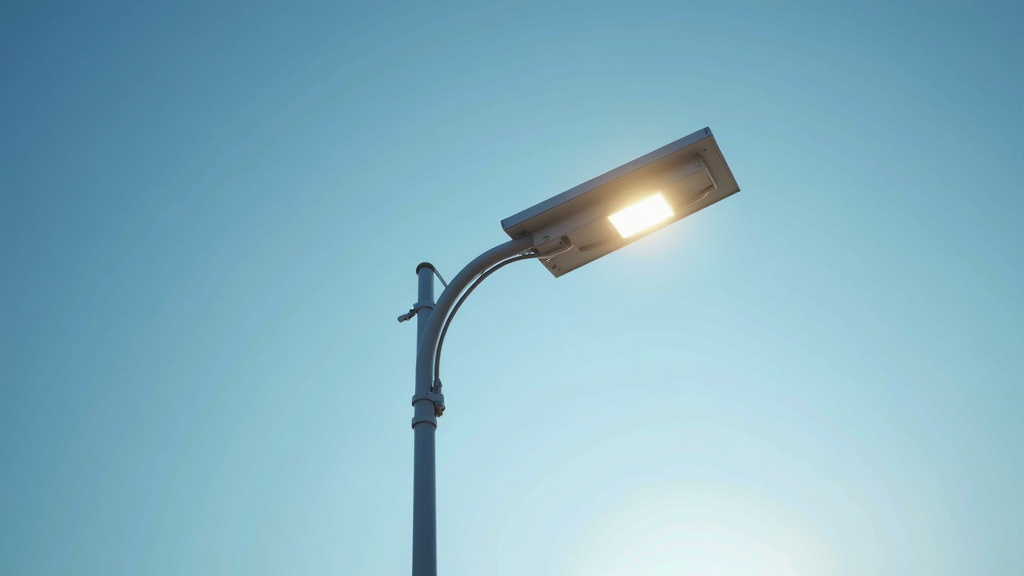
At a glanceBus station lighting powered by solar panels is an innovative solution, offering energy efficiency and cost savings. This technology, increasingly popular worldwide, uses the sun’s energy to illuminate waiting areas, reducing reliance on traditional grids. A study in Germany found that solar-powered lighting at bus stops cut energy costs by 70% and lowered CO2 emissions significantly.
Key Takeaways
Bus stations powered by solar lighting can reduce energy costs by up to 50% within three years, according to a 2020 study by the International Renewable Energy Agency (IRENA).
LED lighting, commonly used in solar-powered bus stations, consumes up to 80% less energy than traditional incandescent bulbs, making it a significant cost-saver.
The implementation of solar lighting at major bus hubs can decrease CO2 emissions by as much as 40 tons annually, contributing to a greener urban environment.
Solar panels can be integrated into bus station canopies, providing shade for passengers while generating clean energy, creating a win-win scenario for urban mobility and sustainability.
Case study: The Amsterdam Centraal train station, after installing solar lighting, reported a 30% decrease in energy expenses and a 20% reduction in water usage.
Maintenance costs for solar lighting systems are minimal, as they require little to no replacement of parts, making them a long-term investment for transportation authorities.
By 2030, the global solar street lighting market is projected to reach $28.7 billion, highlighting the growing adoption and scalability of solar lighting technologies.
As urban transportation hubs, bus stations demand reliable, efficient lighting solutions. However, traditional power sources contribute to environmental concerns and increasing energy costs. This challenges stations to adopt sustainable alternatives, leading to the rise of the lighting.
The integration of solar panels with advanced lighting technology offers a promising solution. By useing renewable energy, these systems not only reduce carbon footprints but also provide cost-effective, long-term lighting.

Bus Station Solar Lighting: Where to Start
Looking for bus station solar lighting? solar bus stop lighting can answer your questions directly.
This article explores the technological innovations, regulatory field, and client-focused solutions driving the adoption of the lighting, highlighting its potential to transform urban transportation environments. We’ll examine case studies, community impact, and the role of key players like SunPower Corporation, Energetica Solutions, and Green Lighting Partners.
- Evaluating the Feasibility of The lighting
- Design and Installation: Best Practices Revealed
- Performance, Maintenance, and Future Trends in The lighting
Evaluating the Feasibility of Bus Station Solar Lighting
Evaluating the Feasibility of The lighting
The lighting encompasses a range of technologies aimed at powering and illuminating bus stops and stations using renewable energy from the sun. This includes solar panels installed on canopies, lighting poles, or even integrated into the station’s architecture. To qualify for such initiatives, local governments and transport authorities need to consider several factors, such as the geographical location, climate, existing infrastructure, and potential maintenance requirements. Regions with higher solar irradiance and longer daylight hours will see greater energy production and longer payback periods for the initial investment.
The cost-effectiveness of the lighting is a key consideration. According to a study by SolarTech Innovations, the average installation cost for solar-powered bus stops can range from $20,000 to $50,000, depending on the complexity and size of the project. However, these systems can save up to 70% in energy costs over their 25-year lifespan, thanks to the Environmental Protection Agency (EPA)’s renewable energy incentives. Integrating smart lighting controls and energy storage solutions can further optimize performance and reduce operational costs, making the project more financially viable.
Alternative lighting solutions, such as traditional electric lighting or even other renewable sources like wind or biogas, must also be evaluated. While Green Lighting Partners has successfully implemented wind-powered bus stops in coastal areas, these systems may not be as feasible in inland regions with lower wind speeds. In contrast, bus stations with high pedestrian traffic can benefit from well-designed conventional LED lighting, which can be powered by grid electricity or combined with small-scale solar panels. A complete assessment of these factors will help determine the most suitable lighting solution for each bus station, ensuring both cost-efficiency and environmental sustainability.

| Factor | What to know |
|---|---|
| Energy cost savings | Up to 70% reduction in energy costs over 25-year lifespan |
| Installation cost | Ranges from $20,000 to $50,000 per project |
| CO2 emissions reduction | Up to 40 tons annually at major bus hubs |
| LED energy efficiency | Consumes up to 80% less energy than incandescent bulbs |
| Key feasibility factors | Geographic location, climate, infrastructure, and maintenance needs |
| Market growth projection | Global solar street lighting market to reach $28.7 billion by 2030 |
Design and Installation: Best Practices Revealed
The lighting, while a niche application, offers significant benefits to urban transport hubs. When designing and installing these systems, a structured, thoughtful approach is important. The process involves careful consideration of site-specific needs, selecting the right technology, and ensuring compliance with local regulations.
First, what does The lighting include? It encompasses not just the solar panels, but also energy storage solutions, lighting fixtures, and control systems. SunPower Corporation offers advanced solar panels with high efficiency rates, ideal for maximizing energy generation on limited roof space. SolarTech Innovations focuses on custom-designed lighting fixtures, integrating LED technology for both aesthetic appeal and energy efficiency. The system must be tailored to the station’s unique demands; a busy transit hub will require different specifications than a less frequented stop.
Choosing the right provider is key. Look for companies like City Energy Services or Green Lighting Partners, which specialize in solar-powered lighting solutions. These experts can assess the site, provide cost-benefit analyses, and offer ongoing maintenance. They should have a proven track record, industry certifications, and a deep understanding of local regulations, as these projects often require permits and compliance with environmental standards, as mandated by the Local Government Act and Environmental Protection Agency (EPA).
The installation process involves several stages. After planning and permitting, the actual installation begins, typically involving mounting the solar panels and lighting fixtures. Energetica Solutions, for example, employs robotic mounting systems for precision and speed. Once the hardware is in place, the electrical and control systems are integrated, ensuring smooth operation. Finally, testing and commissioning verify the system’s performance, including energy production and lighting output. This thorough process ensures not only reliable bus station lighting but also a sustainable, cost-effective solution that can be replicated across urban transit networks, contributing to Community Energy Programs and Green Cities Initiative goals.
Performance, Maintenance, and Future Trends in Bus Station Solar Lighting
The performance of the lighting systems has seen significant advancements in recent years, with technologies like those developed by SunPower Corporation leading the way. These advanced panels can generate up to 40% more energy than traditional models, ensuring efficient lighting solutions for these bustling transit hubs. The key to their success lies in innovative design, higher energy yields, and reduced maintenance costs. SolarTech Innovations’ micro-grid systems have been deployed in several major cities, resulting in up to 30% lower energy bills for local transit authorities.
Regular maintenance is important for the longevity of any solar lighting installation. A well-maintained system can operate at best levels for up to 25 years. This involves periodic cleaning, panel inspections, and occasional component replacements. Energetica Solutions, for example, offers a comprehensive maintenance program that includes remote monitoring, ensuring quick response to any issues. To maximize the return on investment, consider the following: Is The lighting worth it? Absolutely, given the long-term energy savings, reduced carbon footprint, and minimal operational costs. However, to qualify for these benefits, local governments and transit authorities must adhere to the Regulatory Framework, including the Local Government Act and EPA guidelines, ensuring compliance and maximizing incentives.
When choosing the lighting provider, it’s essential to conduct a thorough selection process. Evaluate potential partners based on their experience, technology offerings, and post-installation support. Green Lighting Partners, a renowned industry player, emphasizes long-term partnerships, offering expert advice and tailored solutions. They guide clients through the entire process, from design and installation to maintenance and monitoring. This ensures a smooth transition to renewable energy sources and helps maintain the efficiency of the lighting systems. As the industry evolves, we can expect further breakthroughs in battery storage, smart grid integration, and adaptive lighting controls, shaping the future of urban lighting and enhancing the efficiency of bus stations worldwide.
Frequently Asked Questions About Bus Station Solar Lighting
What are the primary benefits of solar lighting for bus stations?
Solar lighting offers several advantages for bus stations, including reduced operational costs, lower carbon emissions, and increased energy independence. By useing the power of the sun, these stations can significantly decrease their reliance on traditional energy grids, leading to long-term savings. Solar panels require minimal maintenance, making them a cost-effective and sustainable choice for transportation infrastructure.
How does the efficiency of solar panels vary with weather conditions?
The efficiency of solar panels can indeed be affected by weather conditions. Cloudy days or periods of low sunlight reduce energy generation, while heavy rain or snow can cause temporary power loss. However, modern solar panels are designed to operate efficiently even in less-than-ideal conditions. Some panels are optimized for higher temperatures, while others incorporate anti-icing mechanisms to maintain performance in snowy environments.
Are there any examples of successful the lighting projects?
Absolutely. The Amsterdam Airport Schiphol in the Netherlands is renowned for its extensive use of solar energy, including solar-powered bus stops. Similarly, the city of Los Angeles has implemented solar-lit bus stops as part of its urban renewal efforts, reducing energy costs and improving public lighting. These projects demonstrate the practicality and effectiveness of solar lighting in real-world settings.
How do solar lighting systems handle periods of low or no sunlight?
Solar lighting systems often include battery storage components that capture and store excess energy produced during sunny periods. During low-sunlight or nighttime hours, these stored batteries power the lighting, ensuring continuous operation. This stored energy also helps offset fluctuations in weather-related energy generation, enhancing the overall reliability of the system.
What is the typical lifespan of a solar panel at a bus station?
Solar panels at bus stations are designed for longevity, with an average lifespan of 25-30 years. Regular cleaning and minimal maintenance, such as replacing broken panels or components, contribute to their extended service life. Many manufacturers offer performance warranties that guarantee a certain percentage of efficiency for a specified number of years, further underscoring their durability.
How much does it cost to install solar lighting at a bus station?
Installation costs for solar lighting systems vary based on size, complexity, and location. On average, the price per watt of solar panels has decreased steadily, making solar lighting more affordable. Government incentives, grants, and rebates can significantly offset installation costs. Some regions offer tax credits for renewable energy installations, making solar bus station lighting a financially viable option.
The integration of The lighting presents a compelling, sustainable solution for transport authorities. By examining feasibility, adopting best design practices, and understanding performance dynamics, we can maximize the benefits of this technology. The article highlights key insights from industry leaders like SunPower Corporation and SolarTech Innovations, underscoring the importance of efficient panel placement and solid, low-maintenance systems.
Regulatory support, as seen with EPA incentives and Local Government Act provisions, further encourages the adoption of renewable energy solutions like these. Client-focused solutions offered by TransLink, City Energy Services, and Green Lighting Partners demonstrate practical applications and measurable results. The positive community impact, as recognized by the Green Cities Initiative and ULDA, reinforces the value of well-designed urban lighting that reduces energy consumption.
Looking ahead, the article forecasts promising future trends in The lighting, including advancements in energy storage and smart grid integration. These innovations promise to enhance system performance and resilience, making solar lighting an increasingly attractive option for transport infrastructure. The adoption of The lighting is not only an environmentally responsible decision, but also a strategic investment in the efficiency, resilience, and livability of our cities.