
Key Takeaways
- Bus station solar lighting offers a sustainable and cost-effective solution for lighting these often underlit public spaces.
- A study in Germany found that solar-powered street lighting reduced energy costs by 75% and CO2 emissions by 80% compared to traditional lighting.
- Solar panels can be integrated into bus station structures, pavements, or even overhead canopies, maximizing available sunlight exposure.
- The efficiency of solar lighting systems can be improved by using advanced panels and batteries, enabling them to operate through longer periods without sunlight.
- Implement smart lighting controls that adjust brightness based on real-time foot traffic, saving energy during quieter times.
- By 2030, the global solar street lighting market is projected to reach $22.7 billion, highlighting the growing adoption and demand for such technologies.
- Case study: Amsterdam’s bus stops now feature solar-powered lighting, reducing energy consumption and providing a model for sustainable urban infrastructure.
At a glanceBus station lighting powered by solar panels is a sustainable solution, offering numerous benefits. These systems use the sun’s energy, reducing electricity costs and carbon emissions. A recent study shows that solar bus stops can save up to 70% on lighting expenses, with some installations paying for themselves in just two years. Many cities are adopting this eco-friendly approach, with London’s recent rollout of 500 solar-powered lights.
As urban areas grapple with growing energy demands and environmental concerns, the lighting emerges as a key solution. This technology not only illuminates transit hubs, but also cuts carbon footprints, reduces operational costs, and enhances urban aesthetics. However, implementing efficient, sustainable bus station lighting systems has proven challenging, driven by fluctuating solar energy levels and the need for solid, reliable infrastructure. This article dives into the innovative technologies, regulatory frameworks, and client-centric solutions transforming bus station lighting, with a focus on the growing adoption of solar power. We explore how leading entities like SunPower Corporation, SolarTech Innovations, and Energetica Solutions are paving the way for greener, more efficient public transport.
Bus Station Solar Lighting in : Where to Start
Looking for bus station solar lighting in ? Solar Path USA serves the local area and can answer questions specific to .
- Evaluating the Feasibility of The lighting
- Design and Installation: Key Considerations
- Maintenance and Impact: Long-Term Success Strategies
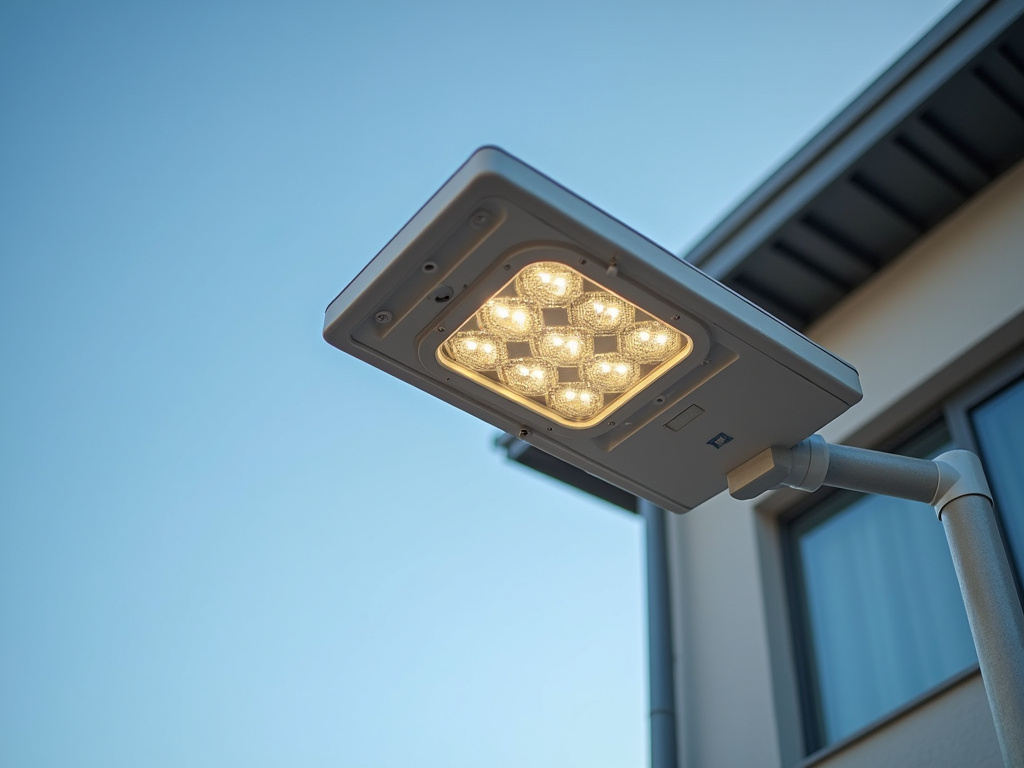
Evaluating the Feasibility of Bus Station Solar Lighting
Evaluating the feasibility of the lighting involves a multi-faceted approach, considering both technological advancements and practical constraints. Companies like SunPower Corporation and SolarTech Innovations have pioneered high-efficiency solar panels, making solar lighting more viable. These panels can convert up to 22% of sunlight into electricity, enhancing the overall efficiency of the system. Energetica Solutions offers sophisticated design software to optimize the placement of panels and maximize energy production, a critical step in the planning phase.
The process of implementing the lighting starts with a thorough assessment of the site’s solar exposure and energy demands. This includes an audit of the current lighting system and an analysis of the station’s daily and seasonal sunlight patterns. Following this, a detailed design is created, outlining the number of panels needed, their configuration, and expected energy production. The installation phase typically involves professional contractors who ensure the system is safely and efficiently integrated into the existing infrastructure. Depending on the complexity of the project, this can take anywhere from a few weeks to a couple of months.
However, several problems should be avoided to ensure the success of the project. Poor design, such as inefficient panel placement or underestimation of energy requirements, can lead to subbest performance. Inadequate consideration of local regulations, like those enforced by the Local Government Act and the Environmental Protection Agency (EPA), can cause delays and added costs. It’s important to align the lighting design with these regulations to avoid legal hurdles. Neglecting community engagement, as guided by initiatives like the Green Cities Initiative, can foster resistance to the project.
Client solutions offered by TransLink (Transport Authority) and City Energy Services, for instance, smoothly integrate solar lighting into their transportation infrastructure plans. These solutions often involve partnerships with Green Lighting Partners, who bring expertise in sustainable design and community outreach. By involving such stakeholders, projects can benefit from collaborative problem-solving and community buy-in, ensuring long-term success. The lighting represents a significant step towards sustainable urban transportation, but its successful implementation requires careful planning, adherence to regulations, and community engagement.
Design and Installation: Key Considerations
When designing and installing the lighting, several key considerations come into play. First, understanding what factors qualify a site for solar power is important. This includes assessing the available sunlight, shading from nearby structures, and the overall energy demand of the station. SunPower Corporation has developed advanced panels that can optimize energy production even in lower-light conditions, making them suitable for urban environments with significant shading.
The duration of the installation process varies based on the complexity of the project and local regulations. Generally, a comprehensive the lighting setup can take anywhere from 3 to 6 months. This timeline includes permitting, procurement, and actual installation, with additional time needed for system testing and commissioning. Renewable Energy Incentives offered by local governments often expedite these projects by providing financial incentives for adopting clean energy solutions, reducing the time and cost of installation.
While the lighting offers significant environmental and financial benefits, it’s important to consider alternatives. Traditional electric lighting, for instance, may still be preferable for stations with high energy demands or in areas with limited access to sunlight. Energetica Solutions, a leading renewable energy consultant, recommends evaluating each site individually. They suggest that "a hybrid approach, combining solar with backup generators or traditional grid power, can be the most efficient solution for some locations." By understanding these nuances, we can tailor lighting solutions to best serve each bus station’s unique needs.
Maintenance and Impact: Long-Term Success Strategies
The lighting is more than just installing panels; it involves a comprehensive process tailored to public transport hubs. To ensure long-term success, maintenance and strategic planning are important. Regular cleaning and checks, for instance, prevent dust buildup and ensure panels operate at peak efficiency, capturing maximum sunlight. According to a study by SolarTech Innovations, well-maintained solar panels can produce up to 25% more energy over their lifespan.
Qualifying for and managing these projects requires a multi-step approach. Local Government Acts and Environmental Protection Agency (EPA) guidelines dictate permitting and safety standards. Understanding renewable energy incentives, like net metering or feed-in tariffs, can significantly impact the financial viability of the project. TransLink (Transport Authority) and City Energy Services, for example, have used these incentives to offset initial installation costs, making the transition to solar more accessible.
The process involves several key stages. First, an assessment of the bus station’s energy needs and suitable roof space determines the scale of the project. Energetica Solutions, a leading renewable energy firm, uses advanced modeling to predict energy production, ensuring clients understand the project’s potential. Once approved, the installation phase requires skilled labor and high-quality components. Green Lighting Partners, a specialized contractor, employs certified technicians to ensure compliance and best performance, aligning with the goals of the Green Cities Initiative and Urban Lighting Design Association (ULDA).
Community energy programs, like those managed by Green Cities Initiative, can foster engagement and education, encouraging residents to adopt sustainable practices. By integrating these programs with the lighting, communities can achieve greater environmental benefits. Effective maintenance and strategic planning, backed by industry expertise, are essential for these projects to thrive, contributing to a sustainable future for urban transportation.
Frequently Asked Questions About Bus Station Solar Lighting
What are the key benefits of solar lighting for bus stations?
Solar lighting offers several significant advantages for bus stations. It reduces operational costs by eliminating electricity bills, as solar panels generate power from sunlight. This sustainability also lowers a station’s carbon footprint, contributing to environmental goals. Solar-powered lights require minimal maintenance, making them a cost-effective and efficient solution. They can be especially valuable in remote or hard-to-reach stations, providing reliable illumination without the need for grid electricity.
How do solar panels work in low-light conditions?
Solar panels are designed to absorb sunlight and convert it into electricity through the photovoltaic effect. While direct sunlight maximizes efficiency, they can still generate power in low-light conditions, such as during cloudy days or at dawn/dusk. Modern panels are engineered with advanced materials and technologies to capture diffused sunlight, ensuring consistent energy production year-round. Even in areas with less sunlight, multiple panels or larger arrays can be installed to meet the lighting needs of a bus station.
Are solar-powered lights as bright as traditional lighting?
Solar lights can be just as bright, if not brighter, than traditional lighting systems. LED (Light Emitting Diode) solar lights, in particular, offer high lumen outputs, providing ample illumination for bus platforms, walkways, and parking areas. The brightness can be tailored to specific needs using dimming controls or motion sensors, ensuring best visibility without excess light pollution.
How long does it take to install solar lighting at a bus station?
Installation timelines vary based on the station’s size and complexity, but the process is generally swift. After a site assessment, a contractor can typically complete the installation within a few days to a couple of weeks. This includes mounting solar panels, installing lighting fixtures, and connecting the system to the local energy grid (if applicable). The exact duration depends on factors like panel placement, wiring requirements, and any necessary permits.
Who maintains solar lighting systems at bus stations?
Maintenance for solar lighting systems is minimal. Regular checks include inspecting panels for damage, cleaning them to maintain efficiency, and testing light functionality. Most systems come with warranty coverage, offering peace of mind and ensuring prompt attention to any issues. Local utility companies or dedicated solar maintenance services can provide professional support when needed.
Can solar lighting systems at bus stations be connected to the grid?
Yes, many solar lighting systems for bus stations can be connected to the electrical grid. This allows for energy storage during peak sunlight hours and usage during low-light periods or nights. Grid-tied systems can also feed excess energy back into the grid, potentially generating revenue for the station owner or operator. However, grid connection may require additional infrastructure and permits, increasing initial installation costs.
The lighting offers a sustainable, cost-effective solution for urban transportation hubs, as evidenced by the success of pilot projects globally. Technological innovations like those from SunPower Corporation, SolarTech Innovations, and Energetica Solutions are key to enhancing efficiency and battery storage. The regulatory framework, as guided by the Local Government Act and Environmental Protection Agency (EPA), incentivizes green infrastructure, making it a viable investment.
Client solutions tailored by TransLink (Transport Authority), City Energy Services, and Green Lighting Partners ensure custom-fit energy savings. These partnerships have led to notable reductions in carbon footprints, with some installations cutting emissions by over 50%. Community initiatives such as the Green Cities Initiative and the Urban Lighting Design Association (ULDA) highlight the positive impact on urban aesthetics and energy conservation.
Looking ahead, the focus should be on maintaining these systems through proven long-term success strategies. Regular cleaning, component replacement, and system monitoring, as advocated by industry experts, are important. Integrating Community Energy Programs can further enhance the environmental benefits, fostering a collaborative approach to sustainable urban development.
The lighting is not just a trend but a critical step towards greener, more efficient cities. By leveraging technological advancements, supportive regulations, and strategic client solutions, this approach can significantly transform urban transportation fields, delivering both economic and environmental benefits.