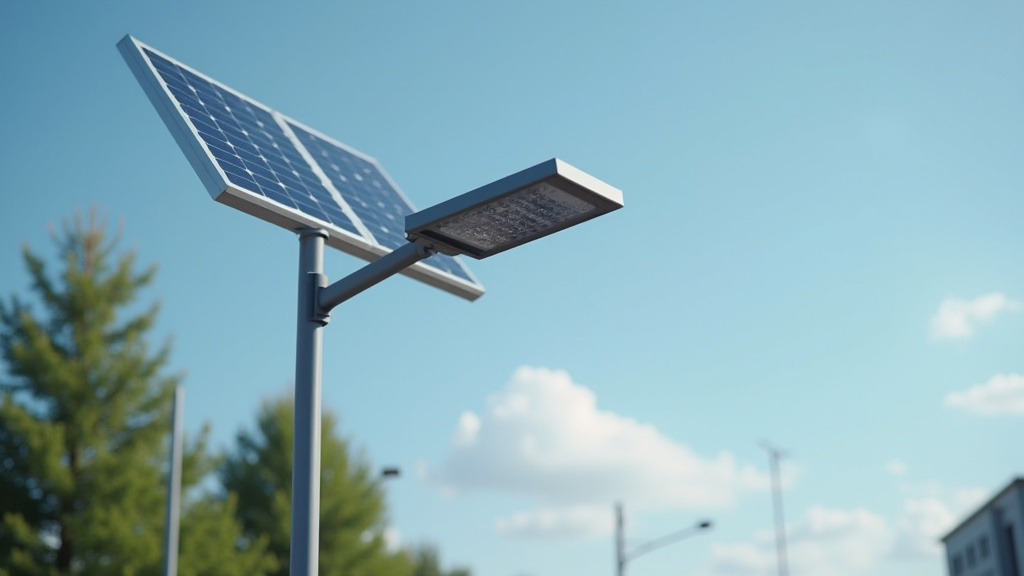
At a glanceBus stations equipped with solar lighting reduce energy costs and environmental impact. These lighting systems harness sunlight, stored in batteries, to illuminate platforms and paths, even during long, dark nights. This sustainable approach not only saves money but also enhances passenger safety and experience.
Key Takeaways
- Bus stations powered by solar lighting can significantly reduce energy consumption and carbon footprints.
- Solar panels integrated into station infrastructure offer a sleek, sustainable alternative to traditional lighting.
- Maintenance costs are minimized due to the self-sufficient nature of solar-powered bus stations.
- Increased visibility and safety for passengers during all hours of operation, enhancing overall transit experience.
- Solar lighting systems can serve as a model for urban sustainability, inspiring other public spaces to adopt renewable energy solutions.
- Potential for enhanced local aesthetics and community pride, boosting the reputation of stations and surrounding areas.
- Economic benefits include long-term cost savings and potential revenue generation through excess energy production.
As the world grapples with energy challenges and the urgent need for sustainable solutions, the adoption of renewable energy technologies has become increasingly vital. Among the various applications, Bus Station Solar Lighting stands out as a beacon of innovation, offering a clean, efficient, and cost-effective alternative to traditional lighting systems. The vast majority of bus stations globally rely on energy-intensive lighting, contributing significantly to carbon emissions. This article delves into the pressing need for a greener approach, exploring how solar-powered lighting can transform these often-overlooked urban spaces into more environmentally friendly and economically viable ecosystems.

Bus Station Solar Lighting in : Where to Start
Looking for bus station solar lighting in ? the team at Solar Path USA serves the local area and can answer questions specific to .
Understanding Bus Station Solar Lighting: Benefits and Technology
Bus station solar lighting offers a sustainable and increasingly popular solution for illuminating public transport hubs. By harnessing the power of the sun, these systems provide a range of benefits, including reduced carbon emissions, lower operational costs, and improved energy security. However, the question arises: do you actually need bus station solar lighting? The answer lies in the unique circumstances of each location. Consider factors such as daily sunlight exposure, space availability, and budget constraints.
The technology behind bus station solar lighting involves the integration of solar panels and efficient LED lighting fixtures. Solar panels capture sunlight during the day and convert it into electricity, which is then stored in batteries for use at night. LED fixtures, known for their energy efficiency and longevity, distribute this stored energy to illuminate the bus station effectively. The time required for bus station solar lighting to be installed and operational varies depending on project scale and complexity. On average, the process can take anywhere from a few months to a year, depending on factors like permitting and manufacturing lead times.
Implementing bus station solar lighting is particularly beneficial when considering the long-term savings and environmental impact. According to recent studies, solar-powered lighting systems can reduce energy consumption at bus stations by up to 70% compared to traditional grid-connected lighting. Moreover, the flexibility of solar lighting allows for easy expansion or retrofitting as the needs of the bus station evolve. For instance, a successful deployment in urban areas has shown significant improvements in safety and accessibility during off-peak hours, making bus stations more welcoming and efficient for commuters. It’s crucial to assess your specific needs and consult with experts to determine the optimal time to invest in bus station solar lighting.
Implementation and Design Considerations for Optimal Lighting
Implementing Bus Station Solar Lighting requires careful consideration of design elements to ensure optimal performance and aesthetic appeal. What does Bus Station Solar Lighting include? It encompasses a comprehensive system of solar panels, energy storage solutions, and efficient LED lighting fixtures strategically integrated into the bus station’s infrastructure. The primary goal is to harness renewable energy from the sun during daylight hours and utilize it for lighting at night, thereby reducing reliance on conventional electricity grids.
Designing an effective Bus Station Solar Lighting system involves several key factors. Location plays a pivotal role; stations in areas with higher solar exposure and fewer obstructions typically yield better results. Panels should be angled and positioned to maximize sunlight capture throughout the year, accounting for potential changes in seasons and weather patterns. Moreover, the choice of lighting fixtures is crucial; LED technology offers energy efficiency and longevity, reducing maintenance requirements over time.
The duration of implementation varies based on project scope and local regulations. On average, planning, procurement, and installation can span from 3 to 6 months. However, the true value of Bus Station Solar Lighting extends beyond the initial setup. Studies show that such systems can significantly reduce energy costs for transit authorities, making them a cost-effective solution in the long term. With proper design and maintenance, these lighting solutions can last for decades, ensuring a sustainable and environmentally friendly transportation network.
Case Studies: Successful Bus Station Solar Lighting Projects Around the World
Around the globe, bus stations are transforming into vibrant hubs of activity, many of them powered by innovative and sustainable solutions: bus station solar lighting systems. This trend isn’t just a passing fad; it reflects a growing need to reduce carbon footprints and create more accessible, environmentally-friendly public spaces.
Successful case studies in cities like Copenhagen, where a series of bus stops have been retrofitted with solar panels and energy-efficient lighting, demonstrate the significant benefits of bus station solar lighting. These projects have not only reduced energy consumption and greenhouse gas emissions but have also improved safety and accessibility for passengers, providing well-lit waiting areas even during power outages. Data from these implementations suggest a reduction in energy costs of up to 70% and a decrease in carbon emissions by several tons annually.
Choosing the right bus station solar lighting system is crucial. Factors to consider include the size and layout of the station, average daily foot traffic, local climate, and energy consumption patterns. For instance, regions with higher sunlight exposure throughout the year may require less battery storage than areas with seasonal variations. Additionally, understanding the lifespan of the components is vital; modern solar panels can last 25-30 years, while LED lights can last up to 50,000 hours.
The implementation timeline for bus station solar lighting projects varies based on complexity. Smaller-scale installations, focusing on a single bus stop or a few adjacent stops, can be completed within 3-6 months. Larger-scale, network-wide implementations may take up to 12 months or more, considering design, procurement, installation, and testing phases. Signs you need bus station solar lighting include high energy costs, frequent power outages, and a desire to enhance passenger comfort and safety, especially at night.
Frequently Asked Questions About Bus Station Solar Lighting
What are the environmental benefits of solar lighting at bus stations?
Solar lighting is an eco-friendly alternative to traditional energy sources as it utilizes renewable sunpower, reducing carbon footprints and dependency on non-sustainable energy. By harnessing sunlight, these systems lower energy costs and contribute to a greener environment, making them ideal for sustainable transportation hubs.
How do solar-powered lights work at bus stations?
Solar panels installed on rooftops or nearby areas absorb sunlight during the day. These panels convert sunlight into electricity through photovoltaic cells. The generated power is stored in batteries, which then supply energy to LED lights, ensuring a consistent and reliable lighting source even after sundown.
Are solar-lit bus stations cost-effective?
Absolutely! While initial installation costs may be higher, solar lighting offers long-term savings. By relying on free, abundant sunlight, these systems drastically reduce electricity bills compared to conventional lighting. The reduced maintenance requirements and longer lifespans of solar components further enhance their economic viability over time.
Can solar lights provide adequate illumination for bus station safety?
Definitely! High-intensity LED lights used in solar setups offer bright, consistent lighting, enhancing visibility and safety for passengers and staff. Well-lit stations improve overall security, making them more welcoming and secure spaces, especially during early morning or late night hours.
How do solar lights contribute to urban aesthetics?
Solar-powered lighting installations can add a modern aesthetic appeal to bus stations, transforming them into vibrant focal points within urban landscapes. The clean, minimalist design of solar panels and sleek LED lights complement architectural styles, creating visually attractive environments that enhance the overall passenger experience.
Are there any challenges or limitations to consider?
One challenge is initial setup costs, but these have been decreasing over time. Cloudy or shaded areas may impact energy generation, so careful placement and design are essential. Additionally, battery storage technology continues to evolve, addressing range and efficiency concerns for more consistent lighting.
Bus Station Solar Lighting represents a significant advancement in urban infrastructure, offering not only enhanced visibility and safety but also environmental sustainability and cost savings. The technology’s benefits, from reducing carbon footprints to lowering maintenance costs, have been demonstrated through successful global implementations showcased in case studies. When designing Bus Station Solar Lighting systems, considerations such as site orientation, lighting requirements, and energy storage are crucial for optimal performance. By leveraging these insights, urban planners and transit authorities can harness the power of solar energy to create well-lit, efficient, and eco-friendly bus stations that improve passenger experiences worldwide.