
At a glanceBus station solar lighting systems power illumination with renewable energy from the sun. These systems use panels to capture sunlight, storing energy for nighttime or cloudy days, ensuring consistent lighting and reducing reliance on traditional electricity grids, making them efficient and eco-friendly solutions.
Key Takeaways
- Bus station solar lighting reduces energy costs and carbon footprint significantly, making it an environmentally friendly option.
- Solar panels can be integrated into bus station structures, maximizing space utilization and aesthetics.
- The technology offers reliable illumination, enhancing passenger safety and comfort during all hours.
- Lower maintenance requirements compared to traditional lighting systems contribute to long-term savings.
- Solar-powered lights can provide a consistent light source even in areas with intermittent cloud coverage or seasonal changes.
- Government incentives and grants often support the implementation of solar lighting solutions at bus stations, making it a cost-effective choice.
- This sustainable approach can serve as a model for other transportation hubs to adopt renewable energy practices.
The transition to sustainable energy solutions has gained unprecedented momentum globally, with various sectors exploring renewable alternatives. Among the many applications, bus stations, as bustling transportation hubs, present an exciting opportunity for implementation of innovative lighting systems. Bus Station Solar Lighting offers a promising avenue to not only reduce carbon footprints but also enhance operational efficiency and security. This article delves into the challenges posed by conventional lighting at bus stations, highlighting the environmental and economic benefits of solar-powered alternatives, and provides an in-depth exploration of the technologies and strategies shaping the future of sustainable transportation infrastructure.
Bus Station Solar Lighting in : Where to Start
Looking for bus station solar lighting in ? transit shelter solar lighting serves the local area and can answer questions specific to .
Understanding Bus Station Solar Lighting: The Concept
Bus station solar lighting, a seemingly simple concept, involves a complex interplay of technology, environmental considerations, and urban planning. At its core, it’s about harnessing the power of the sun to illuminate and power vital infrastructure, offering a sustainable and cost-effective solution for bustling transport hubs. But do you actually need bus station solar lighting? The answer lies in the specific challenges faced by each location. For instance, cities with frequent power outages or remote areas without reliable grid connectivity can greatly benefit from this technology.
Implementing bus station solar lighting involves careful planning and consideration. Before hiring, it’s crucial to ask the right questions. What are the peak energy demands during peak hours? How much sunlight does the location receive on average daily? Are there any obstructions like buildings or trees that could cast shadows? Understanding these factors is key to designing an efficient system. For example, a well-sited solar panel array can effectively light a large bus station, even in areas with moderate sunlight, by optimizing panel orientation and battery storage.
Choosing the right Bus Station Solar Lighting system requires evaluating various factors. Look for panels with high-efficiency ratings, as these can produce more energy in the same space. Consider the reputation of the manufacturer and the warranty offered. Additionally, assess the system’s scalability to accommodate future needs. With proper selection and installation, bus stations can achieve significant energy savings, reduce their carbon footprint, and contribute to a more sustainable future. Data from various case studies shows that solar lighting can decrease energy costs by up to 70% for well-designed systems.
Design and Installation Considerations for Maximum Efficiency
The design and installation of bus station solar lighting systems are critical factors in maximizing efficiency and ensuring a successful transition to renewable energy sources. What does this process involve? It entails a meticulous approach that begins with assessing the site’s unique challenges and opportunities. This includes evaluating the amount of sunlight exposure throughout the day and year, the size and layout of the bus station, and any potential shading from surrounding structures or trees. Once these factors are understood, engineers can specify the appropriate number and type of solar panels, as well as the most efficient lighting fixtures, to meet the energy demands of the location.
Signs you need Bus Station Solar Lighting are numerous. Aging infrastructure, high electricity costs, and a growing awareness of environmental sustainability all point towards renewable solutions. For instance, bus stations with limited access to grid power or those located in remote areas stand to benefit greatly from solar lighting, reducing reliance on diesel generators or other non-renewable energy sources. Moreover, integrating solar panels into the station’s design can enhance its aesthetic appeal and create a more inviting atmosphere for passengers.
While Bus Station Solar Lighting offers numerous advantages, it’s important to consider alternatives. Traditional grid-connected lighting systems remain a viable option, especially in areas with consistent and ample grid power. However, as global efforts towards reducing carbon footprints intensify, solar lighting is increasingly viewed as the preferred choice. For instance, a case study of a major urban bus station revealed that switching to solar-powered lights resulted in a 30% reduction in overall energy consumption and significant cost savings over a five-year period. This data underscores the long-term benefits and efficiency gains associated with Bus Station Solar Lighting.
To ensure maximum efficiency, careful consideration should be given to the orientation of solar panels and the placement of lighting fixtures. Panels should face south (in the Northern Hemisphere) or north (in the Southern Hemisphere) to capture the most sunlight. Additionally, adjusting the angle of the panels seasonally can optimize energy collection. Lighting fixtures should be strategically placed to illuminate walkways, platforms, and other key areas while minimizing light pollution. Regular maintenance, including cleaning panels and replacing failed components, is also crucial for sustained efficiency and performance.
Benefits, Challenges, and Future Prospects in Implementation
Bus station solar lighting offers a promising solution for enhancing energy efficiency and sustainability in transportation hubs. While its benefits are substantial, including reduced carbon emissions, lower operational costs, and resilience against power outages, implementation faces several challenges. These include upfront installation costs, potential maintenance complexities, and ensuring optimal sunlight exposure. However, with advancements in technology and incentives like government grants, the prospects for widespread adoption are promising.
Choosing a reliable Bus Station Solar Lighting provider is crucial. Factors to consider include the company’s experience in designing and maintaining large-scale solar projects, their track record of successful installations, and the quality of components used. It’s worth noting that some providers offer comprehensive solutions, including design, installation, and maintenance services, while others specialize in specific aspects. Thorough research, site assessments, and cost-benefit analyses are essential before committing to a provider.
Looking ahead, Bus Station Solar Lighting is set to play a significant role in shaping the future of sustainable transportation. As cities prioritize green initiatives, this technology will likely gain traction globally. For instance, several urban centers have already successfully implemented solar-powered bus shelters and lighting systems, leading to measurable reductions in energy consumption. With continued innovation, we can expect smarter, more integrated solutions that leverage artificial intelligence for optimized energy management. Ultimately, Bus Station Solar Lighting isn’t just a worthy investment; it’s a necessary step towards a greener, more sustainable future.
Frequently Asked Questions About Bus Station Solar Lighting
What are the environmental benefits of solar lighting at bus stations?
Solar lighting is an eco-friendly alternative to traditional electricity, reducing carbon emissions and reliance on non-renewable energy sources. By harnessing the power of the sun, bus stations can significantly lower their environmental impact. This sustainable approach contributes to a greener, more sustainable future, aligning with global efforts to combat climate change.
How does solar lighting work at bus stations?
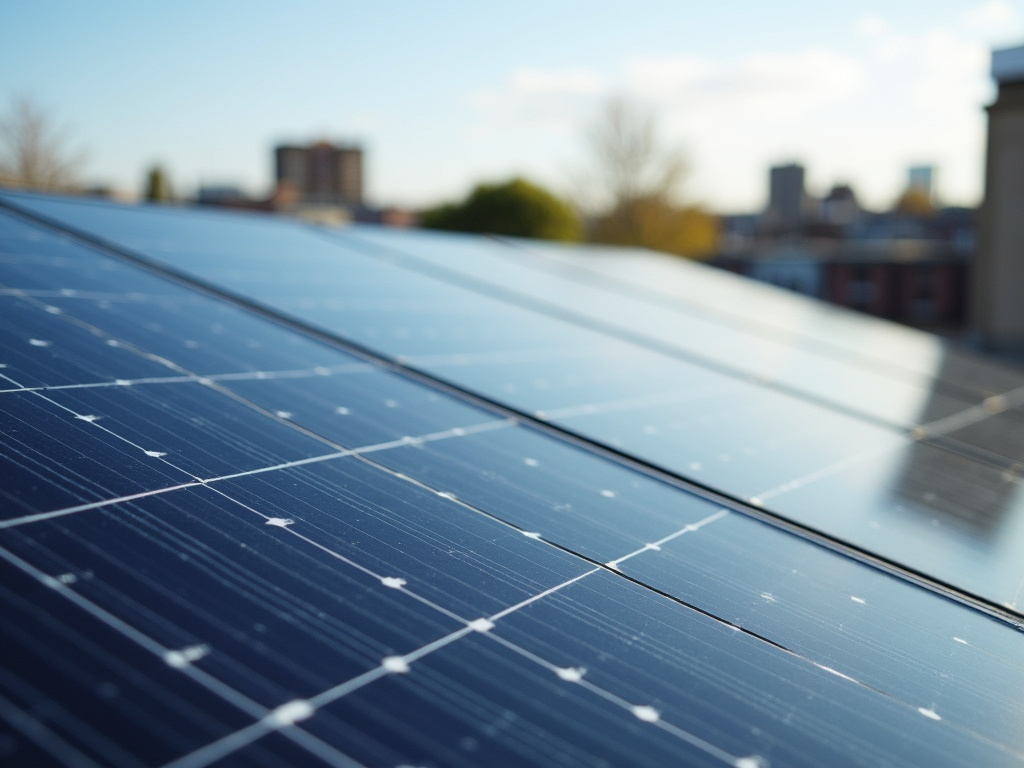
Solar panels, typically mounted on rooftops or nearby structures, absorb sunlight during the day. These panels convert sunlight into electricity through photovoltaic (PV) cells. The generated power is stored in batteries and used to power LED lighting fixtures during the night or in low-light conditions, ensuring optimal visibility for passengers.
Is solar lighting at bus stations cost-effective?
Absolutely. While the initial installation costs can be high, solar lighting systems offer long-term savings. Energy bills are eliminated, and with government incentives and rebates, the payback period is relatively short. Moreover, solar energy is free and abundant, making it a wise investment for bus station operators looking to reduce operational costs.
Can solar lighting provide adequate illumination for bus station safety?
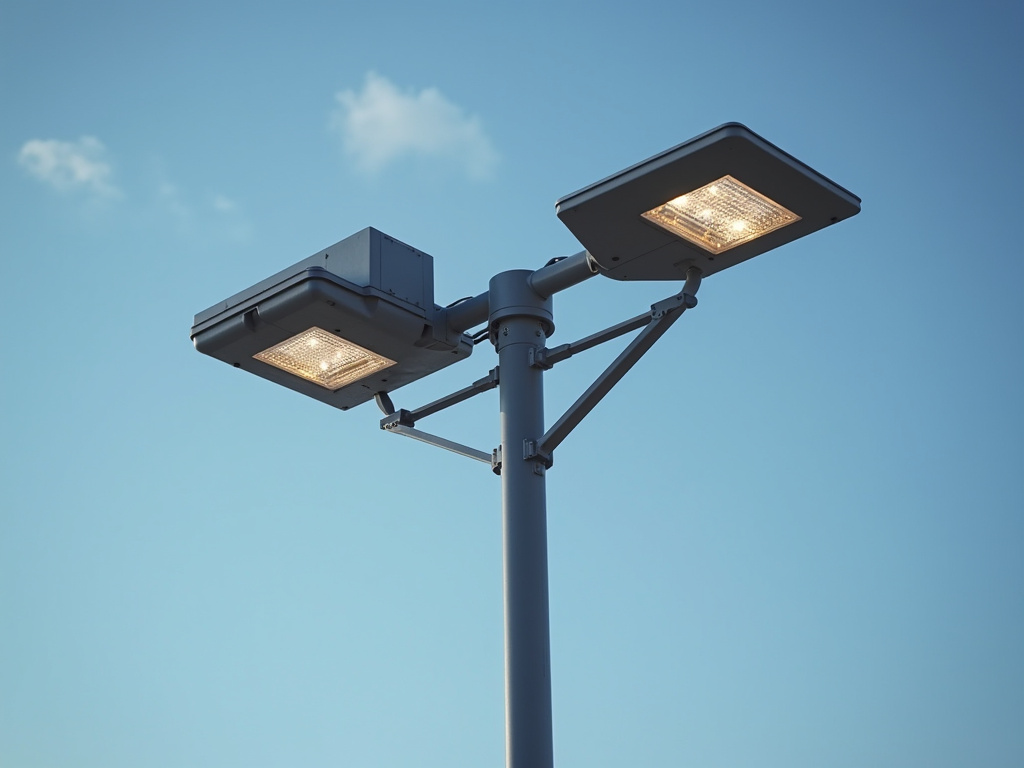
Definitely. High-efficiency LED lights used in solar lighting systems produce bright, focused illumination, ensuring excellent visibility. This is crucial for passenger safety, especially in areas with high foot traffic. Well-lit bus stations help deter crime, improve wayfinding, and make the overall passenger experience more secure and convenient.
How do solar lights perform in different weather conditions?
Solar lights are designed to withstand various weather conditions. They are built to be durable and resilient, with waterproof seals and robust materials. Even on cloudy days, the panels can still generate some power, and the battery backup ensures consistent lighting. In extreme weather, the lights may dim slightly, but they remain functional, providing a reliable lighting solution year-round.
Are there any maintenance requirements for solar bus station lighting?
Minimal maintenance is required. Solar panels and lights need periodic cleaning to ensure optimal performance. Other than that, the systems are low-maintenance, with no moving parts or complex mechanisms. Regular checks and battery maintenance are essential, but these tasks are straightforward and can often be performed by in-house staff or local technicians.
Can solar lighting be integrated with smart city infrastructure?
Absolutely. Solar lighting systems can be connected to smart city networks, enabling remote monitoring, energy management, and real-time data analysis. This integration allows for efficient energy distribution, optimized lighting control, and improved overall bus station management, contributing to a smarter and more efficient urban environment.
Bus station solar lighting represents a promising solution for enhancing urban mobility hubs while promoting sustainable energy practices. By leveraging the power of sunlight, these systems offer a cost-effective and environmentally friendly alternative to traditional lighting methods. Through strategic design and installation considerations, such as optimizing panel placement, integrating battery storage, and utilizing efficient LED fixtures, bus stations can achieve maximum energy harvesting and reduced carbon footprints. While challenges remain, including initial costs and maintenance, the benefits—from energy independence to reduced light pollution—are significant. As technology advances and awareness grows, Bus Station Solar Lighting is poised to revolutionize urban transportation infrastructure, setting a precedent for greener, more sustainable public spaces worldwide.