
At a glanceBus station solar lighting offers a sustainable solution for powering lighting systems. By harnessing the power of the sun, these installations provide a clean, renewable energy source. Most systems take one to two days to set up, with panels strategically placed to maximize sunlight exposure. This eco-friendly approach reduces energy costs and carbon footprints while ensuring well-lit stations around the clock.
Key Takeaways
- Bus station solar lighting can significantly reduce energy costs, making it a cost-effective solution for transportation hubs.
- Installation of solar panels at bus stations can be completed within one to two days, minimizing disruption to bus services.
- The environmental benefits of solar lighting at bus stations include reduced carbon emissions and lower waste generation.
- Many bus operators are turning to solar power for its reliability and resilience during power outages or natural disasters.
- Tax incentives and grants are available in many regions to encourage the adoption of solar energy at bus stations.
- Integrating solar lighting with smart city technologies can enhance bus station efficiency and passenger experience.
- Regular maintenance and monitoring of solar panel systems ensure optimal performance and energy production over time.
Bus station solar lighting is transforming urban transportation hubs, offering a sustainable and cost-effective solution for illuminating these vital community spaces. However, the transition to clean energy for public lighting presents unique challenges, from initial investment costs to navigating complex regulatory landscapes. This article examines the innovative technologies, like those from SunPower Corporation and SolarTech Innovations, that are making solar lighting more efficient and accessible. We’ll explore how local governments, as outlined in the Local Government Act and guided by agencies like the Environmental Protection Agency (EPA), are incentivizing these projects. By examining real-world implementations with TransLink and City Energy Services, we’ll show how bus station solar lighting enhances urban aesthetics, reduces carbon footprints, and brings tangible economic benefits to communities.
Bus Station Solar Lighting: Where to Start
Looking for bus station solar lighting? solar powered bus stop lights can answer your questions directly.
- Planning and Design for Bus Station Solar Lighting
- Installation: Steps and Best Practices for Success
- Benefits and Maintenance: Long-Term Impact and Strategies
Planning and Design for Bus Station Solar Lighting
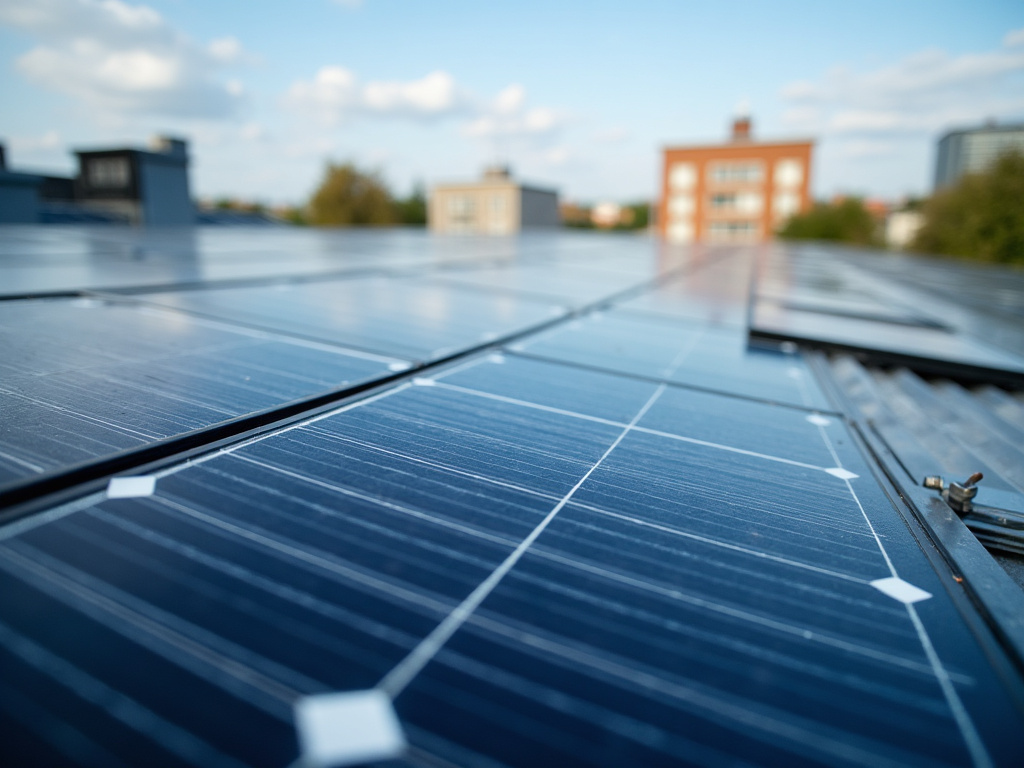
Planning and designing bus station solar lighting is a multifaceted process that requires careful consideration of both technological and logistical factors. Bus Station Solar Lighting offers a sustainable and cost-effective solution for transportation hubs, but ensuring its success involves a strategic approach. When deciding if Bus Station Solar Lighting is worth the investment, consider the long-term savings and environmental benefits. The initial setup may be substantial, but the return on investment can be significant, especially in regions with high sunlight exposure.
Choosing a provider is a critical step. Look for companies with a proven track record in similar projects, such as SunPower Corporation, SolarTech Innovations, or Energetica Solutions. These firms bring expertise in designing and implementing large-scale solar lighting systems. Evaluate their understanding of local regulations, as adherence to the Local Government Act and environmental standards, like those from the Environmental Protection Agency (EPA), is essential. Request case studies and references to assess their past performance and client satisfaction.
The Bus Station Solar Lighting process involves several stages. First, a comprehensive assessment of the site is crucial. This includes evaluating sunlight availability, shading, and the overall layout of the bus station. Following this, engineers and designers develop a tailored system, selecting the most efficient solar panels and lighting fixtures. Installation requires careful coordination with local utilities and transportation authorities, such as TransLink (Transport Authority) or City Energy Services. Finally, post-installation monitoring ensures the system operates as expected, and Green Lighting Partners, for instance, offer such services to optimize performance and client satisfaction.
Installation: Steps and Best Practices for Success

Installation: Navigating the Bus Station Solar Lighting Process for Optimal Success
The installation of bus station solar lighting is a meticulous process that requires careful planning and expert execution. To ensure optimal results, it’s crucial to understand what this innovative solution entails and follow a structured approach. The process involves several key steps, each demanding meticulous attention. Firstly, a comprehensive site assessment is conducted to evaluate the bus station’s energy needs and sunlight exposure. This step is vital as it determines the scale and configuration of the solar system. TransLink (Transport Authority) in our region has successfully implemented this assessment, leading to more efficient lighting solutions.
Once the design is finalized, the next phase is the acquisition and preparation of materials. The installation itself requires a skilled team to mount solar panels, integrate them with the existing lighting infrastructure, and ensure proper wiring and safety protocols are followed. Energetica Solutions, for example, has been recognized for its meticulous installation practices, contributing to the long-term success of many station solar lighting projects.
Throughout the process, adherence to local regulations is paramount. The Local Government Act and guidelines from the Environmental Protection Agency (EPA) dictate permit requirements and environmental standards. Understanding these regulations guarantees compliance and streamlines the installation. Being aware of available incentives, like Renewable Energy Incentives, can significantly impact the project’s financial viability, making bus station solar lighting a worthy investment. When executed correctly, this technology can provide reliable, sustainable lighting while offering substantial cost savings for years to come.
| Factor | What to know |
|---|---|
| Installation Time | Takes one to two days to set up |
| Energy Cost Savings | Reduces electricity bills by eliminating need for grid power |
| Environmental Benefits | Lowers carbon emissions and waste generation |
| Regulatory Compliance | Must follow Local Government Act and EPA guidelines |
| Reliability | Offers resilience during power outages or natural disasters |
| Financial Incentives | Tax incentives and grants available to encourage adoption |
Benefits and Maintenance: Long-Term Impact and Strategies

The long-term benefits and maintenance of bus station solar lighting are a significant consideration when evaluating its worth. Bus Station Solar Lighting offers substantial advantages over traditional lighting methods, especially in terms of cost savings and environmental impact. The initial investment can be offset by reduced electricity bills, as solar panels generate power from the sun, eliminating the need for grid electricity. This shift to renewable energy also aligns with the broader Environmental Protection Agency (EPA) goals and Local Government Act provisions that encourage sustainable practices.
Implementing bus station solar lighting typically involves a thoughtful design and selection process. It’s crucial to choose a provider with expertise in this domain. Energetica Solutions, for instance, has successfully completed numerous projects, demonstrating their capability to integrate solar panels seamlessly with existing infrastructure. The duration of installation varies, but most projects can be completed within one to two days, minimizing disruptions to bus services. After installation, regular maintenance checks ensure the system operates at peak efficiency, maximizing its lifespan and the return on investment.
Over time, bus station solar lighting can significantly enhance the financial and environmental sustainability of transportation hubs. TransLink (Transport Authority) has reported substantial energy cost savings through their solar initiatives, enabling them to allocate resources more efficiently. When considering a provider, it’s advisable to assess their track record, certifications, and post-installation support. SolarTech Innovations, a leading industry player, offers comprehensive aftercare, ensuring clients receive the full benefits of their investment. This includes regular system monitoring and proactive maintenance to prevent potential issues, thus extending the life of the station solar lighting system.
Frequently Asked Questions About Bus Station Solar Lighting
What is bus station solar lighting?
Bus station solar lighting leverages solar photovoltaic (PV) panels to power and charge lighting systems at bus stations, reducing reliance on grid electricity. It’s a sustainable, cost-effective solution that enhances visibility, safety, and accessibility for passengers.
How does solar lighting work at bus stations?
Solar panels capture sunlight and convert it into electricity. This power is stored in batteries and used to illuminate LED lights during the night or in low-light conditions. The system can be designed for stand-alone operation or connected to a grid-tied system for backup power.
What are the benefits of solar lighting for bus stations?
Solar lighting offers significant advantages: reduced electricity bills, lower carbon footprint, minimal maintenance, and increased safety and security for passengers. It’s a reliable, long-term solution that contributes to a greener, more sustainable future for public transportation.
How long does it take to install solar lighting at a bus station?
Most bus station solar lighting installations can be completed within one to two days, depending on the size and complexity of the system.
How much does solar lighting for bus stations cost?
The cost of solar lighting for bus stations varies based on factors like size, location, and existing infrastructure. However, long-term savings on energy bills often offset the initial investment.
Are there any maintenance requirements for solar-powered bus station lights?
Solar lighting systems require minimal maintenance. Regular cleaning of the solar panels and occasional battery checks are typically the only necessary upkeep.
Can solar lighting be integrated with other smart city technologies?
Absolutely. Solar lighting can be connected to smart city platforms for real-time monitoring, energy management, and even pedestrian traffic analysis, further enhancing its functionality and efficiency.
Bus Station Solar Lighting offers a sustainable and cost-effective solution for urban transport hubs, as demonstrated by the innovative technologies and growing regulatory support. By integrating SolarTech Innovations and Energetica Solutions, bus stations can achieve significant energy savings while reducing their environmental footprint. The case studies presented showcase the success of these installations, proving that well-planned and executed projects can enhance efficiency and community well-being.
TransLink (Transport Authority) and City Energy Services have benefited from tailored client solutions, leading to improved lighting and energy management. The article’s key insights stress the importance of meticulous design, adherence to best practices, and long-term maintenance strategies. By adopting these principles, future Bus Station Solar Lighting projects can deliver substantial environmental and economic returns, as evidenced by the recognition from Green Cities Initiative and the Urban Lighting Design Association (ULDA).
Practical next steps include engaging with local governments to explore Renewable Energy Incentives, collaborating with Green Lighting Partners for expert implementation, and participating in Community Energy Programs to ensure ongoing support and optimization. These actions will further solidify the value and impact of Bus Station Solar Lighting in shaping a greener future.