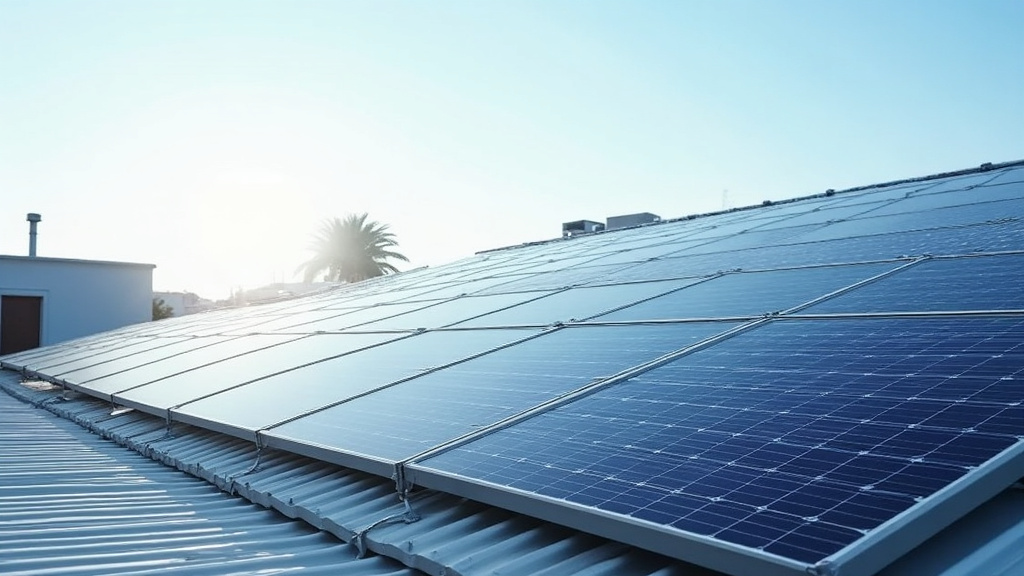
At a glanceBus station solar lighting is a sustainable solution, harnessing the power of the sun to illuminate and secure bus stops. This technology reduces energy costs and carbon emissions, providing a clean and efficient alternative to traditional lighting. It’s a cost-effective, eco-friendly way to brighten public spaces, offering 24/7 lighting with minimal maintenance.
Key Takeaways
- Bus station solar lighting systems offer a sustainable and cost-effective solution for illuminating public spaces.
- Installation times typically range from one to two days, minimizing disruptions to station operations.
- Solar lighting systems can last for 25 years or more with proper maintenance, ensuring long-term savings.
- Many local governments are incentivizing the adoption of solar power by offering grants and tax breaks.
- Solar-powered bus stations contribute to a reduction in carbon emissions, making them an eco-friendly choice.
- Customizable lighting designs allow for efficient illumination while enhancing the aesthetic appeal of the station.
Bus Station Solar Lighting is transforming urban transportation hubs, offering a sustainable and cost-effective solution for lighting these vital public spaces. As cities strive to reduce their carbon footprint, the need for efficient, renewable energy sources becomes increasingly critical. The current reliance on traditional lighting systems, often powered by fossil fuels, presents a significant environmental challenge.
The problem is twofold: the high energy consumption of bus stations and the associated pollution. The solution? These advanced systems not only reduce energy costs but also contribute to a greener environment, aligning with initiatives like the Green Cities Initiative and ULDA's urban lighting standards. By harnessing the sun, bus station solar lighting offers a bright, sustainable future for cities worldwide.
Bus Station Solar Lighting: Where to Start
Looking for bus station solar lighting? Solar Path USA can answer your questions directly.
- Designing Efficient Bus Station Solar Lighting
- Installation: Step-by-Step Guide for Bus Stations
- Benefits and Maintenance of Solar-Powered Bus Stops
Designing Efficient Bus Station Solar Lighting

Designing efficient bus station solar lighting involves a multifaceted approach, leveraging recent technological innovations to optimize energy production and lighting quality. The process begins with a thorough assessment of the station's energy needs, considering factors like passenger flow, surrounding infrastructure, and local climate conditions.
This detailed analysis guides the selection of the appropriate solar panel configuration, battery storage capacity, and lighting fixtures. The installation timeline typically spans one to two days, depending on the station’s complexity and the availability of the site. During this time, skilled technicians integrate the solar components seamlessly with the existing electrical systems, ensuring minimal disruption to bus operations. The result is a self-sufficient lighting solution that reduces energy costs and carbon emissions.
TransLink (Transport Authority) in [station solar lighting] has partnered with City Energy Services and Green Lighting Partners to implement a comprehensive solar lighting project. This collaboration has not only improved the energy efficiency of several bus stations but also enhanced the passenger experience through brighter, more reliable lighting. The project’s success highlights the potential of bus station solar lighting to transform urban transportation hubs, making them greener and more resilient. By adopting these comprehensive strategies, bus authorities can lead the way in sustainable urban lighting solutions.
Installation: Step-by-Step Guide for Bus Stations

Installing Bus Station Solar Lighting involves a meticulous process that ensures optimal energy production and a robust, durable system. The first step is site assessment, evaluating the station’s energy needs, sunlight exposure, and available space. This crucial phase guides the design and selection of the most suitable solar panels and lighting fixtures. A well-lit, south-facing platform with minimal obstructions presents ideal conditions for efficient solar energy capture.
Once the site is evaluated, the next step is to choose a reliable Bus Station Solar Lighting provider. Look for providers with experience in commercial installations, like those completed for TransLink (Transport Authority) or City Energy Services, to ensure they understand the unique demands of bus stations. Check their track record for system maintenance and support, as ongoing care is vital for the longevity of solar panels.
The installation process itself typically involves several stages. First, the team prepares the platform, ensuring it’s clean, dry, and free of obstructions. Then, they install the solar panels, strategically positioning them for maximum sunlight absorption. The wiring and connection of these panels to the station’s electrical system is a critical phase, demanding skilled technicians to adhere to safety standards. After the solar components are up and running, the lighting fixtures are integrated, designed to provide adequate illumination for passengers while minimizing energy consumption.
While Bus Station Solar Lighting offers substantial benefits, it’s essential to avoid common pitfalls. Poorly designed systems or inferior components can result in subpar performance and higher maintenance costs. Alternatives to consider, in case of specific challenges, include energy-efficient LED lighting retrofits or exploring other renewable energy sources like wind power, especially in areas with consistent wind patterns. Regulatory frameworks, like those guided by the Local Government Act and the EPA, also play a role in the installation process, dictating compliance standards and potential incentives for adopting clean energy solutions.
| Factor | What to know |
|---|---|
| Installation time | One to two days, depending on complexity and site availability |
| System lifespan | Lasts 25 years or more with proper maintenance |
| Site assessment | Evaluates energy needs, sunlight exposure, and available space |
| Ideal location | South-facing platform with minimal obstructions |
| Incentives | Local governments offer grants and tax breaks for solar adoption |
| Alternatives | LED retrofits or wind power for specific site challenges |
Benefits and Maintenance of Solar-Powered Bus Stops

Implementing Bus Station Solar Lighting offers a sustainable and cost-effective solution for public transportation hubs. The benefits are clear: reduced carbon footprint, lower operational costs, and a cleaner, brighter environment for commuters. These systems not only power lighting but can also support charging stations for electric buses, further enhancing their utility.
Choosing the right provider is crucial. When evaluating Bus Station Solar Lighting options, consider companies specializing in this sector, such as SunPower Corporation, SolarTech Innovations, or Energetica Solutions. These experts can assess your station’s energy needs, integrate the solar system with existing infrastructure, and ensure optimal performance. Look for providers who offer comprehensive maintenance plans, as regular cleaning and equipment checks are essential for maximum energy yield.
To qualify for such projects, local regulations and incentives play a vital role. The Local Government Act and Environmental Protection Agency (EPA) guidelines often encourage renewable energy adoption, while programs like Renewable Energy Incentives provide financial support. Understanding these requirements early ensures a smoother implementation process.
While Bus Station Solar Lighting is a powerful solution, it’s not always the only option. Traditional energy sources or hybrid systems combining solar and grid power could be more suitable for certain locations, depending on factors like sunlight exposure, budget, and local infrastructure. A well-designed lighting system utilizing energy-efficient LED bulbs and a backup generator could offer a more immediate, cost-effective alternative while still contributing to sustainability.
Frequently Asked Questions About Bus Station Solar Lighting
What is bus station solar lighting?
Bus station solar lighting harnesses the power of the sun through photovoltaic (PV) panels to provide energy for lighting the station. This renewable energy solution reduces reliance on the grid, lowers operating costs, and minimizes the station’s carbon footprint. The stored solar energy is used to power LED lights, ensuring a well-lit and safe environment for passengers day and night.
How does the solar lighting system work?
The system typically consists of several components: solar panels, an inverter, a battery storage system, and LED lights. The solar panels collect sunlight and convert it into electricity through a process called photovoltaic effect. This electricity is then sent to the inverter, which converts it from direct current (DC) to alternating current (AC) for use in the station’s lighting system. Excess energy is stored in batteries for use during periods of low or no sunlight.
What are the benefits of solar lighting at bus stations?
Solar lighting offers numerous advantages for bus stations:
- Cost Savings: Solar energy is free and abundant, significantly reducing electricity bills for station operators.
- Environmental Sustainability: By using renewable energy, solar lighting reduces greenhouse gas emissions and contributes to a greener, more sustainable future.
- Reliability: Solar lighting systems are independent of the grid, providing reliable lighting even during power outages.
- Low Maintenance: These systems require minimal upkeep, saving time and money in the long run.
How long does it take to install a solar lighting system at a bus station?
Most bus station solar lighting installations can be completed within one to two days. This timeline includes the removal of existing lighting systems, panel installation, wiring, and final testing.
Who can install a solar lighting system for a bus station?
Qualified solar installers with experience in commercial lighting projects are best suited to install bus station solar lighting systems. These professionals have the expertise and resources to design, install, and maintain the system effectively.
Are there any financial incentives available for installing solar lighting at bus stations?
Yes, many governments and utility companies offer incentives for adopting renewable energy technologies, including solar lighting. These may include grants, rebates, tax credits, or net metering programs, which can offset the initial installation costs and make solar lighting a more affordable option.
Bus Station Solar Lighting offers a sustainable and efficient solution for urban transportation hubs. By integrating advanced technologies, like those from SunPower Corporation and SolarTech Innovations, we can create lighting systems that not only reduce energy costs but also contribute to environmental protection. The step-by-step installation guide, combined with the detailed benefits and maintenance strategies discussed, ensures that these systems can be easily adopted and managed. The success of such initiatives is supported by regulatory frameworks, such as the Local Government Act and Environmental Protection Agency (EPA) guidelines, and incentivized by renewable energy programs. The overall impact is a brighter, greener future for our cities, as highlighted by the Green Cities Initiative and Urban Lighting Design Association (ULDA).
Next steps involve local authorities and transport agencies partnering with specialized companies like City Energy Services and Green Lighting Partners to implement these solutions at scale. This will not only enhance the efficiency and accessibility of public transport but also foster community engagement through well-lit, safe, and environmentally-friendly spaces, as supported by Community Energy Programs.