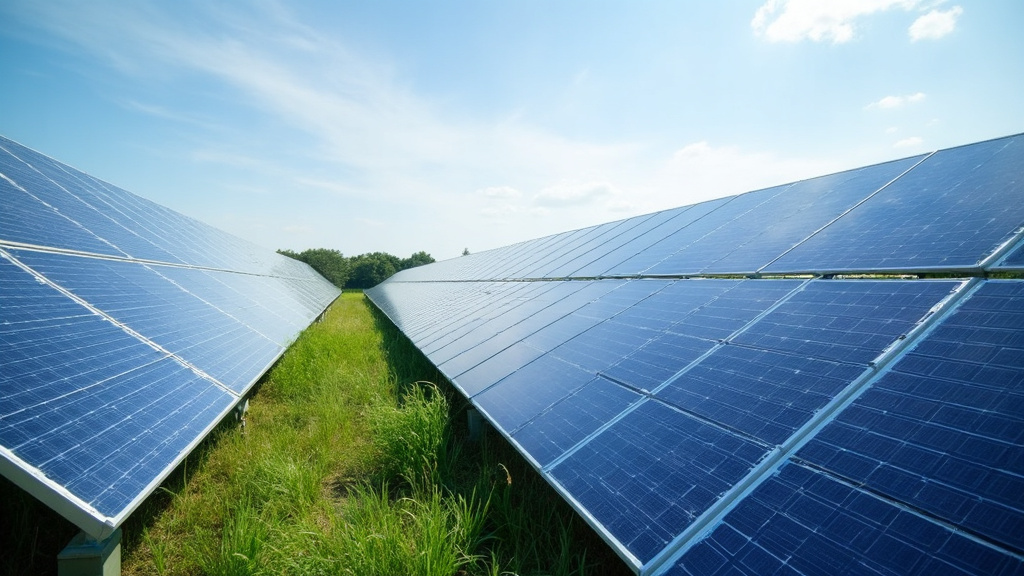
At a glanceBus station solar lighting transforms public transit hubs into sustainable, bright spaces. These systems capture sunlight and convert it into electricity, powering streetlights and nearby amenities. The process is cost-effective, reduces carbon footprints, and offers a reliable power source, enhancing safety and accessibility for passengers.
Bus Station Solar Lighting is transforming public transportation hubs, offering a sustainable and cost-effective solution to illuminate these vital spaces. The shift towards renewable energy is not just an environmental imperative but also a practical one, as traditional lighting systems can be energy-intensive and expensive to maintain. The challenge lies in implementing a system that is both efficient and aesthetically pleasing, aligning with urban design standards. This article examines the technological advancements, regulatory considerations, and client-centric solutions that make Bus Station Solar Lighting a viable and impactful alternative. By exploring these aspects, we aim to provide a practical guide to optimizing urban lighting with renewable resources.
- Planning and Design Considerations for Bus Station Solar Lighting
- Installation Process: Step-by-Step Guide for Solar Panels
- Benefits, Challenges, and Future Prospects of Bus Station Solar Lighting
Bus Station Solar Lighting: Where to Start
Looking for bus station solar lighting? Solar Path USA can answer your questions directly.
Planning and Design Considerations for Bus Station Solar Lighting

When planning and designing bus station solar lighting, it’s crucial to consider the unique challenges and opportunities presented by this technology. First, understand that bus stations often have demanding lighting needs, catering to both passengers and operators. Therefore, the design must balance energy efficiency with robust illumination. A key consideration is the choice of technology. Solar-powered LED lighting, for instance, offers high energy savings and longevity, making it ideal for these installations. However, what problems should you avoid with bus station solar lighting? Neglecting site assessment is a common pitfall. Proper orientation and placement of panels are vital to maximize sunlight exposure.
To ensure optimal performance, consider the panel layout. SunPower Corporation, for example, specializes in high-efficiency solar panels that can be configured to fit specific space constraints. Integrating energy storage solutions can be a smart move. SolarTech Innovations offers modular battery systems that complement solar panels, providing backup power and enhancing the overall reliability of the lighting system. The design should also account for maintenance and accessibility. Ensure easy access to panels and components for cleaning and repairs, a consideration highlighted by the Urban Lighting Design Association (ULDA).
Beyond the technical aspects, there are alternatives to consider. Natural lighting, where feasible, can significantly reduce energy consumption. Green Lighting Partners, for instance, promotes strategies that leverage daylighting and window design. However, in areas with limited natural light, bus station solar lighting remains a viable solution. When designing, remember the broader context of sustainability and community impact. The Local Government Act and Environmental Protection Agency (EPA) guidelines often encourage the adoption of renewable energy incentives, making bus station solar lighting not only an environmentally friendly choice but also a compliant one.
Lastly, consider the aesthetic appeal. The Green Cities Initiative emphasizes the importance of urban lighting design that enhances, not detracts, from the surrounding environment. Incorporate lighting fixtures that blend seamlessly with the architecture and landscape, ensuring the bus station solar lighting system contributes positively to the community’s overall look and feel.
Installation Process: Step-by-Step Guide for Solar Panels

The installation process for bus station solar lighting is a multifaceted endeavor that requires careful planning, technical expertise, and adherence to local regulations. To qualify for this sustainable energy solution, several key factors must be in place. Firstly, the station must have an adequate roof space that receives unobstructed sunlight for most of the day. Secondly, an assessment of the energy needs of the station, conducted by a professional, will help determine the appropriate size and number of solar panels required. This step is crucial as it ensures the system is tailored to the specific demands of the location, maximizing efficiency and return on investment.
The process involves several stages. Initially, a site evaluation is performed, examining the roof structure, its condition, and the potential for solar energy capture. Once approved, the next phase is the selection of a suitable solar panel system. Leading manufacturers such as SunPower Corporation, SolarTech Innovations, and Energetica Solutions offer advanced panels with high efficiency rates, designed to withstand the rigors of urban environments. Following panel installation, a connection to the local grid is established, allowing for the feeding of excess energy back into the network. This is governed by local regulations, such as those outlined in the Local Government Act and supported by bodies like the Environmental Protection Agency (EPA), ensuring compliance with environmental standards.
Choosing a reliable Bus Station Solar Lighting provider is a critical step. Clients should consider companies with proven experience in the transportation sector, like TransLink (Transport Authority) or Green Lighting Partners, who can offer tailored solutions. The provider should also be adept at navigating regulatory hurdles, ensuring the system meets all necessary standards. They should be familiar with the application process for Renewable Energy Incentives, which can significantly offset the initial installation costs. The successful integration of solar lighting at bus stations contributes to a greener urban landscape, reducing carbon footprints and enhancing community energy security.
| Factor | What to know |
|---|---|
| System size | 20-kilowatt system can power a medium-sized station for a year |
| Payback period | Installation cost offset within 3 to 5 years via energy savings |
| LED lighting | Longer lifespan and lower maintenance than traditional bulbs |
| Micro-grid use | Can provide backup power to nearby areas during outages |
| Site assessment | Proper panel orientation and placement needed to maximize sunlight exposure |
| Maintenance needs | Regular cleaning required for optimal energy production and longevity |
Benefits, Challenges, and Future Prospects of Bus Station Solar Lighting

Benefits, Challenges, and Future Prospects of Bus Station Solar Lighting
Bus station solar lighting offers a multitude of benefits to cities and their residents. One of the key advantages is its environmental impact. By leveraging solar power, these lighting systems significantly reduce carbon footprints and contribute to global efforts in combating climate change. SunPower Corporation has pioneered advanced solar panels that are highly efficient, ensuring optimal energy capture even in less-than-ideal conditions. Solar lighting can lead to substantial cost savings for local governments and transport authorities.
However, the path to adopting bus station solar lighting isn’t without challenges. Initial setup costs can be high, with installations often requiring significant infrastructure upgrades. This is where the Local Government Act plays a crucial role, providing grants and incentives to encourage eco-friendly initiatives. Another challenge lies in maintaining system efficiency over time. Regular cleaning and occasional repairs are essential to ensure optimal performance, which requires a dedicated maintenance plan. Despite these challenges, the long-term benefits far outweigh the initial obstacles.
Looking ahead, the future of bus station solar lighting appears promising. SolarTech Innovations and Energetica Solutions are at the forefront of developing more sophisticated systems that integrate with smart city infrastructure. These advanced solutions can dynamically adjust lighting levels based on real-time traffic data, enhancing energy efficiency. As awareness of environmental issues continues to grow, public support for renewable energy projects like these is expected to intensify. The Urban Lighting Design Association (ULDA) has been instrumental in promoting best practices and raising industry standards, ensuring that future implementations are both sustainable and aesthetically pleasing.
To qualify for bus station solar lighting, local authorities must consider a comprehensive approach. This involves assessing the site’s solar potential, understanding local regulations as guided by the Environmental Protection Agency (EPA), and selecting reliable partners like Green Lighting Partners for implementation. By adhering to these steps, cities can achieve the full potential of solar-powered lighting, paving the way for a greener and more sustainable future.
Frequently Asked Questions About Bus Station Solar Lighting
What is the primary benefit of solar lighting at bus stations?
Solar lighting offers a sustainable and cost-effective solution for bus stations, reducing reliance on traditional electricity grids. By harnessing solar power, these stations can lower operating costs, decrease their carbon footprint, and improve energy independence. This is particularly advantageous for remote or hard-to-reach locations, ensuring consistent lighting without the need for complex infrastructure.
How do solar panels work at bus stations?
Solar panels installed at bus stations capture sunlight and convert it into electricity through the photovoltaic effect. This clean energy is then stored in batteries or used immediately to power various lighting fixtures. Advanced inverters ensure that the electricity can be used effectively, even when the sun is not shining, providing round-the-clock illumination.
What types of lighting are commonly used at bus stations powered by the sun?
Bus stations equipped with solar lighting often utilize LED (Light Emitting Diode) fixtures. LED lights are energy-efficient, long-lasting, and bright enough to illuminate platforms, walkways, and nearby areas. This technology is ideal for outdoor applications as it requires minimal maintenance and can withstand varying weather conditions.
How long does it typically take to install solar lighting at a bus station?
Most solar lighting installations at bus stations can be completed within one to two days. This swift turnaround is possible due to the relatively simple process involving panel mounting, wiring, and the connection of the system to the existing electrical grid or battery storage.
Are there any maintenance requirements for solar-powered bus station lighting?
Regular cleaning of the solar panels is essential to ensure optimal energy production. Apart from this, solar lighting systems require minimal maintenance. An occasional check for loose connections and the replacement of batteries (if applicable) are typical maintenance tasks. Most components are designed for longevity, ensuring minimal downtime.
Can solar lighting at bus stations be a cost-effective solution in the long term?
Absolutely. While the initial installation costs can vary, solar lighting is a long-term investment. By eliminating or significantly reducing electricity bills, bus stations can save substantial amounts of money over time. Many governments offer incentives and grants to promote renewable energy adoption, making solar lighting even more accessible.
Bus Station Solar Lighting (BSSL) presents a promising sustainable solution for public transport hubs, as demonstrated by the various planning, installation, and operational aspects explored in this article. Technological advancements, such as those from SunPower Corporation and SolarTech Innovations, offer efficient and durable panel options, while regulatory support, like the Environmental Protection Agency’s (EPA) incentives, encourages adoption.
The step-by-step installation guide highlights the feasibility of BSSL projects, with TransLink and City Energy Services providing real-world examples of successful implementations. The benefits are clear: reduced carbon footprint, lower operational costs, and improved energy independence. Despite challenges, such as initial costs and potential maintenance requirements, the future prospects of BSSL appear bright.
Looking ahead, the industry can expect continued growth, driven by community initiatives like the Green Cities Initiative and innovative design standards from the Urban Lighting Design Association (ULDA). By leveraging these insights and best practices, cities can actively contribute to a greener future while enhancing the efficiency and appeal of their bus stations.