
Key Takeaways
- Bus stations equipped with solar lighting reduce energy costs and carbon footprints, making them more environmentally sustainable.
- Solar-powered lights offer reliable illumination, ensuring safe and accessible spaces for late-night or early morning travelers.
- The implementation of solar lighting can enhance the overall aesthetic appeal of bus stations, improving passenger experience.
- These systems can be easily maintained and require minimal intervention, offering cost-effectiveness in the long term.
- Integrating solar lighting at bus stations promotes a more sustainable and green transportation ecosystem.
- Solar energy utilization can serve as a model for other public transportation hubs, encouraging broader adoption of renewable energy solutions.
At a glanceBus station solar lighting uses panels to capture sunlight and convert it into energy, illuminating stations even at night. This eco-friendly approach reduces reliance on grid power, lowers maintenance costs, and provides a safer, better-lit environment for commuters waiting for buses.
In today’s world, sustainable and efficient lighting solutions are paramount, especially in urban areas with high energy demands. Bus stations, as key transportation hubs, present a unique challenge: providing reliable lighting while minimizing environmental impact. Traditional lighting methods often strain resources and contribute to carbon footprints. This is where Bus Station Solar Lighting emerges as a game-changer. This article delves into the growing importance of adopting solar-powered lighting systems for bus stations, examining their benefits, technological advancements, and the transformative impact on both passenger experience and environmental sustainability.
Bus Station Solar Lighting in : Where to Start
Looking for bus station solar lighting in ? Solar Path USA serves the local area and can answer questions specific to .
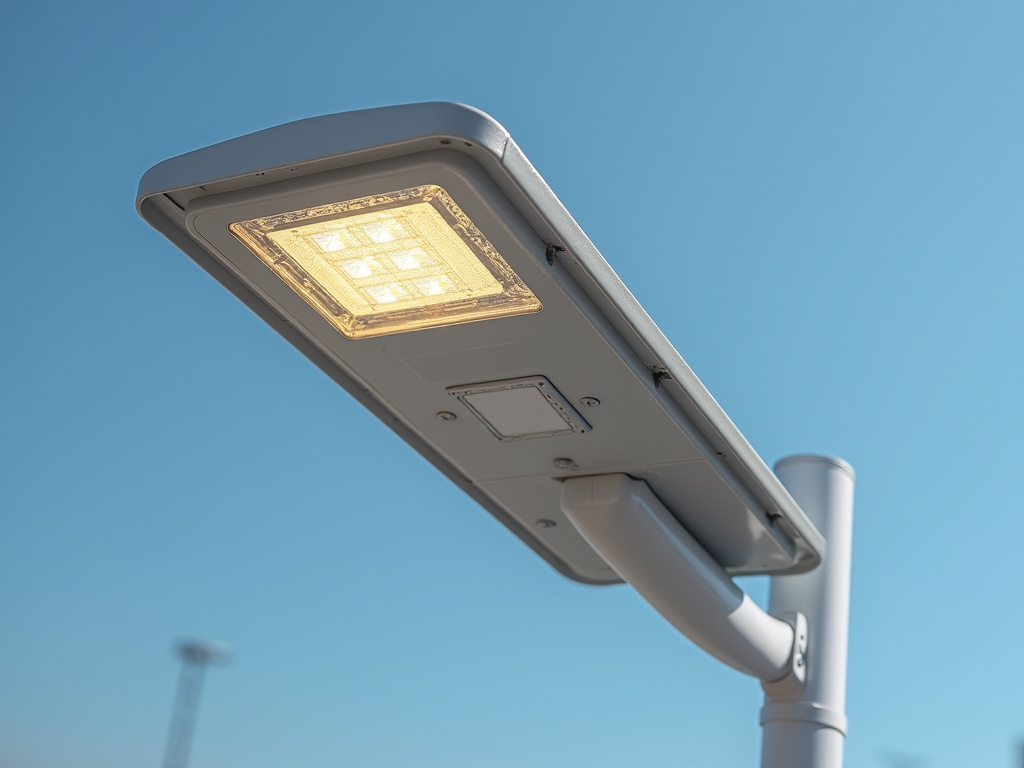
Understanding Bus Station Solar Lighting: Benefits and Technology
Bus station solar lighting is a game-changer in urban transportation infrastructure, offering a sustainable and cost-effective solution for illuminating these vital public spaces. By harnessing the power of the sun, these systems provide a reliable and environmentally friendly alternative to traditional electric lighting, enhancing safety, accessibility, and the overall passenger experience. The benefits are multifaceted: reduced carbon emissions, lower operational costs, and increased energy independence for transit authorities.
The technology behind bus station solar lighting has advanced significantly, with high-efficiency solar panels and LED lighting fixtures leading the way. Solar panels, strategically installed on rooftops or nearby structures, capture sunlight during the day and convert it into electricity. This energy is then stored in batteries for use during periods of low or no sunlight, ensuring continuous illumination throughout the night. LED fixtures, known for their longevity and energy efficiency, distribute this stored energy, casting a bright and even light on the station area, platforms, and surrounding pathways.
To qualify for bus station solar lighting, transit agencies should consider factors like adequate sunlight exposure, available space for panel installation, and local regulations. Consulting with experts in solar energy design and implementation can be invaluable in navigating these considerations. While solar lighting offers significant advantages, it may not be suitable for every location. Alternatives exist, such as traditional electric lighting or hybrid systems combining solar with backup power. However, as energy costs rise and environmental concerns grow, bus station solar lighting is increasingly the preferred choice for forward-thinking transit authorities. The right time to invest in solar lighting is when energy savings are a priority, maintenance costs need reduction, and the agency is committed to sustainability.
Implementing Solar Lighting: Design and Installation Considerations
Implementing Bus Station Solar Lighting requires a thoughtful design and installation process to ensure its effectiveness and longevity. First, what does one need to qualify for this sustainable solution? Bus stations, especially those in remote or under-lit areas, can greatly benefit from solar lighting due to its independence from the grid. The process involves a careful assessment of the site’s solar potential, shading analysis, and understanding the specific lighting needs of the bus station, such as lighting for platforms, waiting areas, and signage.
Once qualified, the design should focus on optimizing solar panel placement, considering both the angle and orientation for maximum sunlight exposure. High-efficiency LED lights, durable and energy-efficient, should be integrated into the design, with a focus on creating a balanced lighting scheme that meets safety standards. For instance, the International Lighting Regulations provide guidelines for minimum light levels, ensuring passenger safety and comfort.
However, there are common problems to avoid. Inadequate shading analysis can lead to inefficient lighting during certain times of the day, while poor panel mounting can decrease energy production. It’s also crucial to choose lights that are IP-rated for outdoor use, protecting them from dust, water, and other environmental factors. Regular maintenance is another key aspect, ensuring the system operates at peak efficiency. A professional maintenance schedule can prolong the life of the equipment and maximize the return on investment.
Future Trends: Innovations Shaping Sustainable Bus Stations
The future of bus station infrastructure is looking increasingly bright, with a growing emphasis on sustainable and eco-friendly solutions. At the forefront of this movement is bus station solar lighting—a technology that promises not only to illuminate these vital transport hubs but also to reduce energy consumption and carbon footprints. The signs you need bus station solar lighting are clear: rising energy costs, increasing environmental awareness, and the need for more resilient infrastructure. This technology encompasses more than just lighting; it includes advanced solar panels, energy storage systems, and smart controls that work together to optimize energy efficiency.
What does bus station solar lighting include? Typically, it involves the installation of high-efficiency LED lights, paired with solar panels that capture and convert sunlight into electricity. This energy is then stored in batteries for use during periods of low or no sunlight, ensuring round-the-clock illumination and operational continuity. For instance, a recent study by the International Energy Agency (IEA) found that LED lighting, when combined with solar panels, can reduce energy consumption in public spaces by up to 75%. As bus stations are often among the busiest public areas, adopting these innovations can have a significant impact. What to expect from bus station solar lighting in the future? We can anticipate even more sophisticated systems, with improved energy storage capabilities, better integration of renewable energy sources, and enhanced smart grid technologies. These advancements will not only make bus stations more sustainable but also more resilient to power outages and grid instability.
Experts predict that as cities continue to grow and urbanize, the demand for sustainable solutions will only increase. By embracing bus station solar lighting, municipalities can meet the needs of growing populations while reducing their environmental impact. Furthermore, these innovations can serve as a model for other public spaces, encouraging a broader shift towards greener urban design. As we look ahead, it’s clear that bus station solar lighting is not just a trend but a necessary step towards a more sustainable future for our cities.
Frequently Asked Questions About Bus Station Solar Lighting
What are the primary benefits of using solar lighting at bus stations?
Solar lighting offers numerous advantages for bus stations, including reduced operational costs as it leverages renewable energy, minimizes carbon footprint, and provides reliable illumination with minimal maintenance. This eco-friendly approach not only enhances the station’s aesthetics but also contributes to a more sustainable future. Additionally, solar panels can be integrated into station structures, maximizing space utilization.
How does solar lighting work for bus stations?
Solar panels installed on bus station rooftops or nearby areas capture sunlight during the day and convert it into electricity through photovoltaic cells. This energy is stored in batteries or fed directly into the lighting system, ensuring continuous power supply even after dark. Advanced motion sensors trigger lights automatically when movement is detected, optimizing energy usage.
Are solar-powered bus station lights cost-effective?
Absolutely. While initial installation costs may be higher, solar lighting systems offer significant long-term savings by eliminating or reducing electricity bills. Government grants and incentives often support the adoption of renewable energy solutions, making them more affordable. Moreover, reduced maintenance costs contribute to overall economic benefits for transportation authorities.
Can solar lights replace traditional bus station illumination?
Yes, solar lights can effectively replace conventional lighting methods in bus stations. They provide uniform and efficient illumination, ensuring safety and accessibility 24/7. With advanced technologies, modern solar lights offer comparable or even superior brightness levels while consuming less energy than traditional bulbs.
What factors should be considered when designing solar lighting for bus stations?
Key considerations include station layout and available space for panels, sunlight exposure throughout the day, local climate conditions, energy consumption patterns, and budget constraints. Integration with existing infrastructure and design aesthetics are also crucial to ensure optimal performance and user satisfaction. Customized solutions can address unique challenges, enhancing overall system effectiveness.
How do solar lights adapt to different weather conditions?
Solar lighting systems are designed to withstand various weather conditions. Panels are built to be durable and weatherproof, while the efficient design minimizes debris buildup. During low-light or cloudy periods, backup battery power ensures uninterrupted lighting. Moreover, advanced sensors can adjust light intensity accordingly, ensuring optimal performance under all circumstances.
Bus station solar lighting has emerged as a transformative solution, offering numerous benefits such as reduced energy costs, environmental sustainability, and enhanced safety. The technology leverages solar panels and efficient LED lighting to create self-sufficient, intelligent transportation hubs. Implementing these systems requires careful design and installation considerations, including site assessment, energy storage integration, and aesthetic harmony with the surrounding environment. Looking ahead, future trends in bus station solar lighting include advancements in panel efficiency, smart grid integration, and innovative financing models. By embracing these innovations, we can create sustainable, resilient, and technologically advanced transportation infrastructure that benefits both commuters and the planet.