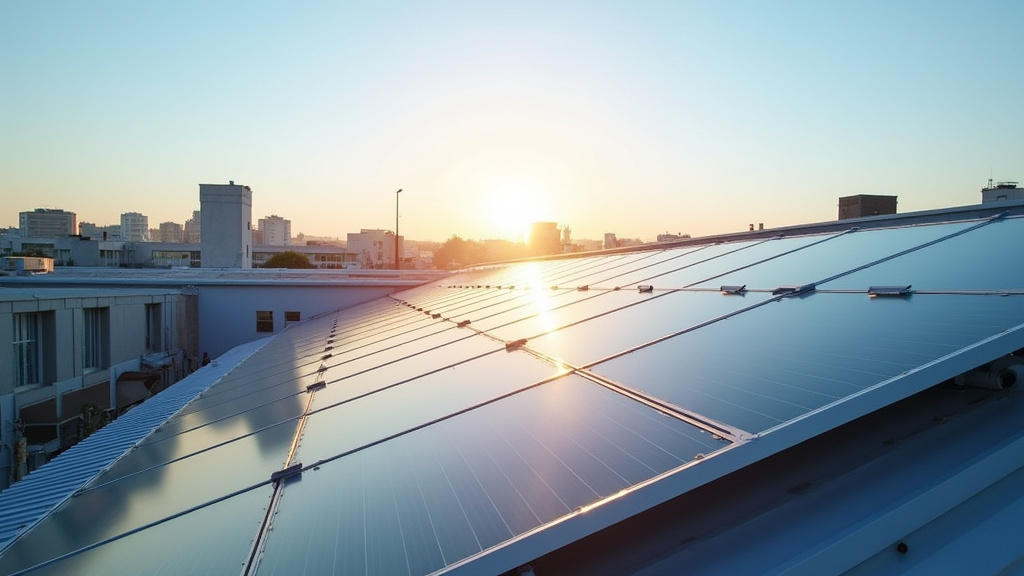
At a glanceBus station solar lighting powers itself using energy from the sun, providing sustainable and cost-effective illumination. This eco-friendly solution reduces reliance on traditional electricity grids, making it ideal for remote or underdeveloped areas where access to power is limited. Solar panels capture sunlight during the day, storing energy in batteries to light up stations at night.
Key Takeaways
- Bus stations equipped with solar lighting can significantly reduce energy consumption and carbon footprint.
- Solar-powered illumination offers a sustainable and cost-effective solution for urban transportation hubs.
- The technology enhances safety and accessibility, especially in remote or underdeveloped areas without grid electricity.
- Installation of solar bus stop lights contributes to a cleaner environment by eliminating the need for diesel generators.
- This green initiative can lead to reduced maintenance costs due to lower dependency on traditional power sources.
- Solar lighting at bus stations provides a reliable backup power source during power outages, ensuring continuous service.
- It encourages a more eco-friendly perception of public transportation, potentially increasing passenger satisfaction.
Bus stations are often overlooked when it comes to urban lighting, yet they serve as vital hubs connecting communities. The challenge lies in illuminating these spaces efficiently while reducing environmental impact. Enter Bus Station Solar Lighting—a sustainable and innovative solution gaining traction globally. With the rise of renewable energy, solar-powered lighting offers a clean, cost-effective alternative to conventional fixtures. This article delves into the design, benefits, and implementation strategies of Bus Station Solar Lighting, exploring how it transforms public spaces while promoting ecological stewardship.
Bus Station Solar Lighting in : Where to Start
Looking for bus station solar lighting in ? Solar Path USA serves the local area and can answer questions specific to .
Understanding Bus Station Solar Lighting: Benefits and Basics
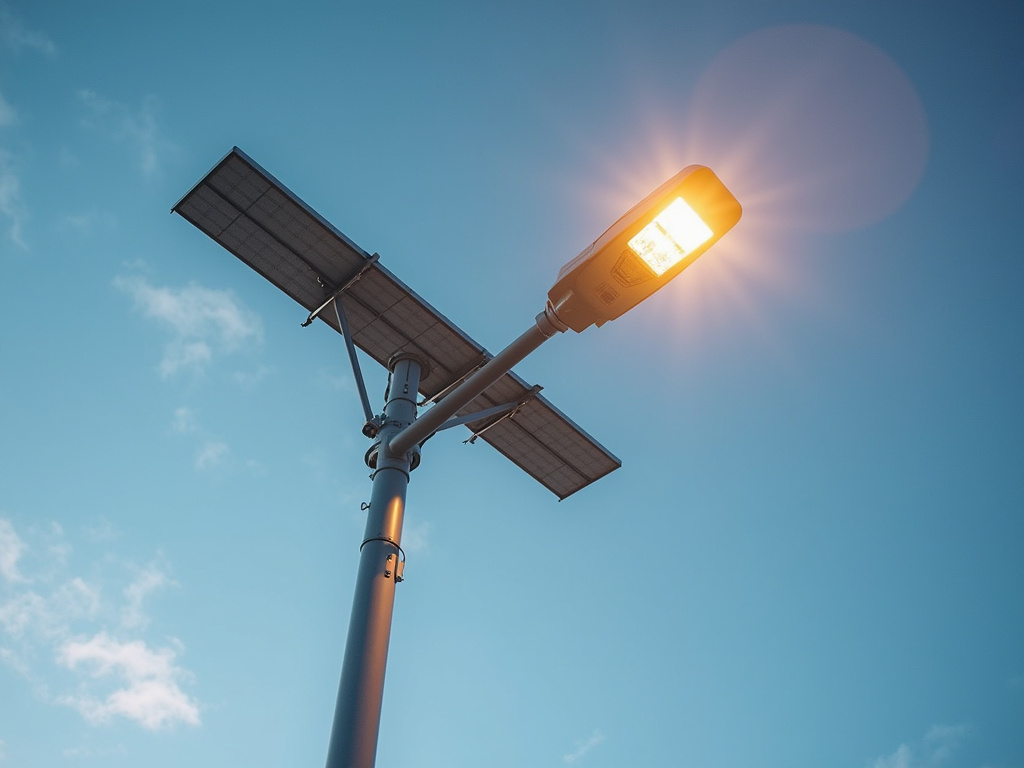
Bus station solar lighting is a sustainable and increasingly popular solution for illuminating and securing urban transport hubs. It offers a multitude of benefits, from reduced energy consumption and greenhouse gas emissions to enhanced safety and accessibility. These systems leverage solar panels to capture daylight and convert it into electricity, which is then stored in batteries and deployed during the night. This self-sufficient nature makes bus stations, especially those in remote or less developed areas, less reliant on traditional grid electricity, leading to significant cost savings for transportation authorities.
Choosing the right bus station solar lighting provider is crucial for ensuring the system’s efficiency, durability, and longevity. When evaluating potential vendors, consider their experience in designing and installing solar lighting systems for transportation infrastructure. Look for providers who offer customizable solutions tailored to the specific needs and challenges of your location. Additionally, ensure they utilize high-quality components and employ efficient lighting technologies like LED, which offers longer lifespans and superior brightness compared to traditional lighting options.
Beyond its environmental and economic advantages, bus station solar lighting offers enhanced security and safety features. Well-lit stations encourage passenger safety and reduce the risk of crime. Advanced solar lighting systems can incorporate motion sensors and intelligent controls, automatically adjusting brightness levels based on foot traffic and time of day, further optimizing energy use and maximizing security.
While bus station solar lighting presents numerous advantages, it’s important to consider alternatives or complementary solutions. For instance, hybrid systems that combine solar power with a backup generator can bridge periods of low sunlight or extended periods without sunlight. Alternatively, smart lighting controls and energy management systems can optimize the performance of existing bus station lighting, ensuring efficient energy use even without solar integration. Ultimately, the choice depends on factors like budget, climate, and specific security requirements, with the goal of creating well-lit, safe, and sustainable bus stations for all.

Choosing the Right Solar Light for Your Bus Station
Choosing the appropriate bus station solar lighting solution is a strategic decision with far-reaching benefits, especially for areas with ample sunlight exposure. While the initial investment might seem steep, the long-term gains in energy cost savings and reduced maintenance cannot be overlooked. Bus stations, by their nature, demand robust and reliable lighting systems capable of withstanding harsh weather conditions and high foot traffic—qualities that solar-powered lights excel at providing.
The need for bus station solar lighting arises primarily when traditional grid-connected lighting becomes inefficient or impractical. Solar-powered alternatives are particularly advantageous in remote locations where extending electrical infrastructure is cost-prohibitive or environmentally disruptive. For instance, a study by the U.S. Department of Energy found that LED solar streetlights can reduce energy costs by up to 75% compared to conventional lights. This makes them a compelling choice for bus stations situated in suburban or rural areas. However, even urban hubs can benefit from solar lighting, especially during power outages or when grid capacity is strained.
Before committing to bus station solar lighting, consider your specific requirements and available budget. Assess factors like daily sunlight exposure, the size of the bus station, and local weather patterns. Alternatives to traditional solar lights include energy-efficient LED fixtures with backup battery systems or smart lighting networks that optimize energy use based on real-time data. For instance, some cities have successfully implemented dynamic lighting systems that dim non-essential lights during off-peak hours, significantly reducing energy consumption. These options should be evaluated against your needs to ensure the chosen solution offers both effectiveness and value for money. Ultimately, the right bus station solar lighting setup will enhance safety, improve passenger experience, and contribute to a more sustainable future.
Implementing and Maintaining Solar Lighting at Bus Stations
Implementing and maintaining bus station solar lighting involves careful planning and consideration to ensure optimal performance and longevity. The shift towards sustainable transportation has prompted many urban planners and transit authorities to explore solar power as a viable solution for illuminating bus stops, especially in remote or hard-to-reach areas where traditional grid electrification is impractical.
One of the clear signs you need bus station solar lighting is when the location has limited access to the grid, making conventional lighting options expensive and inefficient. Solar-powered lights offer an attractive alternative, as they can be easily installed, require minimal maintenance, and significantly reduce energy costs over time. For instance, a study by the International Energy Agency (IEA) found that solar streetlights can save up to 60% in energy consumption compared to conventional lighting systems. This is particularly relevant for bus stations situated on highways or in rural settings where grid connectivity is sporadic.
However, the question remains: Is bus station solar lighting worth the investment? The answer lies in long-term savings and environmental benefits. While the initial setup costs may be higher than traditional lighting, solar panels have a relatively short payback period, especially when coupled with government incentives and rebates. Many cities have successfully implemented solar lighting at bus stations, reporting reduced maintenance expenses and lower carbon emissions. For example, a recent case study in the UK demonstrated that replacing conventional streetlights with solar-powered alternatives led to a 40% reduction in annual energy consumption and a corresponding decrease in greenhouse gas emissions.
Yet, several problems should be avoided when implementing bus station solar lighting. One common pitfall is inadequate planning for maintenance. Solar panels require periodic cleaning to maintain optimal performance, and the lights themselves should be inspected regularly for any signs of damage or malfunction. Additionally, choosing the right equipment is crucial; poor-quality panels or inefficient lights can lead to underperformance and higher-than-expected costs. To avoid these issues, transit authorities should partner with reputable vendors who offer comprehensive maintenance contracts and use only high-quality components. By doing so, they can ensure reliable bus station solar lighting that enhances safety, reduces environmental impact, and provides a positive passenger experience.
Frequently Asked Questions About Bus Station Solar Lighting
What are the environmental benefits of solar lighting at bus stations?
Solar lighting offers significant environmental advantages, primarily by utilizing renewable energy from the sun. This reduces the station’s carbon footprint and dependence on traditional electricity sources. By harnessing solar power, bus stations can contribute to a cleaner, more sustainable environment, especially in urban areas with high energy demands.
How cost-effective is installing solar lighting for bus stations?
The initial investment may be higher than conventional lighting options, but solar panels have a long lifespan and minimal maintenance costs. Over time, the savings on electricity bills can offset the installation cost, making it a financially viable option. Government grants and incentives often support the adoption of renewable energy, further enhancing its economic viability.
Can solar lights provide adequate illumination for bus stations at night?
Absolutely. Solar-powered lighting systems are designed to charge during the day and provide bright, reliable illumination at night. Modern LED lights used in these systems offer high lumen output, ensuring well-lit areas for passengers waiting for buses. The energy stored in the batteries ensures consistent lighting, even on cloudy days or during power outages.
Are solar bus station lights easy to install and maintain?
Installation typically involves mounting solar panels in areas with optimal sunlight exposure and installing lights at strategic locations around the station. Many systems come with user-friendly designs and minimal assembly requirements. Maintenance is generally straightforward, primarily involving cleaning the panels periodically and replacing batteries or components as needed.
How does weather impact the performance of solar lighting at bus stations?
Weather conditions can affect solar panel efficiency. Cloudy or overcast days may reduce energy generation, but most modern panels are designed to operate efficiently in such conditions. Extreme weather events like heavy rain or snow might temporarily disrupt service, but these occurrences are rare and won’t hinder long-term performance. Regular cleaning of panels after inclement weather is recommended to maintain optimal performance.
Bus Station Solar Lighting represents a sustainable and cost-effective solution for optimizing urban transportation hubs. By harnessing the power of the sun, these lighting systems offer numerous benefits, including reduced energy consumption, lower maintenance costs, and improved safety and accessibility at bus stations. Understanding the key components and careful selection of solar lights is crucial for successful implementation. Effective integration involves strategic placement, adequate charging periods, and robust maintenance routines. Embracing Bus Station Solar Lighting not only contributes to environmental stewardship but also enhances the overall efficiency and user experience of these vital public spaces.