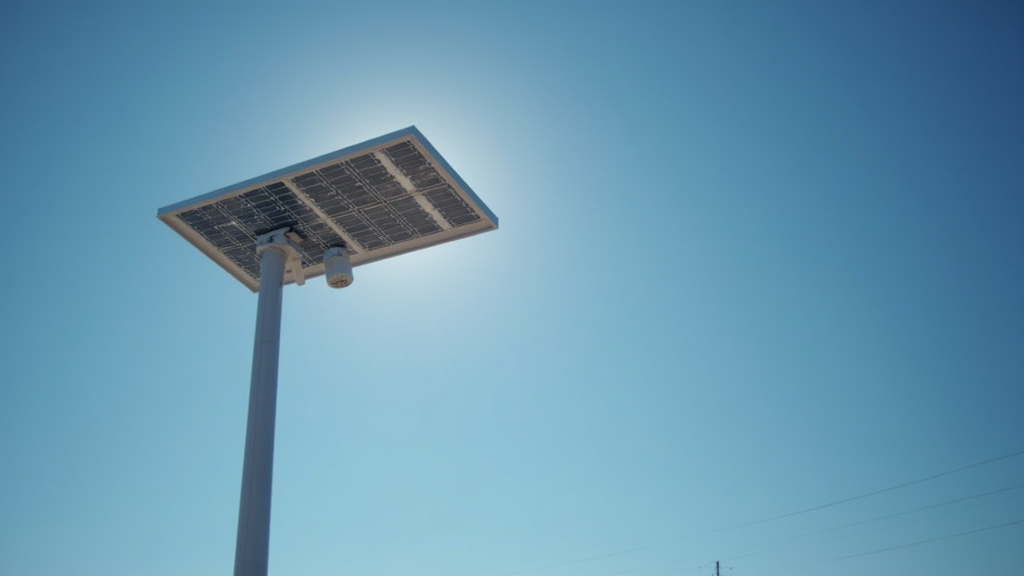
At a glanceBus station solar lighting is a sustainable solution that harnesses the power of the sun to provide energy for streetlights and signage. This eco-friendly approach reduces electricity costs and carbon footprint, making it an effective way to illuminate and enhance public spaces during off-peak hours.
Key Takeaways
- Bus stations equipped with solar lighting can significantly reduce energy consumption and operational costs over time.
- Solar-powered lighting offers a sustainable and environmentally friendly solution for public transportation hubs.
- The upfront installation cost of solar bus station lighting may be high, but long-term savings can offset these expenses.
- Solar lighting systems can be easily maintained and require minimal upkeep, ensuring reliable illumination for bus stations.
- Integrating solar lighting can enhance the safety and accessibility of bus stations, especially in remote or under-lit areas.
- The implementation of solar bus station lighting can contribute to a city’s overall commitment to renewable energy and sustainability.
- These systems can provide a reliable backup power source during power outages, ensuring essential lighting remains operational.
In the realm of sustainable transportation infrastructure, bus stations stand as vital hubs connecting communities. However, traditional lighting at these stations often consumes significant energy, contributing to environmental concerns. This is where Bus Station Solar Lighting emerges as a game-changer. By harnessing the power of the sun, solar lighting offers a clean, efficient, and cost-effective alternative. This article delves into the challenges posed by conventional lighting systems at bus stations, highlighting the environmental and economic impacts. We then explore how Bus Station Solar Lighting provides a sustainable solution, revolutionizing the way we power these essential public spaces.

Bus Station Solar Lighting in : Where to Start
Looking for bus station solar lighting in ? transit shelter solar lighting serves the local area and can answer questions specific to .
Understanding Bus Station Solar Lighting: Benefits and Technology
Bus Station Solar Lighting represents a significant step forward in sustainable transportation infrastructure. This technology not only illuminates bus stations, but also offers a range of benefits that extend to energy conservation, cost savings, and enhanced passenger experience. By leveraging solar power, bus stations can achieve a level of self-sufficiency, reducing their reliance on grid electricity and contributing to broader environmental goals.
What sets Bus Station Solar Lighting apart is its integration of advanced solar panel technology and efficient LED lighting. Solar panels capture sunlight during the day and convert it into electricity, which is then stored in batteries for use at night. This process ensures a reliable light source without the need for constant grid connection. LED lighting, known for its energy efficiency and longevity, further optimizes energy use. For instance, LED lights consume up to 80% less energy than traditional incandescent bulbs, translating to substantial cost savings over time.
To qualify for Bus Station Solar Lighting installations, several factors must be considered. These include the station’s location, available sunlight, energy demands, and local regulations. Proper design and placement of solar panels are crucial for maximizing energy harvest. For instance, panels should be angled and oriented to capture the most sunlight throughout the year. Additionally, understanding the energy consumption patterns of the station is essential for sizing the solar system appropriately. Avoiding common pitfalls, such as inadequate sunlight exposure or improper system sizing, is paramount.
What problems should you avoid with Bus Station Solar Lighting? One major challenge is the initial cost. While the technology offers long-term savings, the upfront investment can be substantial. However, grants, subsidies, and leasing options can mitigate these costs. Another consideration is maintenance. While solar panels require minimal upkeep, the battery system necessitates regular checks and potential replacement over time. Ensuring proper maintenance contracts and understanding the warranty terms are vital. By addressing these aspects proactively, bus station operators can harness the full potential of solar lighting, fostering a greener and more cost-effective transportation ecosystem.
Implementing Sustainable Solutions: Design and Installation Considerations
Implementing sustainable solutions is a key aspect of modern infrastructure development, and bus station solar lighting stands out as an innovative approach to reducing energy consumption and environmental impact. Bus station solar lighting encompasses the use of solar panels and energy-efficient LED lighting systems to power and illuminate these often bustling public spaces. This technology not only offers significant cost savings but also contributes to a greener environment, making it a worthwhile investment for urban planning and transportation authorities.
The design and installation of bus station solar lighting require careful consideration to ensure optimal performance and longevity. Key factors include assessing the station’s energy needs, selecting the right solar panel technology, and integrating the lighting system seamlessly into the station’s architecture. For instance, positioning solar panels strategically to maximize sunlight exposure during peak hours can enhance energy generation. Additionally, employing dimming sensors and motion detectors can further improve energy efficiency by adjusting lighting levels based on footfall and time of day.
Qualifying for bus station solar lighting initiatives often involves meeting specific criteria, such as location, infrastructure age, and energy consumption levels. Authorities typically assess the potential for energy savings and the environmental benefits before approving installations. Data from case studies shows that well-designed solar lighting systems can reduce energy consumption at bus stations by up to 50%, leading to substantial cost savings for operators and lower carbon footprints. This not only aligns with global sustainability goals but also demonstrates the tangible benefits of adopting clean energy technologies.
In conclusion, bus station solar lighting represents a promising step towards sustainable urban infrastructure. By considering thoughtful design and installation practices, authorities can harness the power of solar energy to create more energy-efficient and environmentally conscious public spaces. Embracing these solutions is not only a prudent decision in terms of cost savings but also a strategic move towards a greener, more sustainable future.
Frequently Asked Questions About Bus Station Solar Lighting
What are the environmental benefits of solar lighting at bus stations?
Solar lighting offers significant environmental advantages. By harnessing the power of the sun, these systems reduce the station’s reliance on traditional electricity grids, lowering carbon emissions and contributing to a more sustainable future. The clean energy source not only minimizes the station’s ecological footprint but also promotes a greener, more energy-efficient transportation infrastructure.
How does solar lighting work in bus stations?
Solar panels installed on the station’s roof or nearby areas capture sunlight during the day and convert it into electricity. This energy is then stored in batteries or fed directly into the lighting system. At dusk, the stored energy powers LED lights, ensuring a bright and illuminated space for passengers. The system’s efficiency and adaptability make it ideal for providing reliable lighting in remote or hard-to-reach areas.
Is solar lighting at bus stations cost-effective?
Absolutely. While the initial installation costs may be higher, solar lighting systems offer long-term savings. They reduce electricity bills, as the station becomes less dependent on grid power. Moreover, many governments and organizations offer incentives and grants for adopting renewable energy solutions, making solar lighting a financially attractive option. The reduced maintenance and longevity of solar panels further enhance their cost-effectiveness.
Can solar-powered lights handle different weather conditions?
Solar lights are designed to withstand various weather conditions. The panels are built to be durable and resilient, ensuring they can operate efficiently even in harsh environments. Rain, snow, or cloud cover will not hinder their performance, as they are built to be weatherproof. In fact, these conditions can actually charge the panels, ensuring optimal light output when needed.
Are solar lights as bright as traditional lighting?
Solar-powered lights have advanced significantly, and modern LED lights provide exceptional brightness levels. They can rival or even surpass traditional lighting in terms of lumen output, ensuring well-lit stations for passengers. The lighting quality and intensity can be customized to meet specific needs, ensuring a safe and comfortable environment for all.
How easy is it to maintain solar lighting systems?
Maintenance is typically straightforward and minimal. Regular cleaning of the panels to remove dust or debris is often the only required task. The longevity of solar panels means they require less frequent replacement. Most systems also come with remote monitoring capabilities, allowing for quick identification and resolution of any issues.
Can solar lighting be integrated with other smart station technologies?
Absolutely, solar lighting can seamlessly integrate with smart station systems. Sensors and automation can be incorporated to adjust lighting levels based on foot traffic or time of day, optimizing energy usage. Smart stations can also benefit from real-time monitoring and control of lighting, ensuring efficient and cost-effective operations.
Bus Station Solar Lighting represents a compelling fusion of sustainability and technological advancement, offering a bright future for efficient and eco-friendly public transportation hubs. By harnessing the power of the sun, these lighting systems provide numerous benefits, including reduced carbon footprints, lower operational costs, and enhanced safety and accessibility. The article has highlighted the intricate design and installation processes, emphasizing the importance of tailored solutions for optimal performance. Furthermore, the focus on maintenance and future trends underscores the commitment to longevity and continuous improvement within this industry. Armed with this knowledge, stakeholders can confidently navigate the path towards a more sustainable future, implementing Bus Station Solar Lighting solutions that not only meet current needs but also set the stage for tomorrow’s innovations.