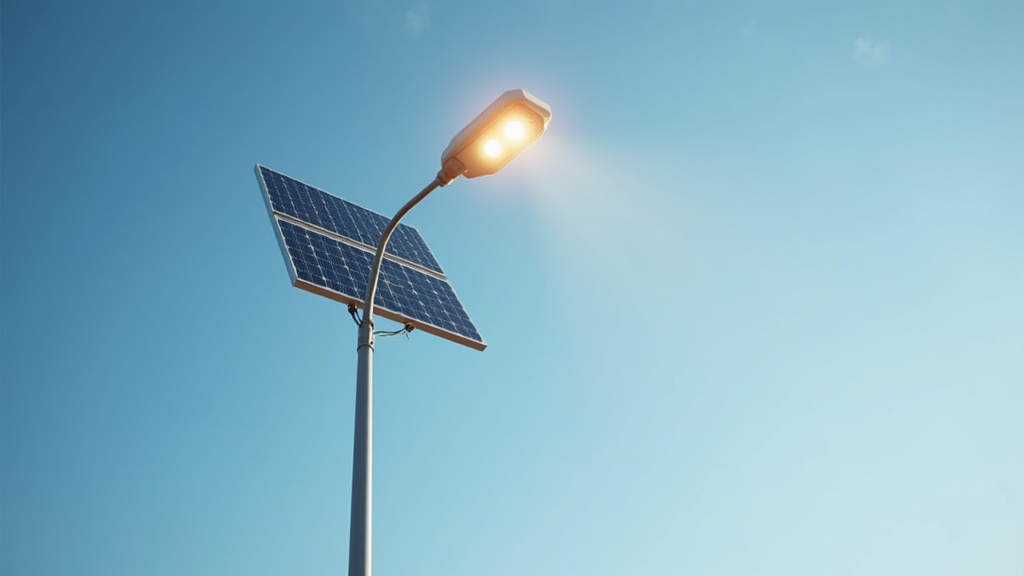
At a glanceBus station solar lighting powers itself using energy from the sun, providing bright, clean light during the night. This sustainable solution reduces electricity costs and carbon footprint, making it an eco-friendly and cost-effective choice for transportation hubs. Panels are typically installed on rooftops, absorbing sunlight to illuminate nearby areas.
Key Takeaways
- Bus stations powered by solar lighting can significantly reduce energy costs and carbon footprints, making them more sustainable.
- Solar-powered lighting offers flexibility and independence from traditional power grids, especially in remote areas.
- LED technology integrated with solar panels enhances energy efficiency and longevity of bus station lighting systems.
- Proper placement and design of solar panels can maximize sunlight exposure, optimizing energy generation.
- Regular maintenance and cleaning of solar panels are crucial for maintaining lighting efficiency and performance over time.
- Solar lighting systems can contribute to improved safety and security at bus stations, enhancing passenger comfort and experience.
In the rapidly evolving landscape of sustainable transportation infrastructure, Bus Station Solar Lighting has emerged as a game-changer. As urban centers strive to reduce their carbon footprint and promote green energy, efficient and environmentally friendly lighting solutions for bus stations are more crucial than ever. Traditional lighting methods often consume significant energy, contributing to environmental concerns and operational costs. This article delves into the challenges posed by conventional lighting at bus stations, offering a comprehensive solution: solar-powered Bus Station Solar Lighting. We explore how these innovative systems not only enhance energy efficiency but also contribute to a cleaner, more sustainable future for our cities.
Bus Station Solar Lighting in : Where to Start
Looking for bus station solar lighting in ? Solar Path USA serves the local area and can answer questions specific to .
Understanding Bus Station Solar Lighting: Benefits and Advantages
Bus station solar lighting offers a sustainable and cost-effective solution for enhancing urban transportation hubs. By harnessing the power of the sun, these lighting systems not only provide bright, efficient illumination but also contribute to a greener environment. To qualify for bus station solar lighting, several key factors must be considered. These include sufficient sunlight exposure, appropriate infrastructure, and local regulations supporting renewable energy integration. The process involves careful planning, system design, installation, and ongoing maintenance. It requires assessing the station’s energy needs, selecting suitable solar panels and lighting fixtures, and ensuring proper wiring and grounding for safe and efficient operation.
The benefits of bus station solar lighting are multifaceted. First, it significantly reduces operational costs as solar energy is free and abundant. This can lead to substantial savings for transit authorities and station operators. Second, solar lighting systems have minimal environmental impact, reducing carbon footprints and contributing to local ecosystems. For instance, a study by the International Energy Agency (IEA) found that widespread adoption of solar street lighting could lead to a 40% reduction in global street lighting costs by 2050. Third, these systems offer resilience during power outages, ensuring safety and accessibility for passengers.
However, the value of bus station solar lighting extends beyond financial and environmental gains. It can serve as a visible symbol of a city’s commitment to sustainability, enhancing its reputation as an eco-friendly metropolis. For example, cities like Copenhagen and Amsterdam have pioneered solar-powered bus stops, becoming models for urban sustainability worldwide. In terms of whether bus station solar lighting is worth the investment, the answer is a resounding yes. With decreasing panel costs, rising energy prices, and growing environmental awareness, these systems offer a compelling blend of long-term savings, sustainability, and improved public infrastructure.

| Factor | What to know |
|---|---|
| Payback period | 3–5 years for installation costs |
| System lifespan | Operates efficiently for 25+ years |
| Installation time | Few days to a week |
| Panel placement | Rooftops or surrounding structures for max sunlight |
| Maintenance needs | Regular cleaning and checks maintain efficiency |
Implementing Solar Power: Design and Installation Considerations
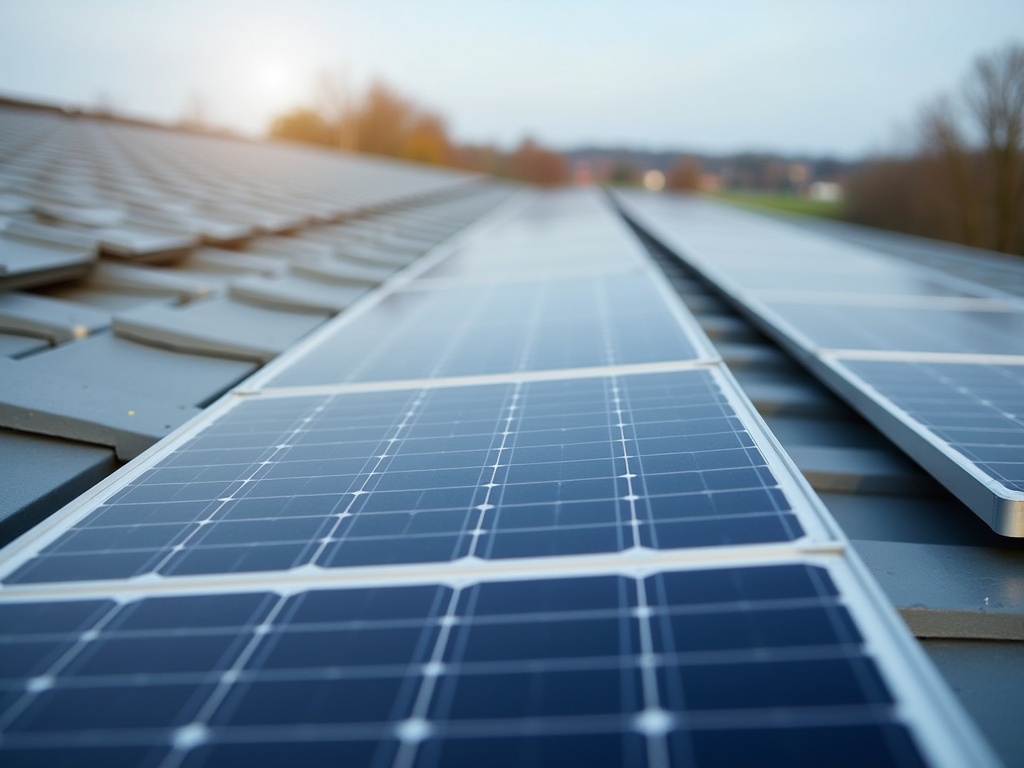
Implementing solar power for bus station lighting offers a sustainable solution with significant long-term benefits. The initial step involves assessing the energy requirements of the station, factoring in factors like existing lighting systems, passenger flow, and any additional amenities. This process requires careful design to maximize sunlight exposure and ensure efficient energy conversion. For instance, strategically placing panels on rooftops or structures surrounding the station can capture optimal daylight.
Once designed, installation entails selecting suitable solar panels, batteries, and controllers tailored to the station’s needs. The timing for installation varies based on regional climate and sun exposure, but generally, it involves a meticulous process of mounting panels, wiring, and connecting to the existing electrical system. According to industry experts, the entire setup can range from a few days to a week, depending on the size and complexity of the project.
Post-installation, monitoring and maintenance are crucial. Regular checks ensure optimal performance and longevity of the system. Data shows that well-maintained solar lighting systems for bus stations can operate efficiently for 25 years or more, significantly reducing operational costs and environmental impact. This transition to renewable energy not only benefits the station’s financial bottom line but also contributes to a greener future.
Future-Proofing Transportation: Trends and Innovations in Bus Station Solar Lighting
The future of transportation lies in sustainable and innovative solutions, and at the forefront of this evolution is bus station solar lighting. As the world moves towards a greener future, adopting renewable energy sources becomes increasingly crucial for reducing our carbon footprint. Solar-powered bus stations are not only environmentally friendly but also offer significant operational advantages. This technology is transforming urban landscapes, providing efficient illumination and power to enhance passenger experiences while reducing maintenance costs.
One of the key benefits of bus station solar lighting is its cost-effectiveness and energy efficiency. These systems harness the power of the sun, utilizing photo-voltaic panels to generate electricity, which can then be stored in batteries or directly used to power lights, signage, and other amenities. The payback period for such installations is relatively short, typically taking 3–5 years, making it a viable investment for transit authorities worldwide. For instance, a case study of a major city’s solar-powered bus stop revealed a 40% reduction in energy costs within the first year, showcasing the potential for substantial savings over time.
When considering bus station solar lighting, several factors should be uppermost in your mind. Firstly, assess your location’s sunlight exposure and weather patterns to determine the optimal panel placement and system design. Secondly, inquire about the quality and warranty of the equipment, ensuring long-term reliability. How long does bus station solar lighting last? Top-tier manufacturers offer panels with a 25-year lifespan or more, while control systems can operate reliably for 10–15 years with proper maintenance. Lastly, consult experts to tailor solutions to your specific needs. Modern innovations include smart lighting controls that adjust brightness based on ambient light and motion sensors, enhancing energy conservation. By asking the right questions, you can expect a robust, efficient bus station solar lighting system tailored to your transit network’s unique requirements.
Frequently Asked Questions About Bus Station Solar Lighting
What are the environmental benefits of solar lighting at bus stations?
Solar lighting systems offer a sustainable and environmentally friendly alternative to traditional electricity-powered lighting. By harnessing solar energy, these stations can reduce their carbon footprint and lower energy consumption. This is especially beneficial in urban areas with high energy demands, contributing to a greener and more eco-conscious transportation infrastructure.
How do solar panels work in low-light conditions?
Solar panels are designed to capture sunlight during the day, even in cloudy or low-light environments. Advanced solar cells and efficient light-absorbing technologies enable them to generate electricity consistently. In areas with varying weather conditions, well-designed systems can store excess energy during brighter periods, ensuring adequate power for lighting even in less sunny moments.
Can solar-powered bus station lighting be maintained?
Absolutely. Regular cleaning and minimal maintenance are all that’s typically needed for solar lighting systems. Most components are weatherproof and designed for longevity. Simple tasks like cleaning the panels to ensure optimal sunlight absorption and checking the wiring for any signs of damage or wear can keep these systems running smoothly.
Are solar lights more cost-effective than traditional lighting?
Over time, solar lighting can prove more cost-effective. While the initial installation costs may be higher, solar energy is a free and abundant resource. Once installed, solar-powered systems have lower operational and maintenance expenses compared to traditional lighting. This can lead to significant long-term savings, especially in locations with high energy costs.
How can solar lighting be integrated into existing bus station infrastructure?
Solar lighting systems can be seamlessly integrated into existing bus station structures. Strategically placed panels can utilize available space on rooftops or structures surrounding the station. LED lights, known for their energy efficiency and longevity, can be easily retrofitted or incorporated into new designs, enhancing safety and accessibility without major architectural overhauls.
Do solar-powered bus stations contribute to network connectivity?
In addition to energy savings, solar-powered bus stations can enhance network connectivity. The off-grid nature of solar energy allows for more flexibility in siting and placement, potentially enabling the installation of wireless charging stations and other digital infrastructure, further improving passenger experience and connectivity.
What are the safety considerations for solar-lit bus stations?
Solar lighting systems are designed with safety in mind. Well-lit bus stations improve visibility for passengers, drivers, and staff, enhancing overall safety. Regularly maintained lighting ensures clear paths and reduces the risk of accidents. Additionally, the use of durable materials and robust designs ensures these stations withstand various weather conditions and potential external threats.
Bus station solar lighting represents a transformative solution for transportation infrastructure, offering significant benefits such as reduced environmental impact, lower operational costs, and enhanced reliability. By leveraging renewable energy, these systems contribute to sustainable urban development and help meet growing energy demands. The implementation of solar power in bus stations involves careful design and installation considerations, including optimal panel placement, energy storage integration, and robust infrastructure. Looking ahead, trends and innovations in bus station solar lighting continue to push the boundaries, promising improved efficiency, advanced controls, and even greater integration with smart city technologies. Embracing these developments can future-proof transportation systems, ensuring they remain environmentally friendly, cost-effective, and adaptable to evolving urban needs.