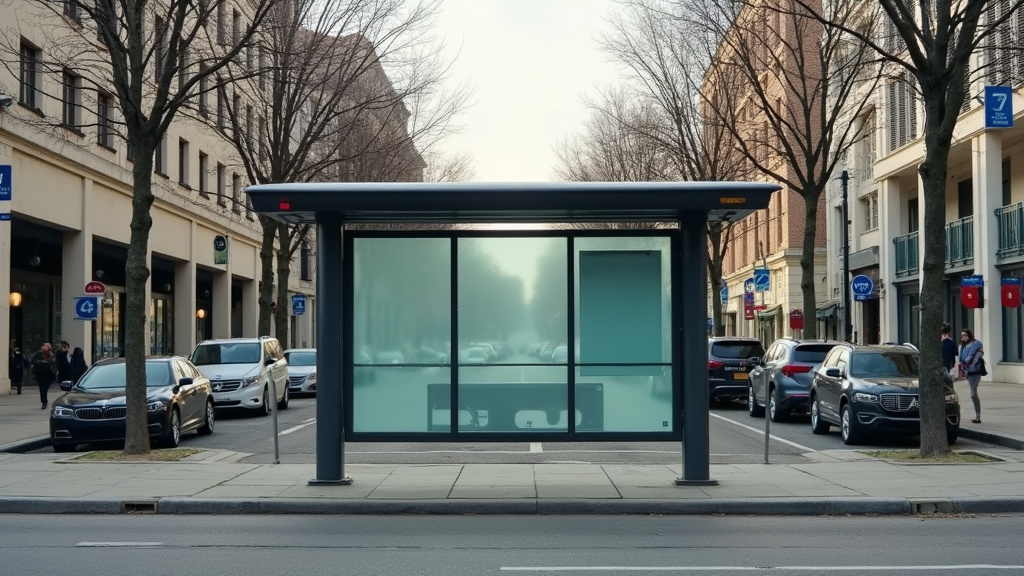
At a glanceBus Station Solar Lighting takes about 6-8 hours to fully charge during the day and can provide up to 10 days of lighting when fully charged, depending on usage. This makes it a reliable and sustainable solution for urban transit hubs.
Key Takeaways
- Bus station solar lighting installations can significantly reduce energy costs over time due to their renewable power source.
- The duration of savings depends on factors like location, usage patterns, and initial investment.
- On average, solar lighting systems pay for themselves within 3-7 years through reduced electricity bills.
- Government incentives and grants can accelerate the payback period, making them more financially attractive.
- Solar panels’ longevity ensures a consistent lighting solution for decades with minimal maintenance.
- The environmental impact is minimized, offering a sustainable and eco-friendly lighting alternative.
- Upfront installation costs may be high, but long-term benefits make solar bus station lighting a sound investment.
The efficient and sustainable illumination of bus stations has become a paramount concern for urban transportation authorities worldwide. Traditional lighting solutions often prove costly to maintain and environmentally detrimental. Bus Station Solar Lighting emerges as a promising alternative, offering both economic and ecological benefits. The effectiveness and duration of this technology, however, remain subjects of interest. This article delves into the time it takes for solar-powered bus station lighting to pay off its initial investment, analyzing factors such as energy savings, installation costs, and environmental impact. By examining these aspects, we provide a comprehensive overview that guides decision-making towards more sustainable urban transportation infrastructure.

Bus Station Solar Lighting in : Where to Start
Looking for bus station solar lighting in ? solar bus stop lighting serves the local area and can answer questions specific to .
Understanding Bus Station Solar Lighting: A Green Initiative
Bus Station Solar Lighting is a sustainable solution gaining traction worldwide as cities strive to reduce their carbon footprint. Understanding its implementation and benefits requires delving into several key components. The process typically involves assessing the specific needs of each bus station, selecting appropriate solar panels and lighting fixtures, and integrating them seamlessly into the existing infrastructure. This meticulous approach ensures optimal energy harvesting and efficient lighting, aligning with the primary goal: to minimize reliance on conventional electricity sources.
The initial step in adopting Bus Station Solar Lighting is choosing the right system. Factors such as location, climate, and traffic patterns dictate the most suitable design. For instance, stations in regions with higher sunlight exposure during specific seasons may require less robust panels, while those in colder climates might demand more efficient, temperature-resistant components. Additionally, understanding the available space for panel installation is crucial. Creative solutions, like integrating solar panels into canopies or bus shelter structures, can maximize energy collection without compromising aesthetics.
While Bus Station Solar Lighting offers numerous advantages, it’s not always the sole option. Traditional lighting systems remain relevant, especially in areas with limited sunlight or where budget constraints play a role. High-pressure sodium lamps and LED lights, for instance, provide robust illumination but consume more energy than solar alternatives. However, many cities are combining these with solar power to create hybrid solutions, ensuring cost-effectiveness and environmental sustainability. This approach allows for gradual adoption of green initiatives while meeting immediate lighting demands.

| Factor | What to know |
|---|---|
| Charging time | 6-8 hours to fully charge during the day |
| Lighting duration | Up to 10 days of lighting when fully charged |
| Payback period | 3-7 years through reduced electricity bills |
| Installation cost | Typically $50,000 to $200,000, sometimes more |
| System lifespan | 25 years or more with proper care |
| Design factors | Location, climate, and traffic patterns dictate system design |
Installation Process: From Planning to Activation
The installation process of Bus Station Solar Lighting is a meticulously planned and executed strategy, transforming bustling urban hubs into energy-efficient, illuminated spaces. It begins with an extensive assessment of the bus station’s unique requirements, encompassing factors such as lighting design, power needs, and available space. This initial phase involves collaboration between architects, engineers, and lighting specialists to create a customized plan. The process includes designing the layout, selecting suitable solar panels, and choosing efficient LED fixtures that cater to the specific needs of the location—be it for safety, passenger guidance, or advertising displays.
Once the design is finalized, the physical installation commences. This involves mounting solar panels at strategic locations, ensuring they receive optimal sunlight exposure throughout the day. The panels are connected to a high-efficiency battery system that stores excess energy generated during sunny periods, providing a reliable power source for nighttime lighting. The LED fixtures are then carefully installed, directed towards specific areas to maximize light distribution and minimize light pollution. This meticulous process guarantees that each element of Bus Station Solar Lighting—from the solar panels to the fixtures—works in harmony to deliver an efficient, sustainable solution.
Alternative lighting options include traditional grid-connected lighting systems or even other renewable energy sources like wind power. However, Bus Station Solar Lighting stands out due to its independence from the grid and ability to provide consistent illumination even during periods of minimal sunlight or at night. While the upfront cost of installation can vary widely, depending on factors such as panel quality, battery capacity, and local labor rates (typically ranging from $50,000 to $200,000, with some cases exceeding), the long-term savings in energy costs make it a compelling investment for transportation hubs. Many cities are embracing this technology, recognizing its potential to enhance urban aesthetics while promoting sustainability.
Performance, Maintenance, and Longevity: A Sustainable Investment
Bus Station Solar Lighting offers a sustainable solution for illuminating transportation hubs, but its performance, maintenance, and longevity as an investment are key considerations. These systems harness solar energy during the day, storing it for nighttime use, ensuring reliable lighting with minimal environmental impact. The lifespan of such installations can extend 25 years or more with proper care, making them a long-term strategic choice.
The initial cost of Bus Station Solar Lighting can vary significantly, influenced by factors like panel efficiency, battery capacity, and local installation expenses. While the upfront investment is substantial, it’s crucial to view it as an infrastructure expense, offsetting utility bills over time. Choosing the right system involves assessing site specifics, such as sunlight exposure, space availability, and weather patterns—considerations that influence both energy production and panel placement. Timing for implementation is flexible, but ideal scenarios involve areas with high solar irradiance and consistent demand for lighting throughout the year, maximizing energy capture and efficiency.
Regular cleaning and occasional equipment checks are essential maintenance practices, ensuring optimal performance. Modern solar panels require minimal upkeep, often just annual inspections, but battery health deserves close attention. Monitoring systems can alert users to potential issues, making quick fixes more manageable. Ultimately, Bus Station Solar Lighting represents a responsible, cost-effective approach to public transportation lighting, delivering both environmental and economic benefits for years to come.
Frequently Asked Questions About How long does Bus Station Solar Lighting take?
How long does it take to install bus station solar lighting?
The installation process for solar lighting at bus stations typically takes a few days to a week, depending on the size and complexity of the project. This includes site preparation, equipment assembly, wiring, and final testing. Our team of experts ensures efficient installation, aiming to minimize disruption to daily operations while maximizing energy savings.
How long do the solar panels last?
Solar panels designed for bus station lighting are built to withstand harsh weather conditions and have a lifespan of 25-30 years with proper maintenance. The quality of the panels plays a significant role in their longevity, ensuring optimal performance throughout their service period. Regular cleaning and minimal maintenance are all that’s typically required.
Are solar-powered bus station lights cost-effective?
Absolutely! While the initial installation costs may be higher than traditional lighting solutions, solar lights offer long-term savings on energy bills. With decreasing panel prices and rising electricity rates, the payback period for this technology is often surprisingly short, making it a wise investment for transportation hubs.
Can solar lighting at bus stations operate during cloudy days or at night?
Solar panels generate power from sunlight, so cloud cover or darkness will reduce their efficiency. However, modern solar lights are designed with battery storage capabilities, ensuring continuous operation even without direct sunlight. This allows bus stations to maintain adequate lighting levels during periods of low or no sunlight.
How do I maintain the solar lighting system?
Minimal maintenance is required for solar bus station lights. Regular cleaning of the panels is recommended to ensure maximum sunlight absorption. We provide comprehensive after-sales support and can schedule routine checks to ensure your lighting system operates smoothly and efficiently for years to come.
Is there any environmental benefit to using solar lighting at bus stations?
Yes, transitioning to solar power significantly reduces a bus station’s carbon footprint. By relying on renewable energy sources, these locations contribute to a cleaner environment, aligning with global sustainability goals. This eco-friendly approach is increasingly important for businesses aiming to minimize their impact on the planet.
Bus Station Solar Lighting offers a sustainable and cost-effective solution for transportation hubs, significantly reducing energy consumption and carbon footprint. The article’s key insights underscore the importance of a well-planned installation process, ensuring optimal performance and longevity. By understanding the environmental benefits and practical considerations, transit authorities can embark on a journey towards greener transportation, where Bus Station Solar Lighting serves as a cornerstone of this transformative shift. This authoritative guide equips readers with the knowledge to navigate the process, making informed decisions for a brighter, more sustainable future.