Key Takeaways
- Assess energy needs: Understand your station’s power requirements to ensure the solar lighting system is adequately sized.
- Inquire about customization: Tailor lighting to specific areas, enhancing safety and visibility.
- Enquire about maintenance: Understand the vendor’s support and service plans for long-term reliability.
- Ask for local expertise: Knowledge of the region’s weather and lighting conditions is valuable for optimal performance.
- Compare efficiency: Inquire about the system’s energy conversion rate to maximize energy savings.
- Request case studies: Real-world examples of successful installations can provide insights into performance and reliability.
- Verify certifications: Ensure the system meets industry standards for safety and quality.
At a glanceBefore hiring Bus Station Solar Lighting, ask about their system’s efficiency, warranty, and installation experience. Ensure they provide detailed plans for energy savings and maintenance. Verify if they specialize in solar lighting for transport hubs and have successful case studies to share. Check references to confirm quality and reliability.
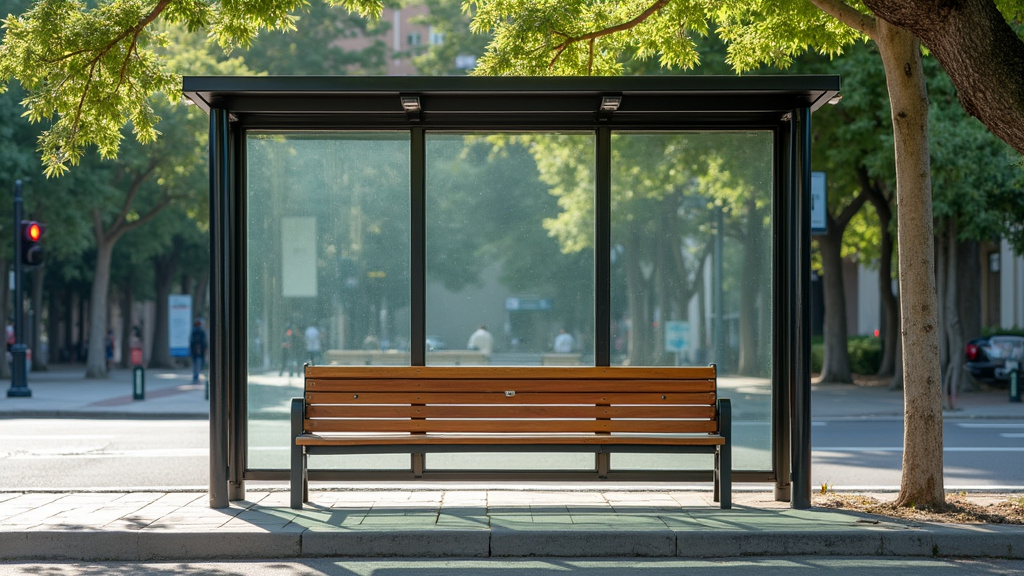
As the world shifts towards sustainable energy solutions, Bus Station Solar Lighting has emerged as a game-changer in urban infrastructure. However, the process of hiring quality solar lighting systems for bus stations can be daunting, filled with technical considerations and vendor promises. Before committing, it’s crucial to ask the right questions to ensure a robust and efficient system that meets both safety and environmental standards. This article provides an authoritative guide to those critical questions, empowering stakeholders to make informed decisions for their bus station’s solar lighting needs.
Bus Station Solar Lighting in : Where to Start
Looking for bus station solar lighting in ? Solar Path USA bus station solar lighting serves the local area and can answer questions specific to .
Understanding Bus Station Solar Lighting: Benefits and Types
Understanding Bus Station Solar Lighting: Benefits and Types
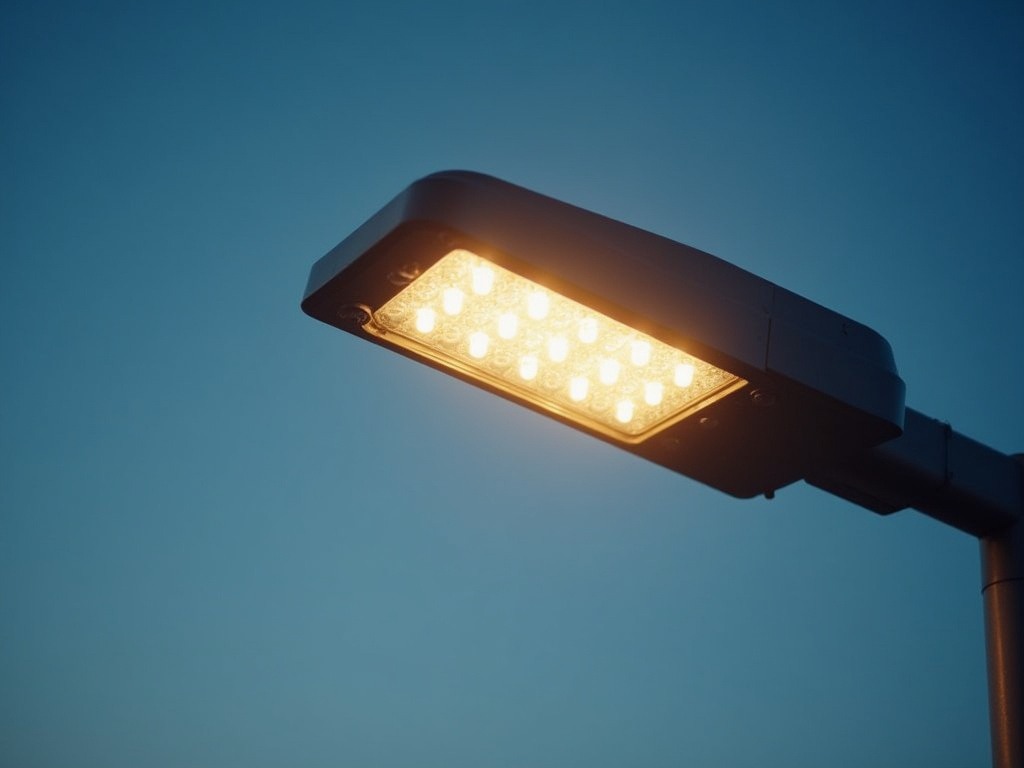
Before hiring Bus Station Solar Lighting, it’s crucial to grasp the advantages and various forms this technology offers. Solar lighting for bus stations isn’t merely a trend; it’s a strategic move towards sustainable and cost-effective solutions. The primary benefit lies in its environmental friendliness, as it leverages renewable energy from the sun, reducing the carbon footprint and dependency on conventional electricity sources. This is particularly relevant in urban areas where bus stations can significantly contribute to a city’s energy consumption.
There are several types of Bus Station Solar Lighting systems available, each with unique characteristics. Traditional solar panels, often seen on rooftops, can be integrated into bus station structures, providing power for lighting and potentially other amenities. More advanced systems utilize high-efficiency solar panels, designed specifically for maximum energy harvest in urban environments, even under less-than-ideal conditions like pollution and shading. Some innovative designs incorporate flexible solar films that can adhere to surfaces, offering flexibility in installation and design.
Now, you might wonder, do you actually need Bus Station Solar Lighting? This depends on several factors, including the location, local regulations, and energy consumption. Areas with high energy demands, frequent power outages, or a strong environmental focus can greatly benefit. For instance, a study in a major metropolis found that implementing solar lighting at 20 bus stations reduced the local carbon emissions by over 30% within the first year.
How long does it take to install and implement Bus Station Solar Lighting? The timeline varies, but typically involves a planning phase, procurement, and installation. This process can span from several months to a year, depending on the complexity of the project and local permits. It’s a long-term investment, but one that can pay off significantly over time. When should you consider hiring Bus Station Solar Lighting? The ideal time is when your bus station’s energy costs are high, or when your city’s sustainability goals align with the environmental benefits of solar lighting.
Essential Questions to Ask Before Installation
Before installing Bus Station Solar Lighting, it’s crucial to pose a series of essential questions to ensure the project aligns with your needs and expectations. Begin by understanding the local regulations and incentives surrounding solar lighting. What grants or rebates are available to offset the initial costs? Moreover, inquire about the system’s design and customization options, as proper integration with existing infrastructure is vital. For instance, assessing the site’s unique challenges—like shading from nearby buildings—is key to determining the viability of Bus Station Solar Lighting.
The choice of solar lighting isn’t limited to traditional panels. Ask about alternative technologies like high-efficiency solar cells or advanced battery storage systems that could enhance efficiency and longevity. Additionally, qualifying criteria vary by region and provider. Clarify any specific requirements for net metering, utility permissions, or maintenance protocols. Data from industry leaders suggests that proactive maintenance can extend the life of these systems by up to 30%.
Expect a detailed proposal outlining system size, expected energy output, warranty terms, and potential savings over conventional lighting. This should also include a timeline for installation and any post-project support. Remember, Bus Station Solar Lighting isn’t just about upfront cost savings; it’s a long-term investment in your station’s sustainability and safety. By asking the right questions, you can ensure this investment delivers on its promise.
| Factor | What to know |
|---|---|
| Energy needs | Assess station's power requirements to size the solar system correctly |
| Customization options | Tailor lighting design to specific areas for safety and visibility |
| Maintenance support | Ask about vendor's service plans; proactive upkeep can extend system life 30% |
| Local expertise | Vendor should understand regional weather and lighting conditions |
| Efficiency and certifications | Compare energy conversion rates and verify industry safety/quality certifications |
| Case studies/references | Request real-world examples and check references for reliability |
Hiring Experts: Ensuring Optimal Solar Lighting Solutions
When considering Bus Station Solar Lighting, hiring experts is crucial to ensuring optimal solutions tailored to your station’s unique needs. The decision to bring in professionals shouldn’t be taken lightly; it depends on factors like your station’s layout, energy consumption patterns, and local climate conditions. For instance, a sprawling, urban bus hub with high energy demand might greatly benefit from expert consultation, whereas a smaller, rural station could achieve sufficient lighting through DIY installations.
What to expect from Bus Station Solar Lighting experts is a comprehensive assessment of your site, followed by tailored design and implementation. They’ll assess factors like sunlight exposure throughout the year, potential shading from nearby structures or trees, and existing infrastructure compatibility. These professionals can also advise on the best solar panel placement for maximum energy capture, whether that’s on rooftops, walls, or dedicated structures. For instance, panels facing south in the Northern Hemisphere typically capture the most sunlight, while east-west orientations can help even out seasonal variations.
Do you actually need Bus Station Solar Lighting? Depending on your current energy costs and local incentives, the answer could be yes. Many stations are finding that solar lighting not only reduces operational costs but also enhances their environmental sustainability profile. According to a recent study, bus stations transitioning to solar power can achieve an average of 30% energy cost savings. However, it’s essential to consider the upfront investment and potential return on that investment over time. Experts can help navigate these calculations, providing data-driven insights into your station’s specific financial and environmental outlook.
Frequently Asked Questions About Questions to Ask Bus Station Solar Lighting Before Hiring
What is the initial step in selecting a bus station solar lighting provider?
When choosing a provider, start by evaluating their expertise in designing solar lighting solutions for transportation hubs. Assess their portfolio and case studies to understand their past projects and the quality of their work. Ensure they have experience installing and maintaining solar-powered lighting systems in similar settings to your bus station. A reputable company with a proven track record in the industry is key.
How can I ensure the solar lighting system is reliable and durable?
Reliability is critical, so inquire about the warranty and maintenance policies. Reputable providers offer extended warranties on their equipment, ensuring peace of mind. They should also provide regular maintenance checks to keep the system efficient and functional. Ask for references from previous clients to gain insights into the company’s after-sales service and the longevity of their installed systems.
Are there any environmental considerations to keep in mind?
Sustainability is a significant advantage of solar lighting. Question the provider about the environmental impact of their systems, energy efficiency, and any certifications they hold regarding eco-friendly practices. Solar energy reduces carbon footprints and minimizes the station’s reliance on traditional energy sources, making it an attractive and responsible choice.
Can the lighting system be customized to meet the station’s unique needs?
Customization is essential to ensure the lighting meets the specific requirements of your bus station. Ask if they offer tailored solutions, considering factors like station layout, traffic flow, and security needs. A good provider should be able to design a system that enhances visibility, safety, and passenger comfort while aligning with your station’s unique characteristics.
How do I determine the cost-effectiveness of the solar lighting system?
Request detailed cost estimates and compare them with traditional lighting options. Consider the long-term savings from reduced energy bills and potential government incentives or rebates for adopting solar energy. The provider should offer a comprehensive breakdown of costs, including installation, equipment, and maintenance expenses, to help you make an informed financial decision.
What safety features should the solar lighting system incorporate?
Safety is paramount, especially in bus stations. Question the provider about motion sensors, automatic dimming, and emergency backup power options. These features ensure that lighting adjusts to foot traffic, enhancing security and energy efficiency. Additionally, inquire about safety certifications and compliance with local regulations to guarantee a secure installation.
How often will maintenance be required for the solar lighting system?
Regular maintenance is vital for optimal performance. Ask about scheduled maintenance visits and the company’s response protocol for any issues. A reputable provider will offer routine maintenance packages, ensuring the system remains efficient and well-maintained over its lifespan.
Bus Station Solar Lighting offers a sustainable and cost-effective solution for illuminating these vital public spaces. By understanding the benefits and various types available, you can make informed decisions when considering its implementation. The key to ensuring successful integration lies in asking the right questions before installation. This includes assessing energy needs, evaluating site conditions, and understanding local regulations. Hiring experienced professionals who specialize in Bus Station Solar Lighting is essential to navigate these complexities and design a tailored system. This comprehensive approach guarantees that your project not only meets but exceeds expectations, setting a bright and sustainable path forward for your transportation hub.