
Key Takeaways
- Increasing energy costs and environmental concerns highlight the need for sustainable lighting solutions, especially in bustling bus stations.
- Solar-powered lighting offers a cost-effective and environmentally friendly alternative to traditional electricity-dependent systems.
- Regular maintenance of solar panels can ensure optimal energy absorption, maximizing the efficiency of bus station solar lighting.
- Integrating solar lighting with smart sensors improves safety and security while reducing energy waste in empty areas during off-peak hours.
- The initial investment for bus station solar lighting systems can be offset by long-term savings on electricity bills and potential government rebates or incentives.
- Solar lighting installations can enhance the overall aesthetic appeal of a bus station, creating a more welcoming environment for passengers.
At a glanceIf you often notice dark areas around bus stations at night or struggle to see during power outages, solar lighting is a solution. It provides consistent illumination without relying on the grid, enhancing safety and accessibility for passengers waiting for buses.
In today’s world, efficient and sustainable transportation infrastructure is more crucial than ever. Among the many elements vital to public transit hubs, lighting stands out, particularly at bus stations, where well-lit environments enhance safety and accessibility. However, traditional power sources for these stations often prove inefficient and costly, leading to a growing need for innovative solutions. This is where Bus Station Solar Lighting emerges as a game-changer. By harnessing the power of the sun, solar lighting offers a sustainable, cost-effective alternative that not only reduces carbon footprint but also enhances the overall efficiency and functionality of bus stations worldwide.
Bus Station Solar Lighting in : Where to Start
Looking for bus station solar lighting in ? solar lighting for bus stations serves the local area and can answer questions specific to .
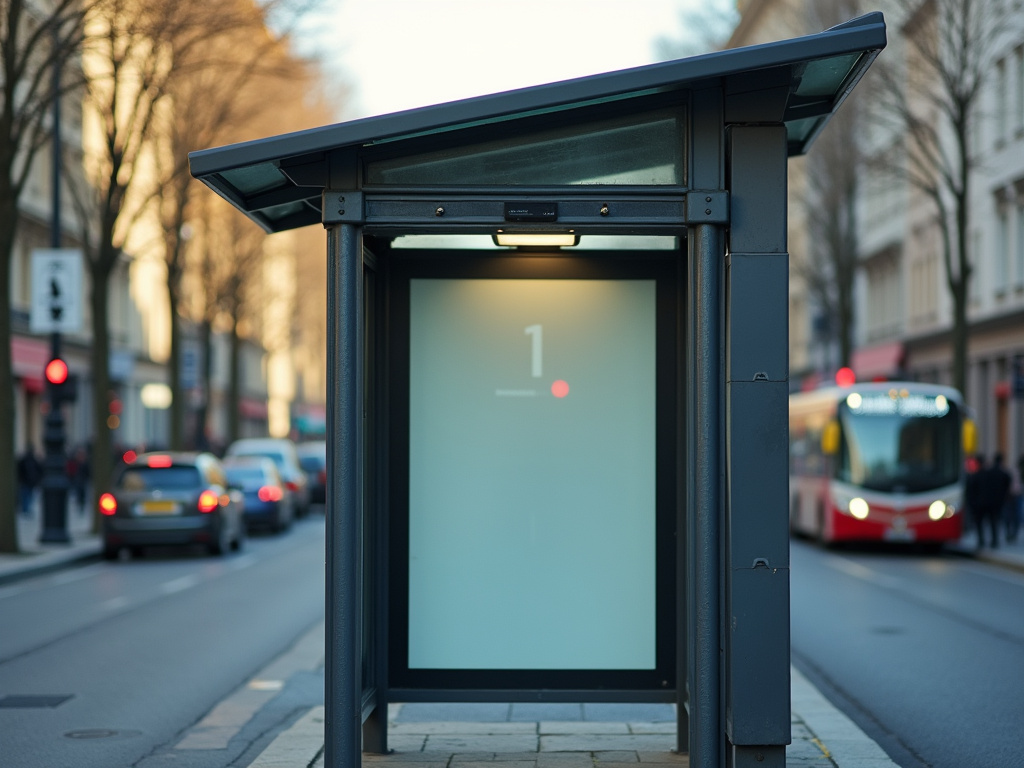
Understanding Bus Station Solar Lighting Needs
Many bus stations struggle with adequate lighting, creating safety concerns for passengers and staff alike. This is where Bus Station Solar Lighting steps in as a transformative solution. Understanding when and why to invest in this technology is crucial. Before committing, it’s essential to ask the right questions to ensure your needs are met.
First, assess the current lighting infrastructure. Is it inadequate during off-peak hours? How long does it take for natural light to wane, and what impact does this have on bus operations? For instance, during winter months, shorter days can significantly reduce natural illumination, leaving bus stations dim and potentially hazardous. Data from the American Bus Association reveals that well-lit stations enhance passenger comfort, leading to increased satisfaction and usage.
Moreover, Bus Station Solar Lighting offers a sustainable and cost-effective alternative. With proper design, these systems can provide sufficient lighting for 24-hour operations, eliminating reliance on conventional electricity sources. This is especially beneficial in remote locations or areas with inconsistent power grids. However, the need for solar lighting isn’t always apparent; it’s vital to ask if your station receives ample natural light during peak hours and if energy costs are a significant concern.
When considering Bus Station Solar Lighting, several factors come into play. How long does the installation process take? What is the expected return on investment? And do the benefits outweigh the initial costs? These questions will help guide decisions, ensuring that bus stations receive the optimal lighting solutions tailored to their unique requirements, enhancing safety and passenger experience without unnecessary expenditure.
Identifying Red Flags: When to Consider Solar Upgrades
Many bus stations are still reliant on traditional lighting solutions, which can be costly to operate and maintain. This is where Bus Station Solar Lighting emerges as a compelling and sustainable alternative. By integrating solar panels with energy-efficient lighting systems, bus stations can significantly reduce their carbon footprint and operational expenses. However, determining the optimal time to upgrade to solar lighting requires careful consideration of various factors. Identifying red flags in the current lighting setup is a crucial first step.
One clear sign that it’s time for a Bus Station Solar Lighting upgrade is high energy consumption and correspondingly high utility bills. If the station’s lighting system is consuming large amounts of electricity, it’s likely that solar power could provide a substantial and immediate savings. Additionally, outdated or inefficient lighting fixtures can lead to inconsistent illumination, safety hazards, and wasted energy. In such cases, a solar lighting system, which includes modern LED technology, can enhance safety and efficiency while reducing energy waste.
Before hiring a provider for Bus Station Solar Lighting installations, ask critical questions to ensure the solution meets your station’s unique needs. These may include the size and layout of the station, available roof or ground space for solar panels, and specific lighting requirements. Additionally, understanding the installation process and timeline is essential. While the initial setup may take 1-3 weeks, depending on the scope, the long-term benefits of reduced energy costs and maintenance can be significant. For example, a study by the U.S. Department of Energy found that LED lighting, when paired with solar power, can result in energy savings of 50-75% compared to traditional lighting systems.

| Factor | What to know |
|---|---|
| Cost savings | LED plus solar can cut energy use by 50-75% vs traditional lighting |
| Installation time | Setup typically takes 1-3 weeks depending on scope |
| Smart sensors | Improve safety and reduce energy waste during off-peak hours |
| Maintenance needs | Regular panel maintenance ensures optimal energy absorption and efficiency |
| Red flag signs | High utility bills and inconsistent illumination signal need for upgrade |
| Aesthetic benefit | Solar lighting can enhance a bus station's overall visual appeal |
Benefits and Implementation Strategies for Solar Lighting
The transition to bus station solar lighting is not merely a trend but a strategic decision with significant benefits for the transportation sector. When should you consider implementing this technology? The answer lies in recognizing the specific challenges faced by bus stations and the unparalleled advantages that solar lighting offers. By harnessing the power of the sun, bus stations can achieve 24/7 illumination, ensuring enhanced safety and accessibility for passengers, especially during off-peak hours.
One of the primary advantages of bus station solar lighting is its cost-effectiveness. Traditional lighting systems rely heavily on electricity, leading to substantial operational costs. Solar lighting, on the other hand, leverages renewable energy, significantly reducing electricity bills. Moreover, with advancements in technology, solar panels have become more efficient, ensuring that bus stations can achieve self-sufficiency in energy generation. For instance, a case study in a major metropolis revealed that within three years of installing solar-powered lighting, the local transit authority achieved a 40% reduction in energy costs, demonstrating the long-term financial viability of this approach.
However, the benefits extend beyond financial savings. Solar lighting systems are incredibly versatile, offering adjustable lighting schemes tailored to different areas of the bus station. This flexibility enables efficient lighting of waiting areas, ticket counters, and parking lots, addressing common problems associated with poorly lit spaces. By employing smart lighting controls, bus stations can further optimize energy usage, ensuring that lighting levels adapt to varying environmental conditions and passenger traffic. Avoiding common pitfalls, such as inadequate lighting coverage or inefficient energy management, is crucial for a successful implementation. Regular maintenance and cleaning of solar panels are essential to ensure optimal performance, ensuring that the bus station benefits from consistent and reliable lighting solutions.
Frequently Asked Questions About signs you need Bus Station Solar Lighting
What are the primary benefits of solar lighting at bus stations?
Solar lighting offers numerous advantages for bus stations, including reduced electricity costs due to harnessing renewable energy from the sun. It also promotes environmental sustainability by lowering carbon emissions. Additionally, solar panels can be aesthetically integrated into station designs, enhancing their visual appeal. Maintenance is generally low, as there are fewer moving parts compared to traditional lighting systems, ensuring long-term savings and reliability.
How does solar lighting work in low-light or cloudy conditions?
Solar lighting systems are designed to store excess energy during daylight hours for use when light levels drop. In low-light or cloudy conditions, the stored energy activates the lights, ensuring continuous illumination. Modern systems employ advanced batteries that can retain power for extended periods, maintaining functionality even on overcast days. This ensures reliable lighting throughout various weather conditions.
Are solar-powered bus station lights cost-effective?
Absolutely. While initial installation costs may be higher, solar lighting systems offer long-term financial benefits. They significantly reduce electricity bills over time and can generate savings that offset the initial investment. Government grants and incentives for renewable energy adoption may also be available, further enhancing the cost-effectiveness of installing solar bus station lights.
Do solar bus station lights require much maintenance?
Solar lighting systems are known for their low maintenance requirements. The panels and lights typically have no moving parts, reducing wear and tear. Regular cleaning of the panels to maximize sunlight absorption is usually the only required maintenance task. Most manufacturers also offer long-warranty periods, ensuring peace of mind for property owners.
Can solar lighting be integrated into existing bus station infrastructure?
Definitely. Solar lighting solutions can be tailored to fit various bus station layouts and designs. Modular panels and flexible installation options allow for easy integration with existing structures. Professional installers can design and implement systems that complement the station’s architecture while providing optimal light coverage.
What are the environmental benefits of solar-powered bus stations?
The adoption of solar lighting at bus stations significantly reduces a facility’s carbon footprint. By relying on renewable energy, these stations contribute to lowering greenhouse gas emissions and air pollution. This aligns with global efforts to promote sustainability and combat climate change, making solar-powered transportation hubs an eco-friendly choice.
Bus Station Solar Lighting offers a sustainable and cost-effective solution for transportation hubs, addressing energy efficiency and safety concerns. By understanding the unique needs of bus stations and identifying red flags that signal the need for solar upgrades, such as aging infrastructure or high energy costs, facilities managers can unlock the benefits of this technology. Implementing Bus Station Solar Lighting not only reduces carbon footprints but also enhances visibility, security, and passenger experience. Key strategies include integrating sleek, energy-efficient fixtures, leveraging available sunlight, and leveraging government incentives. Embracing these insights empowers bus station operators to take practical steps toward a greener, more efficient future, ensuring these transit hubs serve as models of sustainable innovation.