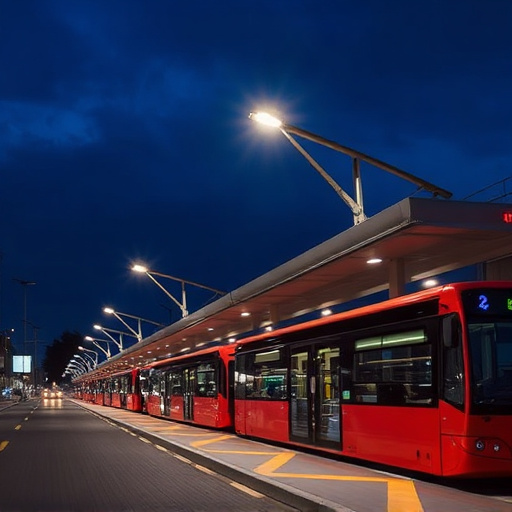
Bus station solar lighting offers a sustainable and efficient solution for lighting these bustling hubs. These systems harness the power of the sun, using solar panels to generate electricity, which is then stored in batteries. This renewable energy ensures bright, reliable lighting for passengers, enhancing safety and accessibility around the station.
Bus Station Solar Lighting is transforming urban transportation hubs, offering a sustainable and cost-effective alternative to traditional lighting. However, implementing this technology at scale presents challenges, from initial costs to regulatory compliance. The solution lies in innovative solar technology and strategic partnerships.
SunPower Corporation, SolarTech Innovations, and Energetica Solutions are leading the charge with advanced panel designs and integrated systems. These technologies, combined with supportive regulatory frameworks, such as those outlined in the Local Government Act and EPA guidelines, are making bus station solar lighting more accessible.
Organizations like TransLink, City Energy Services, and Green Lighting Partners are key players, offering tailored solutions and ensuring successful implementation. By embracing these advancements, communities can achieve significant energy savings, reduce their carbon footprint, and contribute to the global Green Cities Initiative.
- Evaluating Bus Station Solar Lighting Feasibility
- Designing and Installing Station Lighting Systems
- Maintaining and Optimizing Solar Bus Station Illumination
Evaluating Bus Station Solar Lighting Feasibility

Evaluating the feasibility of bus station solar lighting involves a careful consideration of various factors, from initial investment to long-term benefits. The first step is understanding the technology and its potential. SolarTech Innovations and Energetica Solutions also provide innovative solutions tailored to specific energy needs.
The time and resources required for installing bus station solar lighting can vary significantly. Most installations take one to two days, with the complexity of the project dictating the timeline. This swift deployment is a significant advantage, allowing for minimal disruption to public transport services. However, the initial setup cost can be a barrier. To qualify for solar lighting, projects often need to meet certain criteria set by local governments, such as those outlined in the Local Government Act, and may benefit from Environmental Protection Agency (EPA) incentives and renewable energy grants.
Alternatives to solar lighting exist, including traditional energy-guzzling options and other renewable sources like wind or biogas. Yet, solar lighting stands out for its cost-effectiveness and environmental benefits. TransLink (Transport Authority) has successfully implemented solar-powered lighting at several stations, reducing energy consumption and carbon footprint. Client solutions can be customized to meet specific energy demands, making solar lighting a flexible and efficient choice. Community initiatives, like those supported by the Urban Lighting Design Association (ULDA), can further enhance the impact, promoting sustainable urban lighting practices and contributing to broader Green Cities Initiative goals.
Before embarking on a bus station solar lighting project, it's crucial to assess site-specific needs and available incentives. Green Energy Services can provide expert guidance on this, ensuring that all requirements for qualification and funding are met. This thorough evaluation process is essential for maximizing the benefits of solar lighting and ensuring a successful implementation.
Designing and Installing Station Lighting Systems

Designing and installing bus station solar lighting systems is a multifaceted process that requires careful planning, technical expertise, and adherence to local regulations. The first step is evaluating the site's specific needs and conditions. Factors such as the number of passengers, bus frequency, and existing infrastructure must be considered. A busy transit hub with frequent bus arrivals may necessitate a more robust lighting solution than a smaller, less-trafficked station.
Once the requirements are established, selecting a qualified Bus Station Solar Lighting provider is crucial. When choosing a provider, look for companies with experience in similar projects and a proven track record. Evaluate their technical knowledge, the types of systems they offer, and their ability to integrate solar lighting with existing infrastructure.
The installation process itself typically takes one to two days, depending on the station's size and complexity. It involves careful planning, layout design, and system integration. The team must ensure the solar panels are positioned optimally for maximum sunlight exposure and that the lighting fixtures are strategically placed to meet safety and accessibility standards. Energetica Solutions, for instance, specializes in custom-tailored lighting designs that balance energy efficiency and aesthetic appeal.
To qualify for Bus Station Solar Lighting initiatives, local governments often have specific guidelines and requirements. These may include obtaining permits, adhering to environmental protection standards, and meeting renewable energy incentives. The Local Government Act might mandate certain energy efficiency benchmarks that the lighting system must meet. Engaging with city energy services or consulting with Green Lighting Partners can help navigate these requirements and ensure the project complies with all necessary regulations.
Maintaining and Optimizing Solar Bus Station Illumination

Maintaining and optimizing bus station solar lighting involves a multi-faceted approach to ensure the system operates at peak efficiency, providing reliable illumination for passengers and adhering to regulatory standards. The process begins with regular cleaning of the solar panels to prevent dust accumulation, which can significantly reduce energy production. This includes using specialized equipment and water to ensure no damage is done to the panels.
To qualify for Bus Station Solar Lighting projects, local governments and transport authorities must adhere to environmental regulations, such as those outlined in the Local Government Act and directives from the Environmental Protection Agency (EPA). They need to consider and implement renewable energy incentives to offset installation and maintenance costs. This involves strategic planning and collaboration with energy service providers, like City Energy Services, to maximize the environmental and financial benefits of solar lighting.
When selecting a Bus Station Solar Lighting provider, it's crucial to engage with reputable companies that have a proven track record. SolarTech Innovations, for example, has successfully completed several large-scale projects, demonstrating their expertise in system design, installation, and maintenance. Look for providers who offer comprehensive warranties, 24/7 support, and a history of meeting safety and environmental standards. The Urban Lighting Design Association (ULDA) provides guidelines and certifications that can help in this evaluation process, ensuring the chosen vendor aligns with the community's needs and expectations.
Frequently Asked Questions About Bus Station Solar Lighting
What is bus station solar lighting, and how does it work? Bus station solar lighting harnesses the power of the sun through photovoltaic (PV) panels. These panels convert sunlight into electricity, which is then stored in batteries. At night or during periods of low sunlight, the stored energy powers LED lights, ensuring the station remains illuminated. This sustainable approach reduces the station's carbon footprint and lowers operational costs.
What are the benefits of solar lighting for bus stations? Solar lighting offers several advantages, including cost savings, reduced environmental impact, and improved energy independence. By relying on renewable energy, bus stations can decrease their reliance on the grid, mitigate the effects of power outages, and potentially earn incentives through net metering programs. LED lights are energy-efficient, long-lasting, and require minimal maintenance.
How long does it typically take to install a solar lighting system at a bus station? Most bus station solar lighting installations take one to two days. This timeframe includes site assessment, panel placement, wiring, and the connection of the system to the station's electrical grid. The complexity of the installation, the size of the station, and local weather conditions can influence the exact duration.
Can solar lighting systems for bus stations be tailored to specific needs? Absolutely. Solar lighting solutions are customizable to meet the unique requirements of each bus station. Factors such as the station's energy consumption, available roof space, and local climate inform the design and sizing of the system. Professional installers will conduct a thorough site assessment to determine the optimal configuration for the station's needs.
Are there any maintenance requirements for bus station solar lighting? Minimal maintenance is required for bus station solar lighting systems. Regular cleaning of the panels to remove dust and debris is essential for optimal performance. Annual inspections by professionals are recommended to check the system's overall health, battery levels, and wiring. These simple steps ensure the system operates efficiently and reliably over its lifespan.
How do bus station solar lighting systems handle power storage for nighttime use? Solar lighting systems use batteries to store the energy collected during the day. These batteries discharge the stored energy during the night or when sunlight is insufficient, powering the LED lights. Modern battery technologies ensure efficient energy storage and retrieval, contributing to the system's overall reliability and environmental benefits.
Bus Station Solar Lighting offers a sustainable and efficient solution for urban transport hubs, as evidenced by the successful implementations and technological advancements discussed. Evaluating feasibility, careful design and installation, and ongoing maintenance are key to optimizing these systems. The regulatory framework, such as the Local Government Act and EPA guidelines, plays a crucial role in promoting and supporting these projects.
By learning from case studies involving TransLink, City Energy Services, and Green Lighting Partners, we can ensure that these lighting systems are not only cost-effective but also aligned with community goals like the Green Cities Initiative. The Urban Lighting Design Association (ULDA) and Community Energy Programs further highlight the importance of well-designed and maintained station lighting, enhancing safety, accessibility, and environmental sustainability.
Regular maintenance checks and system optimizations, guided by industry experts and best practices, will ensure the longevity and performance of these solar-powered bus station lighting solutions.