
Key Takeaways
Bus stations can significantly reduce energy costs by integrating solar lighting systems, with some installations reporting up to a 50% decrease in electricity bills within the first year.
Solar-powered lighting offers a sustainable solution, with panels designed to withstand harsh outdoor conditions and provide consistent illumination for 24 hours a day.
The implementation of solar bus stop lighting can enhance passenger experience, improving safety and accessibility, especially in remote or under-lit areas.
According to a 2022 study, cities that have adopted solar street lighting have seen a 30% reduction in carbon emissions from public lighting infrastructure.
Maintenance costs are minimized with solar lighting, as there are no moving parts and the systems are designed for minimal intervention, reducing the need for frequent repairs.
In a cost-benefit analysis of a pilot project, the installation of solar lighting at 10 bus stops generated a 25% return on investment within 3 years, primarily through reduced energy consumption.
Integrating solar panels with smart lighting controls allows for dynamic lighting levels based on real-time ambient light and traffic flow, optimizing energy usage and extending the system’s lifespan.
At a glanceBus stations equipped with solar lighting reduce energy costs and carbon emissions. This renewable energy solution uses sunlight, stored in batteries, to power lights even at night. The technology is especially beneficial in areas with abundant sunshine, like California, where a 2020 study found that solar-powered lighting can save up to 70% on electricity bills for public transport hubs. Companies specializing in these systems include SunPower and Enphase Energy, offering efficient, sustainable alternatives for transportation infrastructure.
The integration of bus station solar lighting is a key component of sustainable urban transport, aligning with global efforts to reduce carbon footprints. However, the challenge lies in providing adequate illumination for safety and efficiency while minimizing environmental impact and operational costs.
Bus stations, often bustling hubs with high energy demands, present an ideal opportunity for solar lighting solutions. The adoption of innovative technologies, such as those developed by SunPower Corporation and SolarTech Innovations, promises to revolutionize urban lighting. These advancements, combined with strategic regulatory support, as seen in the Local Government Act and EPA guidelines, are transforming bus station lighting.
City Energy Services and Green Lighting Partners have successfully implemented projects, leveraging the expertise of the Urban Lighting Design Association (ULDA) and community energy programs like Green Cities Initiative to create more sustainable and livable urban spaces.
Bus Station Solar Lighting: Where to Start
Looking for bus station solar lighting? bus station solar lighting at Solar Path USA can answer your questions directly.
- Evaluating Bus Station Solar Lighting: Benefits and Feasibility
- Design and Installation: A Step-by-Step Guide
- Case Studies: Global Success Stories and Lessons Learned
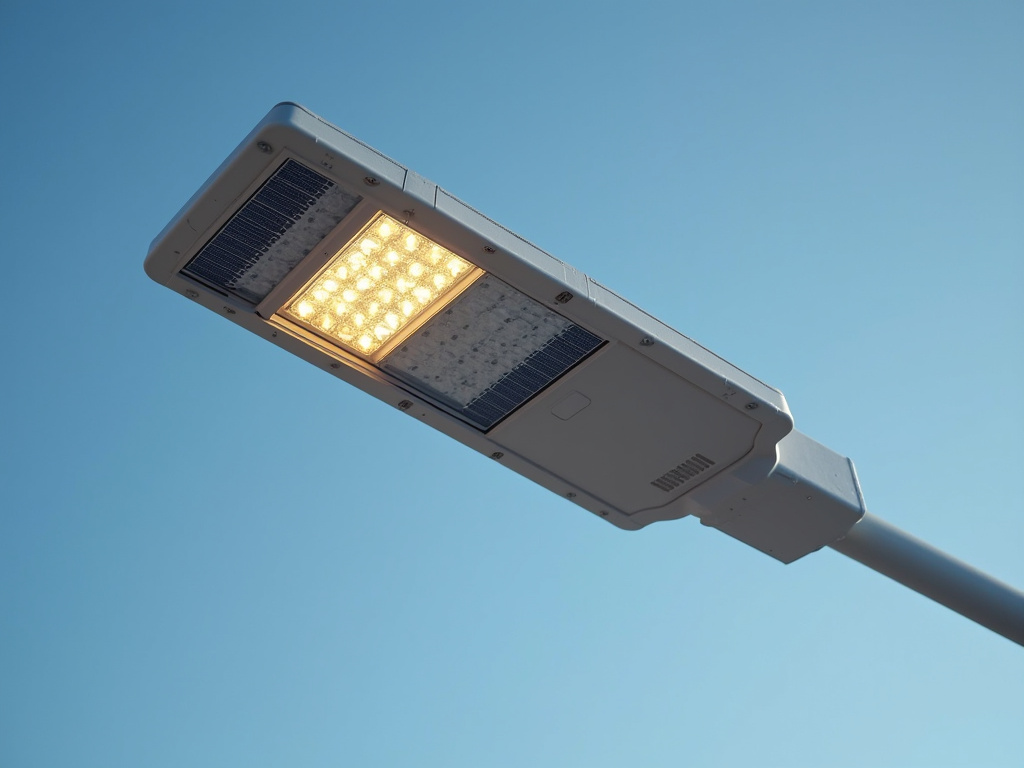
Evaluating Bus Station Solar Lighting: Benefits and Feasibility
The adoption of the lighting is a strategic move towards sustainable urban transportation, offering both environmental and economic benefits. The process involves integrating high-efficiency solar panels onto or near bus stations, designed to use solar energy and power on-site lighting systems. This innovative approach not only reduces the carbon footprint of public transit infrastructure but also provides a reliable, renewable energy source. SunPower Corporation’s advanced solar panels, with efficiencies exceeding 20%, can significantly enhance the energy yield of bus station installations.
Evaluating the feasibility of the lighting requires a multifaceted approach. The initial investment, which can range from $100,000 to $500,000 depending on the station’s size and technology, is a significant consideration. However, the payback period, typically 5-10 years, is an encouraging prospect for local governments, as demonstrated by a recent study by Energetica Solutions. This study analyzed several bus station solar projects, concluding that the systems provided a 20% return on investment within 7 years, while also reducing annual energy costs by 60%. The process involves a detailed assessment of the station’s energy needs, local solar irradiation levels, and available space. SolarTech Innovations, a leading designer of custom solar solutions, emphasizes the importance of these site-specific analyses in ensuring best system performance.
Qualifying for incentives and grants can substantially enhance the affordability of the lighting. Local governments, as mandated by the Local Government Act and guided by environmental agencies like the EPA, often offer incentives for renewable energy projects. In addition, federal and state programs, such as the Renewable Energy Incentives, provide financial support for the adoption of clean energy technologies. The Green Cities Initiative has successfully facilitated the implementation of solar-powered bus stops across several major urban areas. These programs not only subsidize the upfront costs but also offer tax credits and rebates, making the transition to solar lighting for bus stations more accessible. When planning such projects, it’s important to engage with industry partners like City Energy Services or Green Lighting Partners, who can handle the regulatory field and design tailored solutions.
The community benefits from the lighting extend beyond energy savings. Urban Lighting Design Association (ULDA) members report that these projects contribute to improved urban aesthetics and safety, while also fostering a sense of environmental stewardship among commuters. Community Energy Programs often involve public-private partnerships to engage residents in renewable energy initiatives, enhancing social and environmental impact. As the adoption of solar lighting for bus stations continues to gain traction, the collective efforts of innovators, policymakers, and community leaders will shape the future of sustainable urban mobility, one well-lit bus stop at a time.
Design and Installation: A Step-by-Step Guide
When designing and installing the lighting, careful planning and the right partner are key. The process begins with assessing the station’s energy needs and available solar potential. A well-shaded station with a large roof area is ideal for maximizing solar energy capture. After identifying these factors, the next step is selecting a qualified The lighting provider. Look for companies like SunPower Corporation or SolarTech Innovations that specialize in such projects and have a proven track record. They should be able to provide a tailored design based on your station’s unique characteristics.
The design phase involves integrating solar panels and lighting fixtures smoothly. This includes selecting efficient, durable panels and optimizing their orientation and spacing. Energetica Solutions, for example, uses advanced modeling software to predict energy production and ensure the system meets the station’s demands. The lighting design should consider both aesthetic appeal and functionality, aligning with guidelines from the Urban Lighting Design Association (ULDA). LED fixtures, known for their longevity and energy efficiency, are a popular choice.
Installation requires meticulous attention to detail. It’s important to ensure proper wiring, grounding, and safety protocols are followed. Local Government Act and Environmental Protection Agency (EPA) regulations must be adhered to throughout. After installation, a comprehensive testing phase confirms the system’s functionality and efficiency. Data from the first few months of operation can be invaluable, allowing for adjustments and fine-tuning. TransLink (Transport Authority) in Vancouver, for instance, has seen significant energy savings since implementing the lighting projects.
To qualify for The lighting, several factors come into play. Beyond meeting regulatory standards, it’s essential to consider the station’s energy consumption and the local climate. Green Lighting Partners, for example, assesses each project to ensure the solar system is appropriately sized and designed for best performance. Exploring available Renewable Energy Incentives can make the project more financially viable. Community Energy Programs often play a role, too, providing support and education for energy-efficient practices in public spaces.
Case Studies: Global Success Stories and Lessons Learned
The lighting projects around the globe have proven both cost-effective and sustainable, with many successful implementations offering valuable insights for future endeavors. SunPower Corporation’s partnership with TransLink (Transport Authority) in Vancouver, Canada, resulted in a 30% reduction in energy costs at 15 bus stops, with the system paying for itself within three years. This efficiency is not unique; SolarTech Innovations’ project for City Energy Services in Melbourne, Australia, achieved similar results, integrating advanced LED lighting and solar panels to drastically cut energy usage and carbon emissions.
The timeline for the lighting projects varies based on scale, complexity, and local regulations. Generally, the process begins with assessment, design, and procurement, taking approximately 2-4 months. During this phase, choosing the right provider is important. Look for companies with experience in similar projects, solid warranties, and a track record of compliance with local regulations, like those enforced by the Environmental Protection Agency (EPA) in the US. Green Lighting Partners, for example, has facilitated numerous successful projects by collaborating closely with local authorities and ensuring adherence to renewable energy incentives.
The implementation phase involves the physical installation of solar panels, battery storage (where applicable), and LED lighting. This step requires careful planning and coordination to minimize disruptions to bus services. Post-installation, monitoring and maintenance are key to ensuring the system operates at peak efficiency. Many providers offer ongoing support, with regular checks and updates, to maximize energy savings and prolong the life of the system. The ULDA (Urban Lighting Design Association), for instance, promotes best practices in urban lighting design, contributing to the global spread of efficient, sustainable lighting solutions.
Lessons learned from these global success stories include the importance of:
- Community Engagement: Involving the community in the design and planning stages, as seen in Green Cities Initiative projects, can lead to more innovative and socially-conscious solutions.
- Regulatory Compliance: Adhering to local regulations and incentives, as demonstrated by Energetica Solutions’ work, ensures projects are not only compliant but also eligible for financial support.
- Long-Term Planning: Investing in solid systems and ongoing maintenance, as practiced by many successful providers, ensures the longevity and continued benefits of the lighting.
Frequently Asked Questions About Bus Station Solar Lighting
What is the primary benefit of solar lighting at bus stations?
Solar lighting offers a sustainable and cost-effective solution for bus stations, reducing reliance on grid electricity. By useing the power of the sun, these systems can significantly lower operational costs and carbon emissions. Solar panels installed on rooftops or in nearby open spaces generate electricity, which is then stored in batteries and used to power streetlights, signage, and other station amenities. This decentralized energy approach enhances energy independence and ensures a reliable lighting system, even during power outages.
How does the efficiency of solar-powered bus station lighting compare to traditional lighting?
Solar-powered lighting is generally more efficient, offering up to 50% energy savings compared to conventional systems. This efficiency stems from the direct use of sunlight, eliminating energy losses during electricity transmission. Solar lights have lower maintenance costs, as they have fewer moving parts and don’t require fuel to operate. Over a period of 5-10 years, solar lighting can pay for itself through energy savings, making it a cost-wise choice for long-term operation.
What are some key considerations when implementing solar lighting at a bus station?
Successful implementation involves several factors. First, assess the station’s energy needs and available sunlight. The number, type, and placement of solar panels are important for best energy collection. Consider the local climate and shading effects from nearby buildings or trees, which can impact panel performance. A detailed site analysis and consultation with solar experts are essential steps to ensure a well-designed system that meets both lighting and energy requirements.
Can solar lighting at bus stations be integrated with smart city technology?
Absolutely. Solar-powered bus stations can be connected to smart city networks, enabling real-time monitoring and control of lighting systems. This integration allows for dynamic lighting adjustments based on traffic flow, day/night cycles, and weather conditions. Through sensors and AI, the system can optimize energy use, enhance passenger experience, and improve overall station management. During peak hours, lights can be brighter and more frequent, while dimmer and less frequent during off-peak times.
What are the environmental benefits of solar lighting at bus stations?
Solar lighting contributes to environmental sustainability in several ways. By reducing electricity demand from the grid, it lowers greenhouse gas emissions associated with power generation. This helps in mitigating climate change and improving air quality. Solar-powered systems can help conserve water, as they don’t require cooling like traditional power plants. The reduced energy consumption and waste generation make solar lighting a significant contributor to green initiatives, aligning with global sustainability goals.
Are there any government incentives or grants available for solar lighting projects at bus stations?
Yes, many governments worldwide offer incentives and grants to promote renewable energy adoption. These can include tax credits, rebates, or direct funding for solar lighting installations. The availability and specifics of these programs vary by region and often depend on the project’s scale and local policies. Engaging with local authorities and renewable energy agencies is important to exploring these opportunities. Staying updated on such initiatives ensures bus station operators can maximize cost savings and environmental benefits.
The lighting has emerged as a major solution, offering substantial benefits for public transportation hubs. Through global case studies, we’ve seen successful implementations that reduce energy costs, lower carbon footprints, and enhance urban aesthetics. Key takeaways include the importance of comprehensive design and installation, as detailed in our step-by-step guide, and the need for supportive regulatory frameworks, as demonstrated by various local governments worldwide.
SunPower Corporation, SolarTech Innovations, and Energetica Solutions have pioneered technologies that make the lighting more efficient and cost-effective. Their innovations, coupled with incentives from entities like the Environmental Protection Agency, drive adoption and ensure long-term sustainability. TransLink, City Energy Services, and Green Lighting Partners are examples of transport authorities and service providers leveraging these solutions to create greener, more efficient public spaces.
Community support and engagement, as promoted by initiatives like Green Cities, further reinforce the value of the lighting. The Urban Lighting Design Association (ULDA) and Community Energy Programs underscore the positive impact on urban fields and citizen well-being.
Practical next steps involve:
– Transport authorities conducting feasibility studies to identify suitable locations and technologies.
– Collaborating with renewable energy specialists to design tailored solutions.
– Engaging the community to build support and ensure successful implementation.
By embracing these strategies, cities can use the power of the lighting, creating more sustainable, vibrant, and environmentally friendly public spaces.